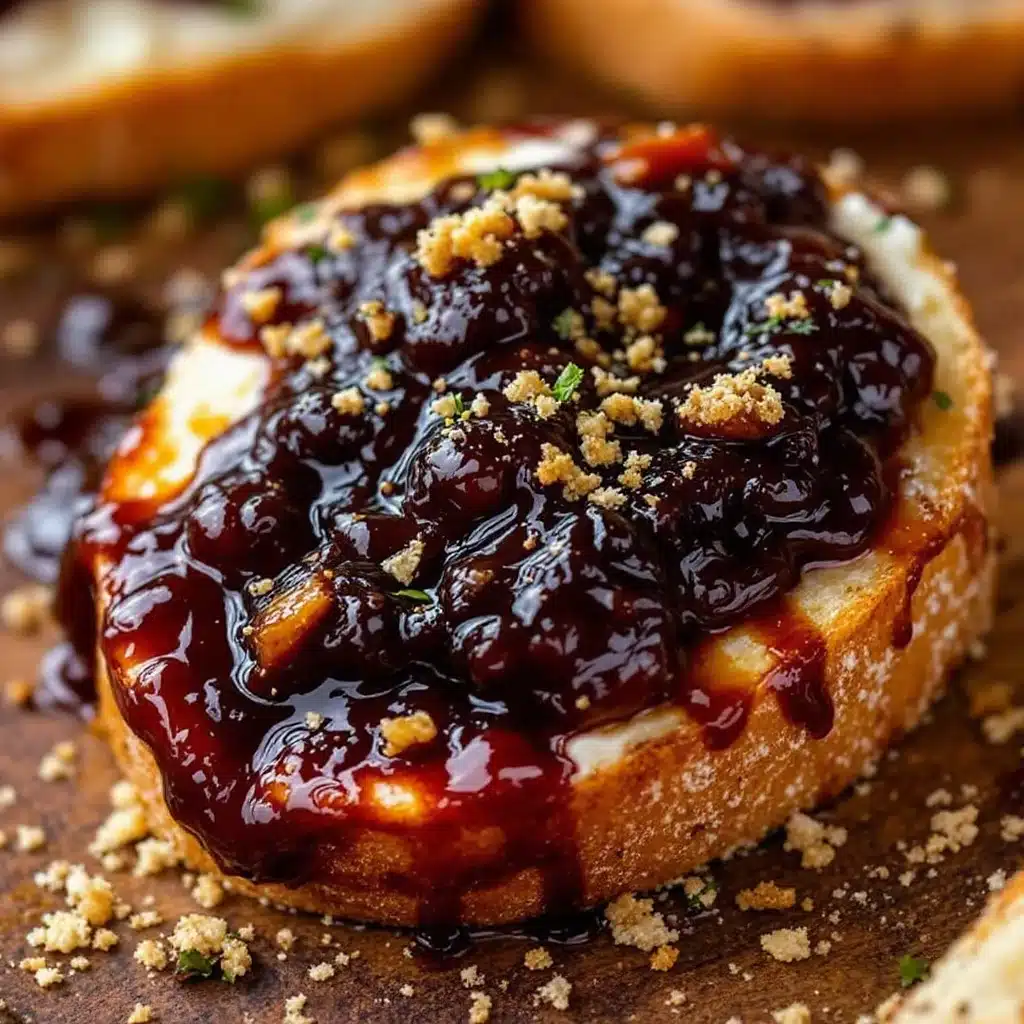
My friend Jenna handed me a jar of fig jam at a housewarming party three years ago and said, “Just try it on a cracker with some cheese.” I nodded politely, set it down, and forgot about it for two hours. I was busy with the shrimp cocktail platter and honestly, fig jam felt a little too fancy for my taste. I’m a savory girl through and through—give me a sharp cheddar or a hunk of salami any day. Sweet jams always seemed like they belonged on toast for breakfast, not on my charcuterie board.
But later that night, after everyone left, I found the jar sitting on the counter. Out of curiosity—and maybe a little hunger—I grabbed a spoon. One bite and I stopped cold. It wasn’t just sweet. It was tangy, earthy, and had this subtle warmth that made me grab a piece of baguette from the fridge. I stood in my kitchen at midnight, eating fig jam and goat cheese like it was my job.
That moment changed how I think about condiments. I started experimenting with my own version almost immediately, and after a few burned batches and one particularly disastrous attempt with too much balsamic (lesson learned), I landed on this recipe. This savory honey balsamic fig and goat cheese jam is the one I now keep stocked in my fridge year-round. It’s the kind of thing you don’t know you need until you taste it. Then you can’t imagine life without it.
Why You’ll Love This Recipe
This isn’t your average fruit jam. It walks that perfect line between sweet and savory, and it does it without trying too hard. Here’s why it’s become my go-to for everything from lazy Sunday snacks to holiday entertaining.
- Quick & Easy: Comes together in under 30 minutes, most of which is hands-off simmering. Perfect for last-minute gatherings or a weekday treat.
- Simple Ingredients: Dried figs, balsamic vinegar, honey, goat cheese, and a few pantry staples. No weird stuff you’ll never use again.
- Perfect for Entertaining: This jam turns a simple cheese board into something memorable. It pairs beautifully with the bacon wrapped dates stuffed with creamy goat cheese I also love making for parties.
- Crowd-Pleaser: I’ve served this to kids, grandparents, and my picky uncle who “doesn’t do sweet stuff.” Everyone goes back for seconds.
- Unbelievably Delicious: The combination of honeyed figs, tangy balsamic, and creamy goat cheese creates this layered flavor that’s honestly addictive.
What makes this recipe different from the dozens of fig jams out there is the balance. Most are either too sweet or too vinegary. This one uses a precise ratio of honey to balsamic that lets the fig flavor shine without overpowering anything. I tested it six times before I got it right, and I’m telling you—this is the version worth making.
It’s the kind of recipe that makes you feel like you’ve discovered a secret. You’ll find yourself putting it on everything, and you won’t be sorry.
What Ingredients You Will Need
This recipe uses simple, wholesome ingredients that work together to create something surprisingly complex. Most of these are pantry staples or easy to find at any grocery store.
- Dried Mission figs (8 ounces) – These are the dark, sticky figs with deep purple-black skin. They have a richer, almost caramel-like flavor compared to Calimyrna figs. I prefer them for this recipe because they hold their shape well during cooking and provide a natural sweetness that doesn’t need much help. If you can only find Calimyrna, they’ll work too—just know the flavor will be slightly milder.
- Balsamic vinegar (¼ cup) – Use a good quality one here, but you don’t need the expensive aged stuff. A mid-range balsamic with a nice balance of sweet and tangy works perfectly. I’ve tried this with cheap vinegar and the flavor was harsh, so don’t skimp too much.
- Honey (3 tablespoons) – Local honey is my go-to for its floral notes, but any liquid honey works. If your honey is crystallized, warm it up slightly before measuring. The honey adds sweetness that complements the figs without making the jam cloying.
- Goat cheese (4 ounces, crumbled) – Use a fresh, soft goat cheese log for best results. The creaminess cuts through the acidity of the balsamic and the sweetness of the honey. I like the one from Vermont Creamery, but any brand works. Make sure it’s at room temperature when you stir it in so it melts smoothly.
- Fresh rosemary (1 teaspoon, finely chopped) – This is my secret ingredient. Rosemary adds an earthy, almost piney note that ties everything together. Don’t skip it—it makes the jam taste like something you’d get at a fancy farmers market.
- Shallot (1 medium, finely diced) – Adds a mild oniony depth that balances the sweetness. Cook it until soft and translucent before adding the figs.
- Butter (1 tablespoon) – Unsalted, for sautéing the shallot. It adds richness and helps the flavors meld.
- Salt (¼ teaspoon) – A pinch of flaky sea salt at the end brightens everything up. I like Maldon for this.
- Black pepper (⅛ teaspoon, freshly ground) – Just a touch for background warmth.
For serving (optional but recommended):
- Baguette slices or crackers
- Extra crumbled goat cheese for topping
- A drizzle of honey
- Fresh thyme or rosemary sprigs for garnish
Equipment Needed
You don’t need a fancy kitchen for this recipe. Here’s what I use:
- Medium saucepan – A heavy-bottomed one works best for even heat distribution. I use my trusty 2-quart stainless steel pan.
- Sharp knife and cutting board – For chopping figs, shallots, and rosemary. A dull knife will just crush the soft figs.
- Wooden spoon or silicone spatula – For stirring. Wood doesn’t scratch your pan and feels nice in your hand.
- Measuring cups and spoons – Accuracy matters here, especially with the balsamic and honey.
- Small bowl – For crumbling the goat cheese before adding it.
- Glass jar or airtight container – For storing the finished jam. A 12-ounce jar works perfectly.
If you don’t have a heavy-bottomed saucepan, just keep an eye on the heat and stir frequently. I’ve made this in a thin nonstick pan before and it worked fine, I just had to stir more often to prevent sticking.
Preparation Method
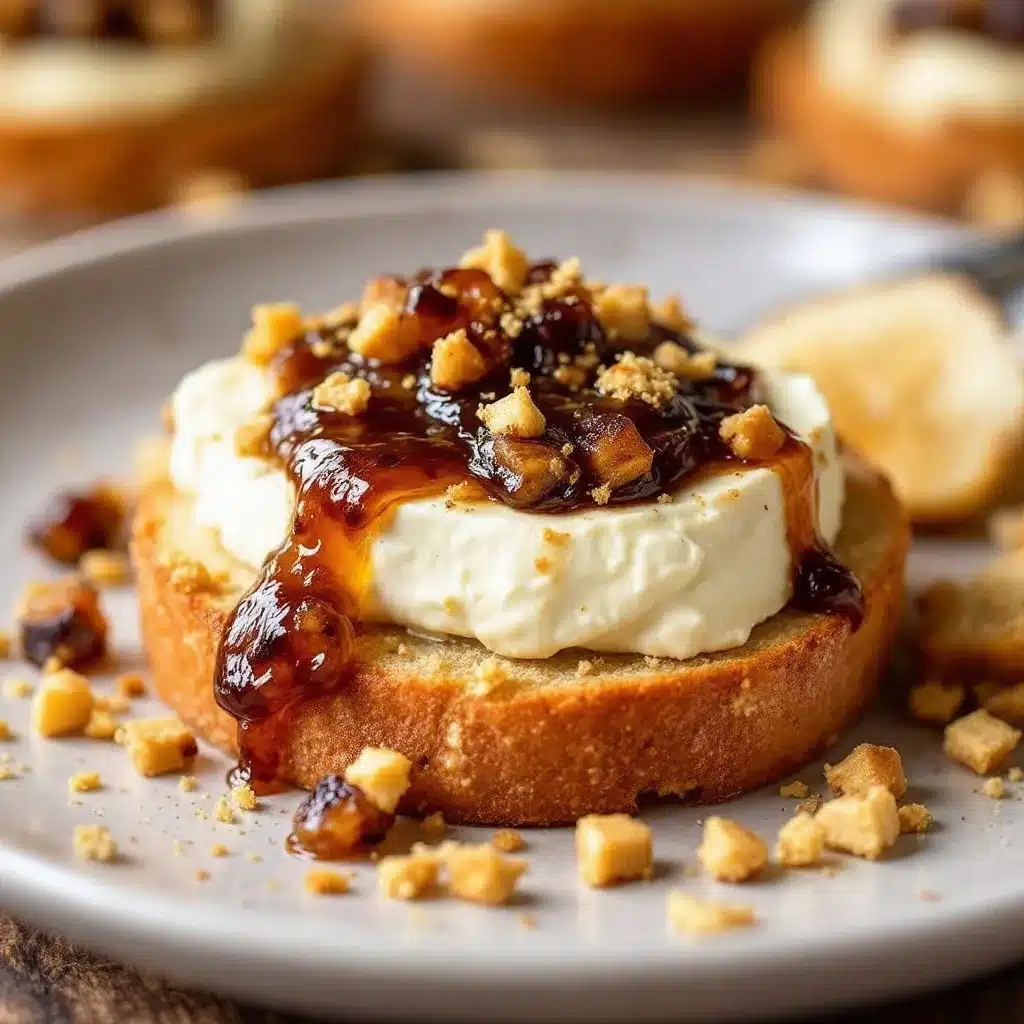
- Prep the figs (5 minutes) – Start by trimming off the tough stems from the dried figs. They’re usually pretty hard, so use a sharp knife. Then chop the figs into small, uniform pieces—about ¼-inch chunks. Don’t skip this step. If you leave them too big, they won’t break down properly during cooking. I learned this the hard way when I ended up with fig chunks floating in a thin syrup instead of a cohesive jam.
- Sauté the shallot (3 minutes) – Place your saucepan over medium heat and add the butter. Once it melts and starts to foam, toss in the diced shallot. Cook for about 2-3 minutes, stirring occasionally, until the shallot turns soft and translucent. You want it fragrant but not brown. If it starts to color, turn the heat down a notch.
- Add the figs and liquids (2 minutes) – Stir in the chopped figs, balsamic vinegar, honey, and chopped rosemary. Give everything a good stir so the figs are coated in that gorgeous dark liquid. The smell at this point is incredible—sweet, tangy, and woodsy all at once.
- Simmer the jam (15-18 minutes) – Bring the mixture to a gentle simmer, then reduce the heat to low. Let it cook uncovered, stirring every few minutes to prevent sticking. You’ll notice the liquid thickening and the figs breaking down into a jammy consistency. After about 10 minutes, start checking the texture. You want it thick enough that it holds its shape on a spoon but still has some visible fig pieces. If it looks too thin, let it go another 3-5 minutes. If it’s too thick, add a tablespoon of water and stir.
- Season and cool (5 minutes) – Remove the pan from the heat. Stir in the salt and black pepper, then let the jam cool for about 5 minutes. This is important because if you add the goat cheese while the jam is still piping hot, it will melt into a puddle instead of staying creamy and distinct.
- Fold in the goat cheese (2 minutes) – Once the jam has cooled slightly, gently fold in the crumbled goat cheese. You want it to melt just a little into the warm jam, creating creamy ribbons throughout. Don’t overmix—you want pockets of cheese, not a uniform paste. If you like a stronger goat cheese flavor, add an extra ounce.
- Cool completely (30 minutes) – Transfer the jam to your glass jar or container and let it cool to room temperature. It will continue to thicken as it cools. Once cool, cover and refrigerate. The flavors actually get better after a day or two in the fridge, so don’t be shy about making this ahead.
Pro tip: If you want a smoother jam, you can pulse the cooked fig mixture in a food processor before adding the goat cheese. I prefer mine chunky, but it’s your call.
Cooking Tips & Techniques
I’ve made this jam more times than I can count, and I’ve definitely messed it up along the way. Here are the things I wish someone had told me.
Watch your heat – Balsamic vinegar burns faster than you think. If your heat is too high, the sugars in the honey and vinegar will caramelize too quickly and turn bitter. Keep it at a gentle simmer, not a rolling boil. I ruined my first batch by walking away for five minutes and coming back to a burnt, acrid mess. The kitchen smelled terrible for days.
Don’t skip the rosemary – I know it sounds weird, but trust me on this. The rosemary cuts through the sweetness in a way that makes the jam taste sophisticated, not like dessert. I once made a batch without it because I was out, and it was fine—but it was missing that little something that makes people ask, “What’s in this?”
Room temperature goat cheese is key – Cold goat cheese straight from the fridge won’t blend smoothly into the warm jam. You’ll end up with cold lumps. Let it sit on the counter for 15-20 minutes before you crumble it in. If you forget, just microwave it for 10 seconds to take the chill off.
Use dried figs, not fresh – Fresh figs are beautiful and delicious, but they’re too watery for this recipe. They’ll release too much liquid during cooking and you’ll end up with fig soup instead of jam. Dried figs concentrate the flavor and give you that perfect jammy texture.
Timing is flexible – The simmering time can vary based on your pan, your stove, and even the humidity in your kitchen. Start checking at the 12-minute mark and go from there. The jam should look glossy and thick, with the liquid reduced by about half.
Variations & Adaptations
One of the best things about this recipe is how easy it is to tweak. Here are some variations I’ve tried and loved.
Vegan version – Swap the butter for coconut oil or a vegan butter alternative. Use a plant-based cream cheese or cashew cheese instead of goat cheese. The texture will be slightly different, but the flavor still shines. I made this for a vegan friend’s dinner party and it disappeared faster than the regular version.
Spicy fig jam – Add ½ teaspoon of red pepper flakes along with the rosemary. The heat plays beautifully with the sweetness and tang. I love this version on a cheese board with aged cheddar or manchego.
Herb swap – If rosemary isn’t your thing, try fresh thyme instead. Use 1 teaspoon of thyme leaves, finely chopped. It gives the jam a more delicate, almost floral note. I’ve also used fresh sage in the fall, and it’s fantastic with roasted pork.
Balsamic intensity – If you love balsamic vinegar, use a balsamic reduction or glaze instead of regular balsamic. It’s thicker and sweeter, so you’ll only need about 3 tablespoons. Just be careful not to add too much honey since the reduction is already sweet.
Nutty addition – Stir in ¼ cup of toasted walnuts or pecans after you fold in the goat cheese. The crunch adds a nice contrast to the creamy jam. I do this when I’m serving the jam on crostini for a party.
Low-sugar option – Reduce the honey to 1 tablespoon and rely on the natural sweetness of the figs. The jam will be less sweet and more tangy, which some people prefer. My mom actually likes this version better than the original.
Serving & Storage Suggestions
This jam is ridiculously versatile. Here’s how I use it.
Serving temperature – Serve at room temperature for the best flavor and spreadability. If it’s been in the fridge, let it sit out for 15-20 minutes before serving. Cold jam is fine, but the flavors really open up when it’s not chilled.
Classic pairings – Spread it on crusty baguette slices with extra crumbled goat cheese. It’s also incredible on crackers with sharp cheddar or brie. For a quick appetizer, top crostini with the jam, a dollop of ricotta, and a drizzle of honey.
Beyond the cheese board – I use this jam as a glaze for roasted pork tenderloin or chicken thighs. Just brush it on during the last 10 minutes of cooking. It also works beautifully as a topping for grilled cheese sandwiches—try it with fontina and arugula. And honestly? It’s amazing straight from the jar with a spoon. No judgment here.
Storage – Keep the jam in an airtight container in the refrigerator for up to 2 weeks. The flavors actually deepen after a day or two, so don’t be afraid to make it ahead. If you want to keep it longer, you can freeze it for up to 3 months. Just thaw it in the fridge overnight and stir well before serving.
Reheating – If the jam thickens too much in the fridge, microwave it for 10-15 seconds or let it sit at room temperature for 20 minutes. Stir it well to redistribute the goat cheese.
Nutritional Information & Benefits
Here’s the rough nutritional breakdown for a 2-tablespoon serving of this jam (without the bread or crackers).
| Nutrient | Amount per serving |
|---|---|
| Calories | 85 |
| Total Fat | 3g |
| Saturated Fat | 2g |
| Cholesterol | 8mg |
| Sodium | 95mg |
| Total Carbohydrates | 14g |
| Dietary Fiber | 2g |
| Sugars | 11g |
| Protein | 2g |
Figs are a great source of dietary fiber, which supports digestion and helps you feel full longer. They also contain potassium, calcium, and magnesium. Goat cheese is easier to digest than cow’s milk cheese for many people and provides protein and healthy fats. Honey adds antioxidants and natural sweetness without refined sugar. Balsamic vinegar has been linked to improved heart health and blood sugar regulation.
This jam is naturally gluten-free and can be made dairy-free with the substitutions mentioned above. If you’re watching your sugar intake, the low-sugar variation works well.
Conclusion
This savory honey balsamic fig and goat cheese jam is one of those recipes that looks fancy but is secretly simple. It’s the kind of thing that makes people think you spent hours in the kitchen when really, you just let a saucepan do the work. I love how it transforms a basic cheese board into something special, and I love even more that it’s made with ingredients I usually have on hand.
If you try this recipe, I’d love to hear how it turns out. Did you add extra rosemary? Serve it with something unexpected? Leave a comment below and let me know your favorite way to use it. And if you’re looking for more easy appetizer ideas, don’t miss the bacon wrapped dates I mentioned earlier—they pair perfectly with this jam.
Go ahead, make a batch. Your cheese board will thank you.
Frequently Asked Questions
Can I use fresh figs instead of dried?
I don’t recommend it. Fresh figs have too much water content and won’t give you that thick, jammy texture. You’ll end up with a watery mixture that never sets properly. Stick with dried Mission figs for the best results.
How long does this jam last in the fridge?
Stored in an airtight container, it stays good for up to 2 weeks. The flavors actually get better after a day or two. If you see any mold or off smells, toss it—but I’ve never had that happen because it always gets eaten too fast.
Can I freeze this jam?
Yes! Freeze it in a freezer-safe container for up to 3 months. Thaw it in the fridge overnight and stir well before serving. The texture might be slightly softer after freezing, but the flavor stays great.
What if I don’t have fresh rosemary?
Dried rosemary works in a pinch, but use half the amount since dried herbs are more concentrated. Crush it between your fingers before adding to release the oils. Thyme is also a good substitute if you prefer a milder flavor.
Is this jam spicy?
Not at all. The rosemary adds warmth, but it’s not spicy. If you want heat, add red pepper flakes as mentioned in the variations section. Otherwise, it’s a mild, balanced jam that even kids enjoy.
Pin This Recipe!
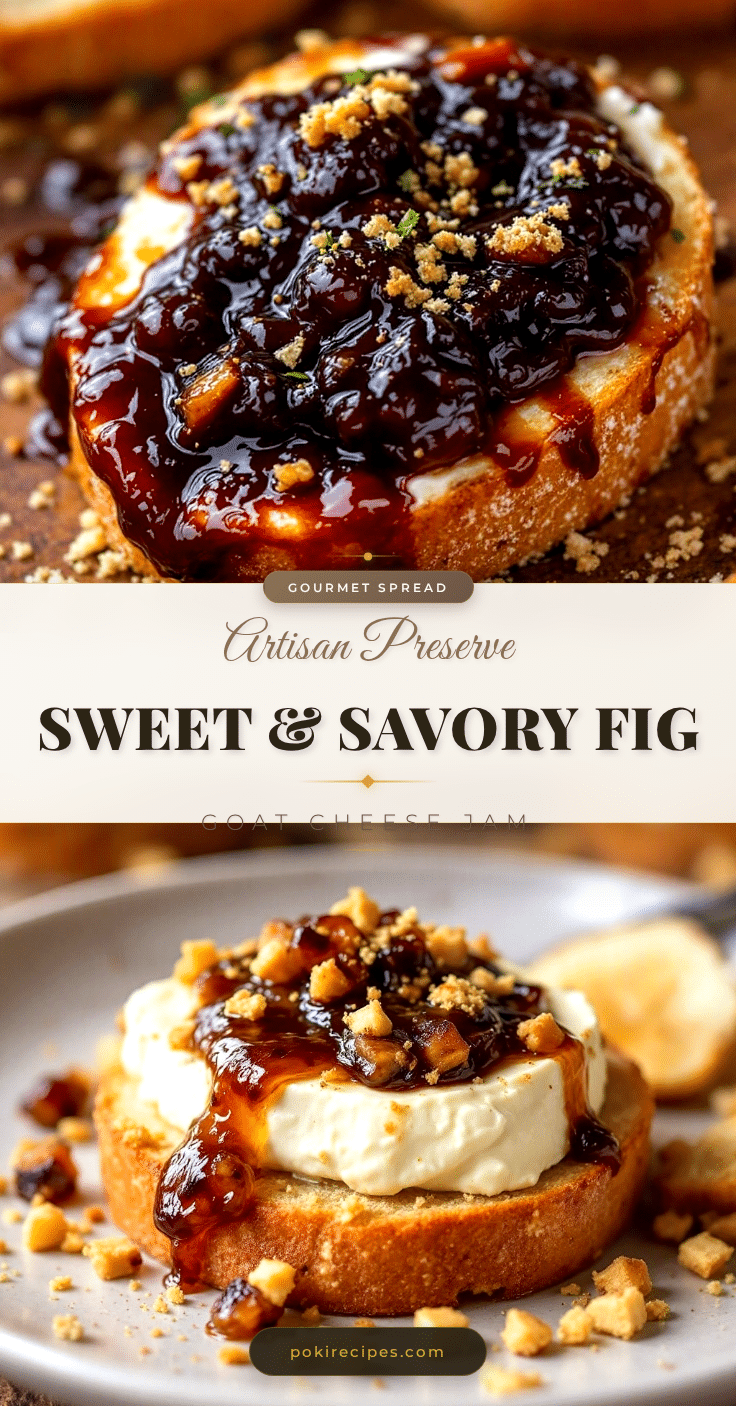
Savory Honey Balsamic Fig and Goat Cheese Jam

This savory honey balsamic fig and goat cheese jam is the perfect balance of sweet and tangy, with earthy rosemary and creamy goat cheese. It’s quick to make, uses simple ingredients, and transforms any cheese board into something memorable.
- Prep Time: 10 minutes
- Cook Time: 20 minutes
- Total Time: 30 minutes
- Yield: 12 servings 1x
- Category: Condiment
- Cuisine: American
Ingredients
- 8 ounces dried Mission figs
- 1/4 cup balsamic vinegar
- 3 tablespoons honey
- 4 ounces fresh goat cheese, crumbled
- 1 teaspoon fresh rosemary, finely chopped
- 1 medium shallot, finely diced
- 1 tablespoon unsalted butter
- 1/4 teaspoon salt
- 1/8 teaspoon freshly ground black pepper
Instructions
- Trim the tough stems from the dried figs and chop them into small, uniform pieces (about 1/4-inch chunks).
- Place a medium saucepan over medium heat and add the butter. Once melted and foamy, add the diced shallot and cook for 2-3 minutes until soft and translucent.
- Stir in the chopped figs, balsamic vinegar, honey, and chopped rosemary. Mix well to coat the figs.
- Bring the mixture to a gentle simmer, then reduce heat to low. Cook uncovered for 15-18 minutes, stirring every few minutes, until the liquid thickens and the figs break down into a jammy consistency. The jam should hold its shape on a spoon but still have some visible fig pieces.
- Remove the pan from heat. Stir in the salt and black pepper, then let the jam cool for about 5 minutes.
- Once slightly cooled, gently fold in the crumbled goat cheese until it creates creamy ribbons throughout. Do not overmix.
- Transfer the jam to a glass jar or airtight container and let it cool completely to room temperature (about 30 minutes). Cover and refrigerate. Flavors improve after a day or two.
Notes
Use dried Mission figs for best results; fresh figs are too watery. Let goat cheese come to room temperature before adding for smooth blending. The jam can be stored in the refrigerator for up to 2 weeks or frozen for up to 3 months. For a smoother jam, pulse the cooked fig mixture in a food processor before adding goat cheese.
Nutrition
- Serving Size: 2 tablespoons
- Calories: 85
- Sugar: 11
- Sodium: 95
- Fat: 3
- Saturated Fat: 2
- Carbohydrates: 14
- Fiber: 2
- Protein: 2
Keywords: fig jam, goat cheese jam, honey balsamic, savory jam, appetizer, cheese board, easy homemade