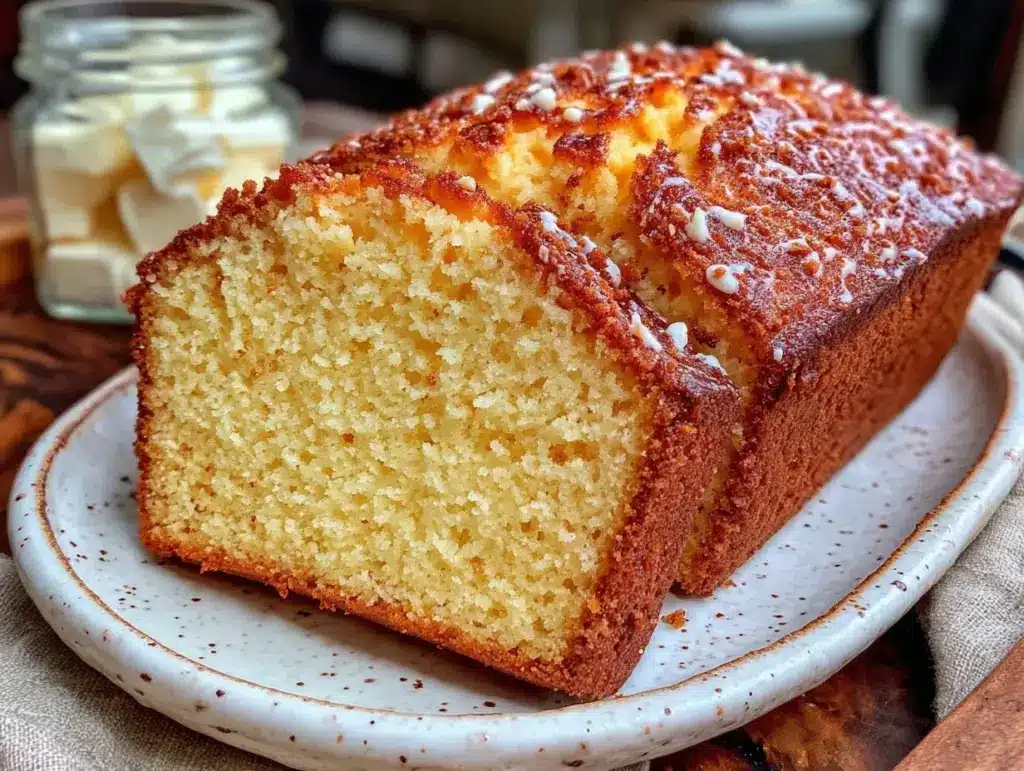
“You sure this is just vanilla?” my friend asked after the first bite, eyebrows raised with a mix of surprise and suspicion. Honestly, I was half-worried myself when I first tried this recipe—vanilla pound cake, plain and simple, how special could it really be? But there I was, standing in my kitchen on a quiet Sunday afternoon, the sweet, buttery scent wafting through the air, the golden crust just right, and a slice practically melting in my mouth.
This classic homemade vanilla pound cake wasn’t planned; it came from a last-minute idea to use up some extra eggs and butter before they went bad. You know how that goes—sometimes the best recipes pop up from necessity rather than fancy intentions. I’d been skeptical, expecting a dry, dense loaf, but the crumb turned out so moist and tender that I found myself cutting slice after slice, almost forgetting to save some for later. It quickly became the kind of cake that friends started asking about whenever I hosted, and even my picky eater nephew gave it a thumbs-up (which is no small feat).
What stuck with me is how this pound cake manages to be both humble and impressive. It’s the kind of dessert that doesn’t need flashy toppings or complicated steps to bring comfort. The vanilla notes are pure and inviting, and the texture is just right—soft without being crumbly, with a crust that offers a gentle contrast. It’s perfect for those moments when you just want something straightforward but satisfying, whether it’s paired with a cup of tea or served alongside fresh berries for a simple treat.
Looking back, I realize it’s the kind of recipe that feels like a quiet hug on a plate—reliable, warm, and just a little bit nostalgic. And honestly, that’s why it’s stayed in my regular rotation. Sometimes, you don’t need anything fancy, just the kind of vanilla pound cake that feels like home.
Why You’ll Love This Recipe
After making this classic homemade vanilla pound cake dozens of times, I can say it’s a recipe that just works—no fuss, no weird ingredients, just pure vanilla goodness. I tested it over several weeks, tweaking the baking time and butter quality to get that perfect moist, tender crumb that everyone raves about. It’s also family-approved, which is a huge win in my book.
- Quick & Easy: Comes together in about 15 minutes of prep time and bakes in under an hour, making it great for when you want homemade without the wait.
- Simple Ingredients: Uses pantry staples like butter, sugar, eggs, and vanilla extract—no need for fancy shopping trips.
- Perfect for Any Occasion: Whether it’s a casual afternoon snack, a cozy weekend breakfast, or a sweet finish to dinner, this pound cake fits right in.
- Crowd-Pleaser: Both kids and adults love it, and it’s a great dessert to bring to gatherings or share with neighbors.
- Unbelievably Delicious: The key here is the classic creaming method and high-quality vanilla, which creates a tender crumb and that signature buttery flavor.
This isn’t just any vanilla pound cake—it’s the one that balances richness without heaviness. I recommend using real vanilla bean paste or a good pure vanilla extract like Nielsen-Massey for the best flavor. Plus, the technique of beating the butter and sugar until fluffy makes all the difference, giving it that soft crumb rather than a dense brick.
It’s the kind of cake that makes you close your eyes after the first bite and say, “Yep, this is exactly what I wanted.” If you’ve ever enjoyed recipes like the fluffy Japanese souffle pancakes or the creamy richness of Gordon Ramsay’s soft scrambled eggs, this pound cake offers that same kind of comfort and satisfaction in cake form.
What Ingredients You Will Need
This classic vanilla pound cake keeps things straightforward with ingredients you likely have on hand. Each plays a role in creating that moist, tender crumb and rich vanilla flavor without any fuss.
- Unsalted Butter, softened (about 1 cup / 227 g) – The foundation for richness and moisture. Use a good-quality brand like Kerrygold if you can.
- Granulated Sugar (1 ½ cups / 300 g) – Provides sweetness and helps create a light texture when creamed with butter.
- Large Eggs, room temperature (4 eggs) – Eggs bind everything together and add structure. Room temp eggs mix better for a smooth batter.
- All-Purpose Flour (2 cups / 250 g) – The main dry ingredient. For a slightly lighter cake, you can sift it beforehand.
- Baking Powder (1 ½ teaspoons) – Gives just enough lift without making the cake cakey or airy.
- Salt (½ teaspoon) – Balances sweetness and enhances flavor.
- Pure Vanilla Extract (2 teaspoons) – The star of the show. I love Nielsen-Massey or homemade vanilla bean paste for a deeper vanilla aroma.
- Whole Milk (½ cup / 120 ml), room temperature – Adds moisture and tenderness to the crumb.
Optional ingredients or substitutions:
- Use almond milk or oat milk for a dairy-free option.
- Swap all-purpose flour for gluten-free flour blend if needed, but results may be slightly denser.
- Add a tablespoon of lemon zest or orange zest for a subtle citrus note if you want a twist.
Keep your butter at the right softness—not melted, just soft enough to cream properly. That’s a little trick I learned after some early batches turned out too dense. Also, using room temperature eggs helps the batter come together smoothly without lumps.
Equipment Needed
- 9×5 inch (23×13 cm) loaf pan: This size gives the classic pound cake shape and ensures even baking. If you don’t have one, a 8×4 inch pan can work but adjust baking time slightly.
- Electric mixer: Stand or hand mixer makes creaming butter and sugar easier and helps achieve a light batter.
- Mixing bowls: One large bowl for dry ingredients and another for wet.
- Measuring cups and spoons: Accurate measurements are crucial for baking success.
- Rubber spatula: For scraping down the bowl and folding flour gently.
- Cooling rack: Allows the cake to cool evenly and prevents sogginess.
For those on a budget, a simple hand mixer works perfectly fine—you don’t need fancy equipment. I’ve used both stand mixers and hand mixers with equally good results. Just be sure to cream the butter and sugar long enough; it’s the key step for that tender crumb.
Preparation Method
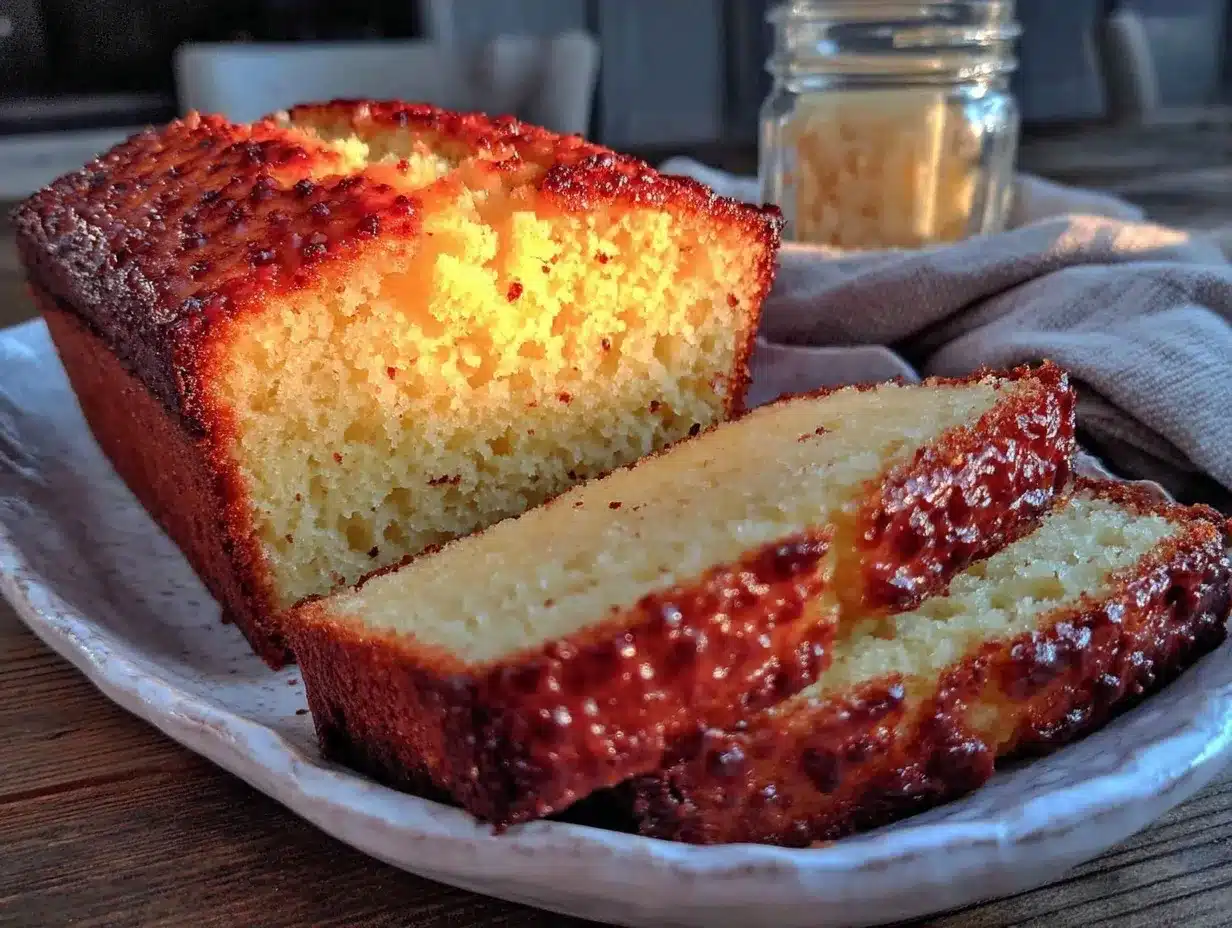
- Preheat your oven to 350°F (175°C). Grease your loaf pan well with butter or non-stick spray, then lightly dust with flour or line it with parchment paper. This step helps the cake release easily after baking.
- Cream the butter and sugar: In a large bowl, beat the softened butter and granulated sugar together on medium speed for about 4-5 minutes until the mixture becomes pale, fluffy, and light. This process traps air, which helps the cake rise and keeps it tender. If you rush this, your cake might turn out dense.
- Add the eggs: Crack in the eggs one at a time, mixing well between each addition. This gradual incorporation helps prevent the batter from curdling. The batter should look smooth and creamy at this stage.
- Mix dry ingredients: In a separate bowl, whisk together flour, baking powder, and salt. Sifting is optional but recommended for a lighter texture and to avoid clumps.
- Combine wet and dry: Alternately add the dry ingredients and milk to the butter mixture, beginning and ending with the dry. So, add about one-third of the flour mixture, then half the milk, then flour again, then the rest of the milk, and finish with the flour. Mix on low speed after each addition just until combined. Over-mixing can make the cake tough.
- Stir in vanilla extract: Gently fold in the vanilla extract with a spatula, making sure it’s evenly distributed without overworking the batter.
- Pour batter into pan: Scrape the batter into your prepared loaf pan, smoothing the top with a spatula to ensure even baking.
- Bake: Place the pan in the center of your preheated oven and bake for 55-65 minutes. Start checking around 50 minutes by inserting a toothpick in the center—it should come out clean or with a few moist crumbs attached.
- Cool: Let the cake cool in the pan for about 15 minutes before transferring it to a wire rack. This prevents the bottom from getting soggy and helps the cake set perfectly.
- Slice and enjoy: Once fully cool, slice with a serrated knife. Serve plain, dusted with powdered sugar, or alongside fresh fruit or a scoop of ice cream for a simple treat.
Pro tip: Don’t open the oven door too often while baking—that sudden temperature change can cause the cake to sink. Also, if you notice the top browning too fast, tent it loosely with foil halfway through baking.
Cooking Tips & Techniques
Creaming the butter and sugar is where this recipe makes all the difference. I’ve learned that rushing this step leads to a dense cake. It’s worth the few extra minutes to get a fluffy batter that traps air and results in that tender crumb you’re after.
Another tip: always use room temperature ingredients. Cold eggs or milk can cause the batter to seize up or mix unevenly. I keep my eggs out for about 30 minutes before baking, and I warm milk slightly if it’s straight from the fridge.
Baking time can vary depending on your oven’s quirks and the pan you use. Keep an eye on the toothpick test starting at 50 minutes. If you overbake, the cake dries out fast, and nobody wants that.
When incorporating the flour, fold gently and avoid over-mixing to keep the cake tender. I learned this the hard way after one batch turned out tough from too much stirring. Treat the batter with care!
Finally, cooling is crucial. Pulling the cake out too soon or leaving it in the pan too long can affect texture. Fifteen minutes in the pan, then onto a rack, gives the best results.
Variations & Adaptations
This classic vanilla pound cake is a perfect canvas for a few tasty twists, whether you’re adapting for dietary needs or just mixing things up.
- Lemon Vanilla Pound Cake: Add 1 tablespoon of freshly grated lemon zest to the batter and swap half of the milk with buttermilk for a tangy twist that brightens up the classic flavor.
- Gluten-Free Version: Use a 1-to-1 gluten-free flour blend in place of all-purpose flour. Add an extra teaspoon of baking powder to help with rise, and be mindful that the texture might be a bit denser but still delicious.
- Dairy-Free Adaptation: Replace the butter with a plant-based vegan butter and the milk with almond or oat milk. The batter may be slightly softer, so keep a close eye on baking time.
- Swirled Vanilla and Chocolate: Reserve ¼ cup (30 g) of the flour and mix it with 2 tablespoons of cocoa powder. After pouring half the vanilla batter into the pan, sprinkle the cocoa mixture and swirl gently for a marble effect.
Personally, I tried adding a handful of fresh blueberries during a summer bake, and it turned the pound cake into a fruity delight. The berries kept the crumb moist and added subtle bursts of flavor.
Serving & Storage Suggestions
This pound cake is best served at room temperature, which lets the buttery, vanilla flavors shine through. I like to slice it thick and enjoy it plain with a cup of coffee or tea. For a simple dessert, pairing it with fresh berries or a dollop of whipped cream is a lovely touch.
If you want to dress it up for guests, a light dusting of powdered sugar or a drizzle of warm caramel sauce works beautifully. It also pairs surprisingly well with a scoop of vanilla ice cream or a spoonful of homemade cranberry sauce.
To store, wrap the cake tightly in plastic wrap or keep it in an airtight container. It stays fresh at room temperature for up to 3 days. For longer storage, freeze wrapped slices or the whole loaf for up to 3 months. Thaw overnight in the fridge, then bring to room temperature before serving.
Reheating a slice in the microwave for about 10 seconds revives its soft texture without drying it out. Over time, the flavors meld even more, making leftovers something to look forward to.
Nutritional Information & Benefits
This vanilla pound cake offers around 320 calories per slice (based on 12 slices per loaf). It contains moderate fats from the butter and eggs, along with carbohydrates from the sugar and flour.
Using quality ingredients like real butter and fresh eggs adds nutritional value beyond processed alternatives. The vanilla extract, especially pure or bean paste, provides antioxidants and a natural flavor boost without additives.
If you’re mindful of dietary needs, this recipe can be adapted gluten-free or dairy-free without losing its signature moist crumb. It’s a comforting treat that fits into balanced eating when enjoyed in moderation.
Conclusion
This classic homemade vanilla pound cake has earned a special place in my kitchen because it’s simple, reliable, and just downright delicious. It’s the kind of recipe that’s easy to customize but never needs much fixing—just good ingredients and a bit of patience.
Whether you’re baking for a quiet afternoon or a casual gathering, this pound cake delivers that satisfying moist, tender crumb and pure vanilla flavor every time. I love how it reminds me that sometimes the simplest recipes are the ones we come back to again and again.
If you decide to try it, I’d love to hear how you made it your own or what your favorite pairing is. Baking is all about sharing joy, and this cake feels like a little slice of that.
Frequently Asked Questions (FAQs)
Can I use salted butter instead of unsalted?
Yes, but reduce or omit the added salt in the recipe to avoid an overly salty taste.
How do I know when the pound cake is fully baked?
Insert a toothpick in the center; it should come out clean or with a few moist crumbs. If batter sticks, it needs more time.
Can I make this pound cake in a different pan size?
Yes, but adjust the baking time accordingly. Smaller pans bake faster, larger pans slower. Keep an eye on it.
What’s the best way to store leftover pound cake?
Wrap tightly and keep at room temperature up to 3 days or freeze for longer storage. Thaw before serving.
Can I add mix-ins like nuts or fruit?
Absolutely! Fold in chopped nuts, berries, or chocolate chips gently to the batter before baking for a fun twist.
Pin This Recipe!
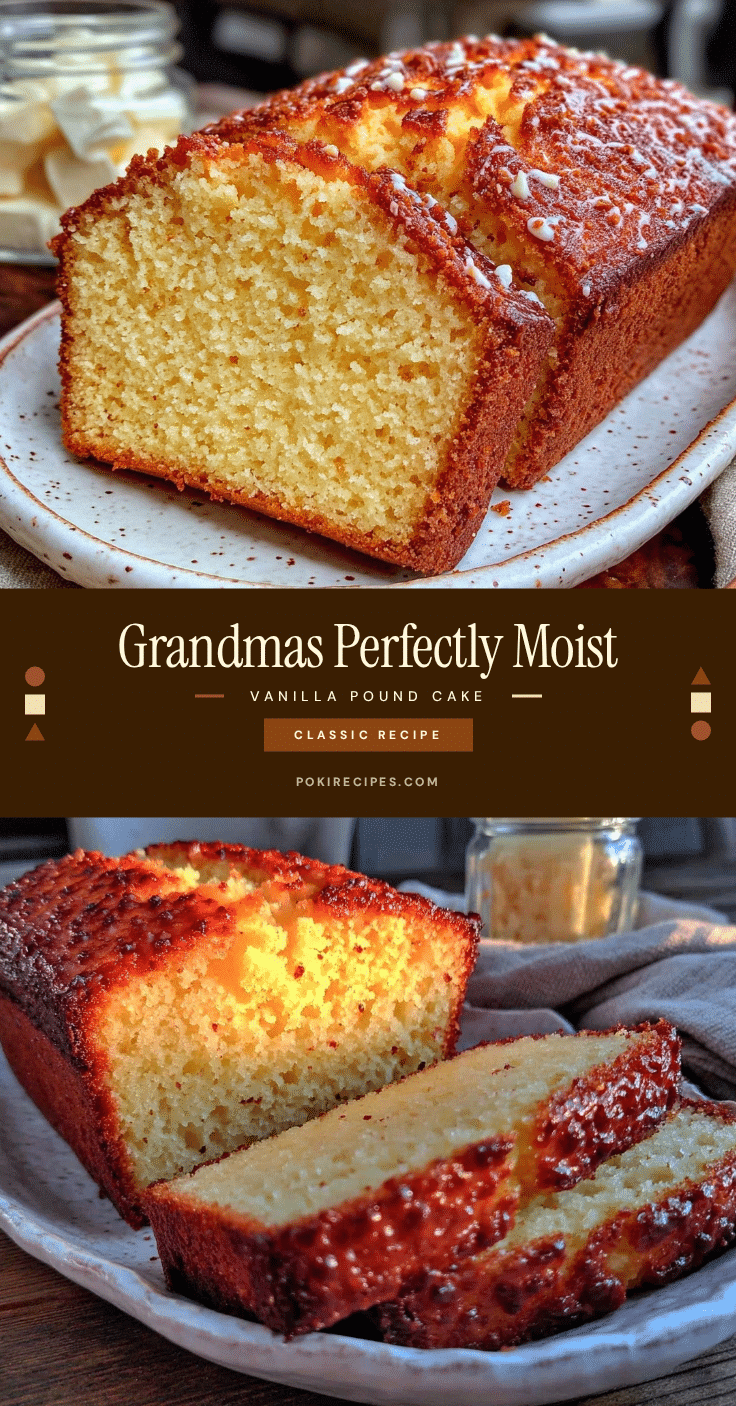
Classic Homemade Vanilla Pound Cake

A simple, moist, and tender vanilla pound cake with a buttery flavor and soft crumb, perfect for any occasion.
- Prep Time: 15 minutes
- Cook Time: 55-65 minutes
- Total Time: 1 hour 10 minutes
- Yield: 12 servings 1x
- Category: Dessert
- Cuisine: American
Ingredients
- 1 cup (2 sticks or 227 g) unsalted butter, softened
- 1 ½ cups (300 g) granulated sugar
- 4 large eggs, room temperature
- 2 cups (250 g) all-purpose flour
- 1 ½ teaspoons baking powder
- ½ teaspoon salt
- 2 teaspoons pure vanilla extract
- ½ cup (120 ml) whole milk, room temperature
Instructions
- Preheat your oven to 350°F (175°C). Grease a 9×5 inch loaf pan with butter or non-stick spray, then lightly dust with flour or line with parchment paper.
- In a large bowl, beat the softened butter and granulated sugar together on medium speed for 4-5 minutes until pale, fluffy, and light.
- Add the eggs one at a time, mixing well after each addition until the batter is smooth and creamy.
- In a separate bowl, whisk together the flour, baking powder, and salt. Sifting is optional but recommended.
- Alternately add the dry ingredients and milk to the butter mixture, beginning and ending with the dry ingredients. Mix on low speed just until combined after each addition.
- Gently fold in the vanilla extract with a spatula, ensuring even distribution without overmixing.
- Pour the batter into the prepared loaf pan and smooth the top with a spatula.
- Bake in the center of the oven for 55-65 minutes. Start checking at 50 minutes by inserting a toothpick in the center; it should come out clean or with a few moist crumbs.
- Let the cake cool in the pan for 15 minutes, then transfer to a wire rack to cool completely.
- Once cool, slice with a serrated knife and serve plain, dusted with powdered sugar, or with fresh fruit or ice cream.
Notes
Use room temperature ingredients for best results. Cream butter and sugar thoroughly to trap air for a tender crumb. Avoid overmixing after adding flour to keep cake soft. Tent with foil if top browns too quickly. Let cake cool in pan 15 minutes before removing to prevent sogginess.
Nutrition
- Serving Size: 1 slice (1/12th of t
- Calories: 320
- Sugar: 22
- Sodium: 180
- Fat: 18
- Saturated Fat: 11
- Carbohydrates: 38
- Fiber: 0.5
- Protein: 5
Keywords: vanilla pound cake, homemade pound cake, classic pound cake, moist pound cake, easy vanilla cake, butter cake