Fumbling for the salmon in the fridge at 5:47 PM when I realized I forgot to defrost anything—again. My kid was already asking what’s for dinner, and I had exactly zero plan. Sound familiar? This easy lemon herb salmon with asparagus came out of that exact kind of chaos. I grabbed a lemon that was rolling around in the crisper drawer, some sad-looking asparagus that needed cooking ASAP, and a salmon fillet I’d bought on a whim three days ago.
Honestly, I wasn’t expecting much. I just needed dinner on the table before everyone got hangry. But something clicked that night. The lemon juice hit the hot pan and that smell—bright, garlicky, almost buttery even though there was barely any butter—filled the kitchen. My husband walked in and said, “Whoa, what are you making?” That never happens. I mean, never.
This easy lemon herb salmon with asparagus became our go-to for those nights when you want something that feels special but takes less time than ordering takeout. It’s one of those recipes that makes you look like you tried really hard when you actually just threw things together. And honestly? That’s my favorite kind of cooking. The kind where the ingredients do the work for you.
So if you’re staring at a raw piece of fish and a bunch of green stalks right now, wondering how to make them taste amazing in under twenty minutes—you’re in the right place. Let me show you exactly how this works.
Why You’ll Love This Recipe
Let’s be real for a second. There are a million ways to cook salmon and asparagus. But this one? It sticks. Here’s why I keep coming back to it—and why I think you will too.
- Quick & Easy: From fridge to plate in 20 minutes flat. No marinating, no complicated steps, no stress. Perfect for those “I have nothing for dinner” nights.
- Simple Ingredients: You probably have most of this stuff already. Lemon, garlic, olive oil, salt, pepper. The herbs are flexible—use what you have. No special grocery trips needed.
- One Pan, Minimal Cleanup: Everything cooks on a single sheet pan. That means fewer dishes, which honestly might be the best part of this whole recipe.
- Healthy Without Trying: Salmon’s packed with omega-3s, asparagus is full of fiber and vitamins, and there’s no heavy cream or butter weighing things down. It’s the kind of meal that makes you feel good afterward.
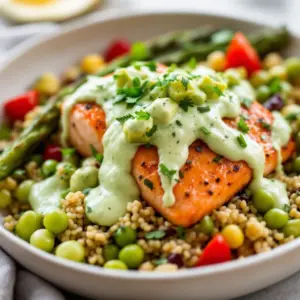
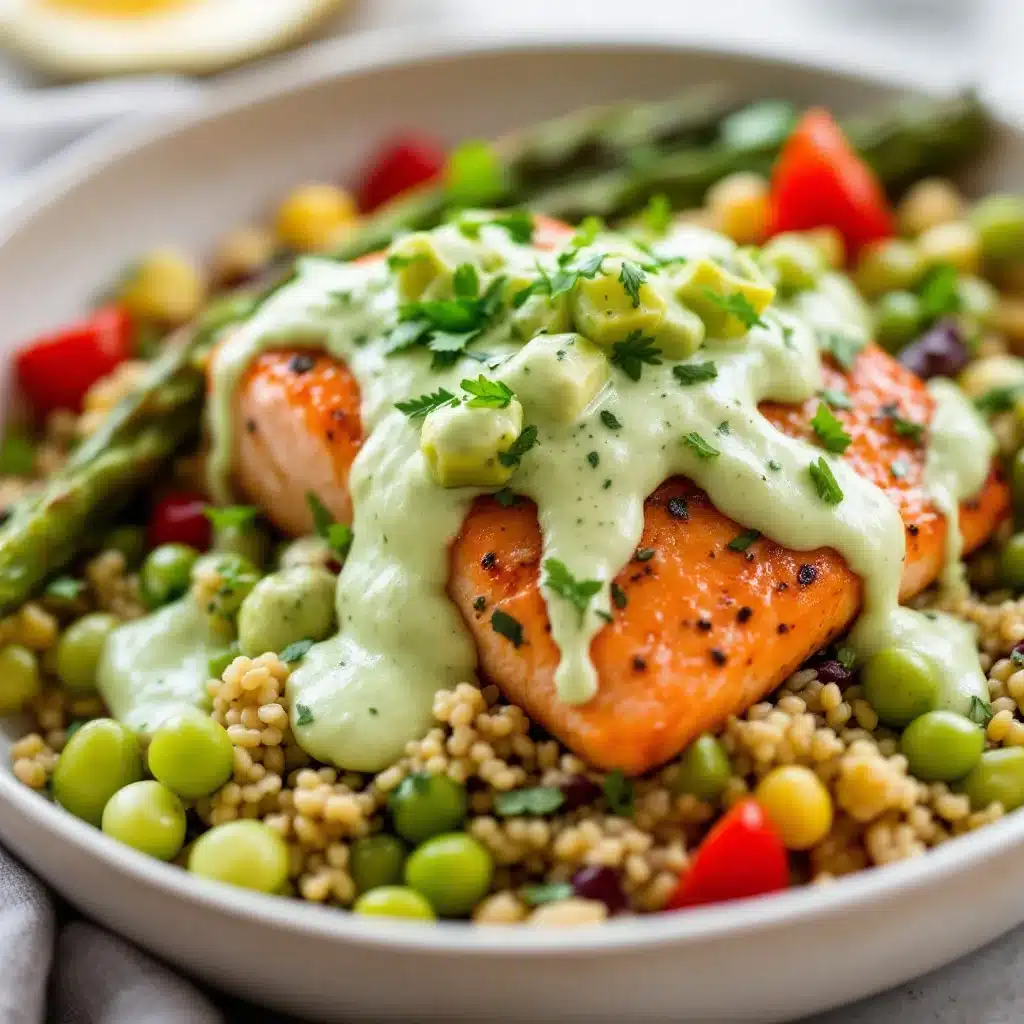
- Impressive Enough for Guests: I’ve served this to company more times than I can count. It looks beautiful on the plate—bright green asparagus, golden salmon, lemon slices caramelized on top. People always ask for the recipe.
- Totally Forgiving: Overcooked salmon by a minute? Still delicious. Asparagus a little charred on the edges? Even better. This recipe doesn’t punish you for being distracted.
I’ve tested this easy lemon herb salmon with asparagus at least a dozen times. I’ve tried it with different herbs, different temperatures, different thicknesses of salmon fillets. And every single time, it works. That’s the kind of recipe you can trust when you’re short on time but still want something that tastes like you actually care about dinner.
What Ingredients You Will Need
This recipe keeps things simple, but each ingredient pulls its weight. Here’s what you’ll need and why each one matters.
For the Salmon
- 4 salmon fillets (6 oz each): Look for fillets that are roughly the same thickness so they cook evenly. I prefer skin-on for extra crispiness, but skinless works too. If using frozen, thaw completely and pat dry.
- 2 tablespoons olive oil: A good quality extra virgin olive oil adds richness. Don’t skimp here—it helps the seasoning stick and keeps the salmon moist.
- 3 cloves garlic, minced: Fresh garlic makes a huge difference. The jarred stuff works in a pinch, but fresh gives that punchy aroma that fills the kitchen.
- 1 lemon (zest and juice): Use a whole lemon. Zest it first, then juice it. The zest adds brightness without extra liquid, and the juice keeps everything from tasting flat.
- 1 teaspoon dried oregano: I love oregano with salmon—it’s earthy and slightly peppery. You can swap for thyme or rosemary if that’s what you have.
- 1 teaspoon dried parsley: Adds a fresh, mild herb flavor. Fresh parsley works too—just double the amount.
- ½ teaspoon garlic powder: This is my secret weapon. It coats the salmon evenly and gives that garlic flavor in every bite.
- Salt and black pepper to taste: Don’t be shy with the salt. Salmon needs it to bring out its natural flavor.
For the Asparagus
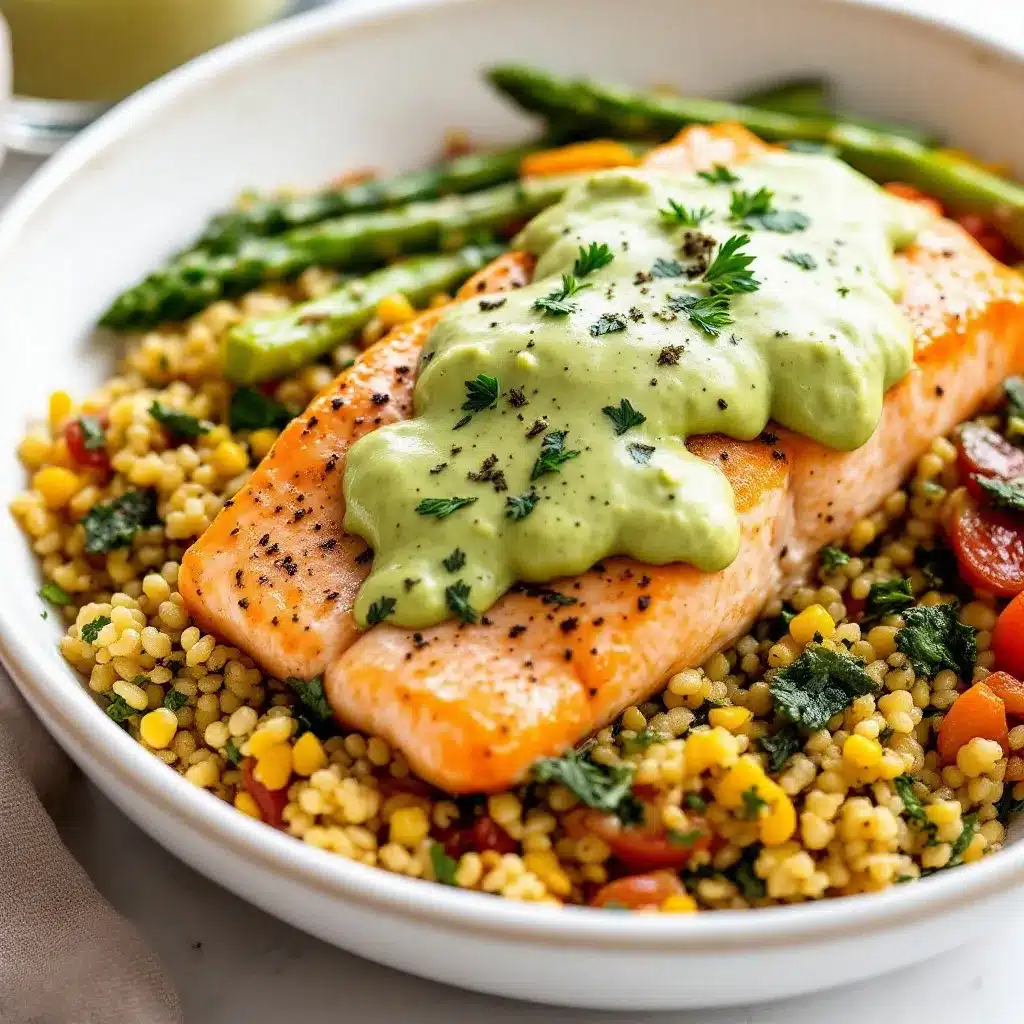
- 1 bunch asparagus (about 1 lb): Look for bright green stalks with tight tips. Thicker spears hold up better in the oven; thin ones cook faster and get crispier.
- 1 tablespoon olive oil: Just enough to coat the spears so they roast instead of steam.
- Salt and pepper to taste: Keep it simple—the lemon herb flavors from the salmon will mingle with the asparagus anyway.
For Garnish (Optional but Recommended)
- Fresh lemon slices: Place these on the pan while roasting. They caramelize slightly and look gorgeous.
- Fresh parsley or dill, chopped: A sprinkle right before serving adds color and freshness.
- Red pepper flakes: If you like a little heat, this is a nice touch.
One thing I’ve learned the hard way—pat your salmon dry with paper towels before seasoning. If it’s wet, the seasoning slides right off and you end up with bland fish. Trust me on this one. Also, if you’re looking for another quick weeknight meal that uses similar ingredients, my 5-ingredient salmon dinner is another lifesaver when you’re in a pinch.
Equipment Needed
You don’t need a fancy kitchen for this recipe. Here’s what you’ll use:
- Large rimmed baking sheet: A half-sheet pan (about 13×18 inches) works perfectly. The rim catches any juices so nothing drips onto your oven floor.
- Parchment paper or aluminum foil: Lining the pan makes cleanup almost nonexistent. I prefer parchment because nothing sticks to it.
- Chef’s knife and cutting board: For trimming the asparagus and mincing garlic. A sharp knife makes this step take thirty seconds.
- Small bowl: For mixing the herb mixture. You could mix it right on the pan too if you’re trying to save dishes.
- Measuring spoons: For the oil and seasonings. Eyeballing works once you’ve made this a few times, but measure at first.
- Zester or microplane: For getting that lemon zest. A vegetable peeler works in a pinch—just mince the strips finely.
- Instant-read thermometer (optional): If you want perfectly cooked salmon every time, this is worth having. 125°F for medium, 135°F for well-done.
That’s it. No food processor, no stand mixer, no fancy gadgets. If you have a sheet pan and an oven, you’re good to go. And if you’re into one-pan meals that keep cleanup minimal, you might also enjoy these crispy smashed potatoes as a side—they roast right alongside the salmon!
Preparation Method
Alright, let’s get cooking. The whole thing takes about 20 minutes, and most of that is hands-off oven time. Here’s exactly how to do it.
Step 1: Preheat and Prep
Preheat your oven to 400°F (200°C). Line your baking sheet with parchment paper or foil. While the oven heats, wash and trim your asparagus. Hold each spear at both ends and bend gently—it’ll snap naturally where the woody part ends. Discard the tough ends. Pat the salmon fillets dry with paper towels. This step is non-negotiable if you want crispy, well-seasoned fish.
Step 2: Make the Herb Mixture
In a small bowl, combine 2 tablespoons olive oil, minced garlic, lemon zest, dried oregano, dried parsley, garlic powder, salt, and pepper. Stir it together. It should look like a thick, fragrant paste. Taste it—yes, raw garlic is strong, but you want to make sure the salt level is right. Add more if needed. This mixture is what makes the easy lemon herb salmon with asparagus so flavorful.
Step 3: Season the Salmon
Place the salmon fillets on the prepared baking sheet, skin-side down (if they have skin). Spoon the herb mixture over each fillet and spread it evenly with the back of the spoon or your fingers. Don’t forget the sides. Let them sit for a few minutes while you prep the asparagus—this gives the flavors time to sink in.
Step 4: Prep the Asparagus
Toss the trimmed asparagus with 1 tablespoon olive oil, salt, and pepper right on the baking sheet. Spread them out around the salmon fillets in a single layer. If the asparagus is crowded, use a second pan or cook in batches. Crowding leads to steaming instead of roasting, and you want those edges to get slightly crispy.
Step 5: Add Lemon Slices
Slice your lemon into thin rounds and tuck a few slices around the salmon and asparagus. You can also place one slice on top of each fillet if you want that caramelized lemon look. Don’t skip this—the roasted lemon adds a mellow sweetness that’s totally different from fresh lemon juice.
Step 6: Roast
Place the baking sheet in the preheated oven. Roast for 12-15 minutes, depending on the thickness of your salmon. For 1-inch thick fillets, 13 minutes is usually perfect. The salmon should flake easily with a fork and the asparagus should be tender with slightly charred tips. If you’re using an instant-read thermometer, aim for 125-130°F in the thickest part.
Step 7: Rest and Serve
Remove the pan from the oven and let it rest for 2-3 minutes. This lets the juices redistribute so the salmon stays moist. Squeeze a little fresh lemon juice over everything (use those roasted lemon slices for garnish). Sprinkle with fresh parsley or dill if you have it. Serve immediately while it’s hot.
A quick note—if your asparagus is very thin, check it at the 10-minute mark. It can go from perfect to mushy fast. Thicker spears can handle the full 15 minutes. And if you want to add a side to round out the meal, these loaded baked potato soup would be a cozy complement on a cooler evening.
Cooking Tips & Techniques
I’ve made this easy lemon herb salmon with asparagus more times than I can count, and I’ve definitely learned a few things along the way. Here are the tips that make the biggest difference.
Don’t skip drying the salmon. I know it seems like a small step, but moisture is the enemy of browning. If your salmon is wet, it’ll steam instead of roast, and you’ll miss out on that beautiful golden crust. Pat it dry, then pat it again.
Room temperature salmon cooks more evenly. Take the fillets out of the fridge 10-15 minutes before cooking. Cold salmon straight from the fridge cooks unevenly—the outside overcooks while the inside stays raw. That 15-minute rest makes a noticeable difference.
Watch the asparagus thickness. If your asparagus spears are significantly thinner than your salmon fillets, consider adding them to the pan 5 minutes after the salmon starts cooking. Otherwise, you’ll end up with perfectly cooked salmon and limp asparagus. Or vice versa. Adjust based on what you’re working with.
Use the broiler for extra color. If your salmon looks pale after roasting, switch the oven to broil for the last 1-2 minutes. Watch it closely—broilers are aggressive. You want golden brown, not burnt. This trick works especially well if you’re using skinless fillets.
Don’t overcook the salmon. Salmon continues cooking after it comes out of the oven (carryover cooking). If it flakes easily but still looks slightly translucent in the center, it’s done. By the time it’s fully opaque throughout, it’s probably overdone. Aim for that sweet spot where it’s just cooked through but still moist.
One mistake I made early on was using too much oil. I thought more oil would keep everything moist, but it actually made the salmon greasy and prevented browning. Two tablespoons for four fillets is plenty. Trust the process.
Variations & Adaptations
This recipe is flexible, and I love playing around with it. Here are some variations I’ve tried and loved.
Herb Swaps
Don’t have oregano and parsley? No problem. Try thyme, rosemary, basil, or even dill. Each herb gives the dish a different personality. Dill and lemon are a classic combo with salmon. Rosemary adds an earthy, almost woodsy note. Mix and match based on what you have in your pantry.
Spicy Version
Add ½ teaspoon red pepper flakes or a pinch of cayenne to the herb mixture. The heat pairs beautifully with the bright lemon and rich salmon. I’ve also drizzled sriracha over the finished dish, and it’s surprisingly good.
Garlic Butter Version
Replace the olive oil with melted butter (about 3 tablespoons). Add an extra clove of garlic. The butter browns slightly in the oven and creates this nutty, rich flavor that’s absolutely decadent. This version feels more indulgent, perfect for a special dinner.
Different Vegetables
Not an asparagus fan? Swap it out. Broccoli florets, green beans, cherry tomatoes, or zucchini slices all work well. Just adjust the cooking time based on the vegetable. Tomatoes might need less time, while thicker broccoli florets might need more. Keep an eye on them.
Dairy-Free and Gluten-Free
This recipe is naturally gluten-free and dairy-free as written. Just make sure your dried herbs don’t contain any hidden gluten (most don’t, but it’s worth checking). For a dairy-free garlic butter version, use vegan butter or stick with olive oil.
Sheet Pan Meal Prep
Double the recipe and use two sheet pans. The leftovers are fantastic cold on salads or reheated for lunch the next day. I’ve made this on Sunday and eaten it for lunch all week—it keeps surprisingly well.
If you’re into quick, flavorful dinners, you might also like this 5-ingredient pesto pasta for another night when you need something fast and satisfying.
Serving & Storage Suggestions
This easy lemon herb salmon with asparagus is best served fresh out of the oven, but here’s how to make the most of it.
Serving Suggestions
Serve the salmon and asparagus hot, straight from the sheet pan (rustic presentation is totally fine). Garnish with fresh herbs and a lemon wedge. I like to add a side of rice, quinoa, or crusty bread to soak up the pan juices. A simple green salad with vinaigrette also works beautifully—the acidity cuts through the richness of the salmon.
For a complete meal, pair it with roasted potatoes or a light pasta. The salmon is versatile enough to go with almost anything. And if you’re entertaining, this dish looks stunning on a platter with the lemon slices and herbs scattered around.
Storage Instructions
Store leftovers in an airtight container in the refrigerator for up to 3 days. The asparagus will soften over time, but the flavor stays good. I recommend storing the salmon and asparagus separately if you can—the asparagus can make the salmon a bit soggy otherwise.
Reheating Tips
The best way to reheat is in a low oven (300°F) for about 10 minutes. This warms everything through without drying out the salmon. The microwave works in a pinch, but it tends to overcook the fish and make the asparagus mushy. If you’re using the microwave, heat in 30-second bursts and stop as soon as it’s warm.
Cold leftovers are actually delicious. Flake the salmon over a salad, mix it into pasta, or eat it straight from the container (no judgment here). The lemon herb flavors get even more pronounced after a day in the fridge.
Freezing
I don’t recommend freezing this dish. The texture of both the salmon and asparagus changes significantly after freezing and thawing. If you must freeze, do so before cooking—freeze the seasoned raw salmon and asparagus separately, then cook fresh when you’re ready.
Nutritional Information & Benefits
This recipe is as good for you as it tastes. Here’s a rough breakdown per serving (one salmon fillet with asparagus):
| Nutrient | Amount |
|---|---|
| Calories | ~380 |
| Protein | 35g |
| Fat | 22g |
| Saturated Fat | 4g |
| Carbohydrates | 8g |
| Fiber | 3g |
| Sugar | 3g |
| Sodium | ~400mg |
| Omega-3 Fatty Acids | High |
| Vitamin C | 20% DV |
| Vitamin A | 15% DV |
| Iron | 10% DV |
Salmon is packed with omega-3 fatty acids, which support heart and brain health. Asparagus is a great source of fiber, folate, and vitamins A, C, and K. Together, they make a nutrient-dense meal that’s low in carbs and high in quality protein. This dish fits well into Mediterranean, low-carb, and gluten-free diets. If you have a fish allergy, obviously skip this one.
Honestly, I love that this meal feels indulgent but is actually really good for you. No guilt, just delicious food.
Conclusion
This easy lemon herb salmon with asparagus has saved my dinner plans more times than I can count. It’s quick, it’s simple, and it never fails to impress. Whether you’re cooking for yourself on a busy weeknight or serving guests on a weekend, this recipe delivers every single time.
The best part? You can tweak it endlessly. Swap the herbs, change the vegetables, add some heat—make it yours. That’s what cooking should be, right? Not rigid rules, but a foundation you can build on.
I’d love to hear how it goes for you. Did you try a variation I didn’t mention? Did your kids actually eat the asparagus? (Mine did, which felt like a miracle.) Drop a comment below and let me know. And if you loved this recipe, share it with a friend who needs a quick dinner idea. Happy cooking!
Frequently Asked Questions
Can I use frozen salmon for this recipe?
Yes, but thaw it completely in the refrigerator overnight or under cold running water. Pat it very dry before seasoning—frozen salmon tends to hold more moisture, and you don’t want it to steam.
How do I know when the salmon is done?
The easiest test is to gently press the top with a fork. If it flakes easily and the center is slightly translucent, it’s done. For accuracy, use an instant-read thermometer—125-130°F for medium, 135°F for well-done.
Can I make this recipe on the grill?
Absolutely. Use a grill basket or foil packet for the asparagus. Grill the salmon directly on the grates (skin-side down first) over medium heat for about 4-6 minutes per side. The lemon herb flavors work beautifully with the smoky char.
What if I don’t have dried herbs?
Fresh herbs work great. Use about three times the amount of fresh herbs compared to dried. So instead of 1 teaspoon dried oregano, use 1 tablespoon fresh chopped oregano. Add them just before roasting so they don’t burn.
Can I prepare this ahead of time?
You can season the salmon and trim the asparagus up to a few hours ahead. Keep everything refrigerated separately. When ready to cook, just arrange on the pan and roast. Don’t season more than 4 hours in advance—the salt can start to cure the fish and change the texture.
Pin This Recipe!
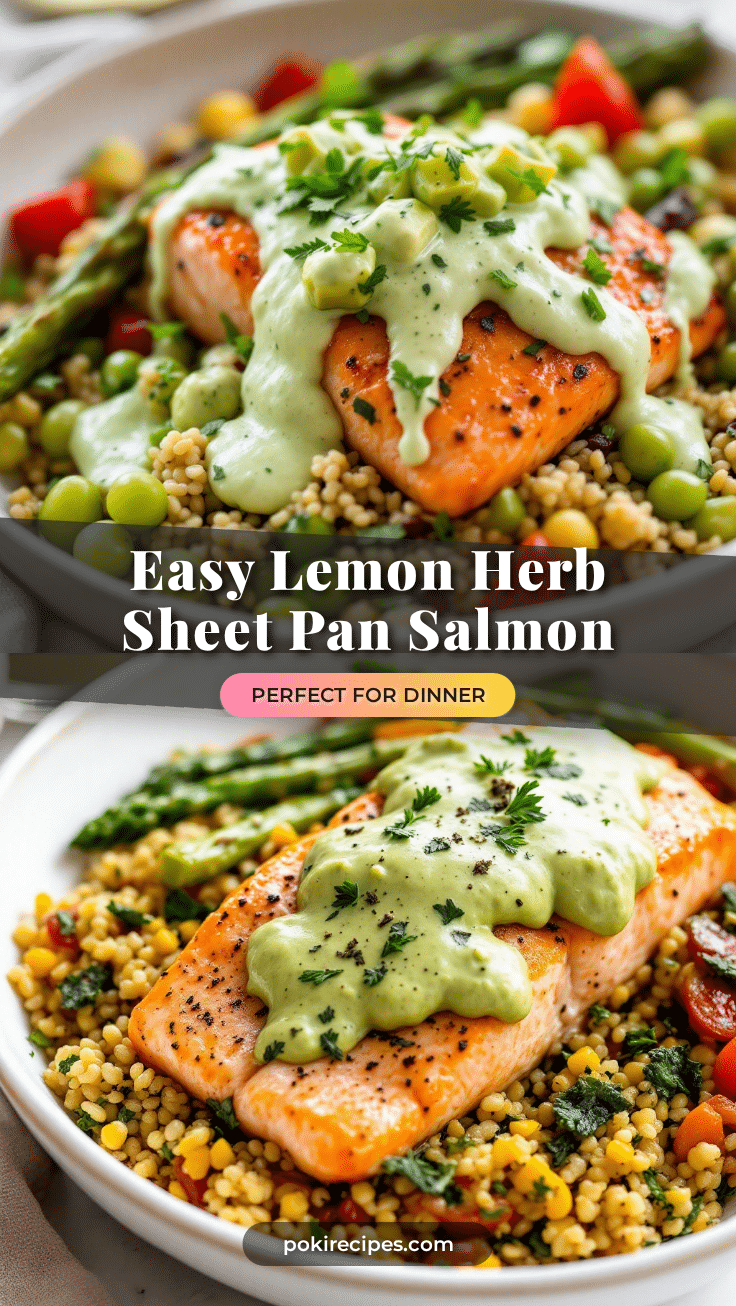
Easy Lemon Herb Salmon with Asparagus

A quick and easy 20-minute sheet pan dinner featuring lemon herb salmon and roasted asparagus. Perfect for busy weeknights when you want something healthy and impressive with minimal cleanup.
- Prep Time: 5 minutes
- Cook Time: 15 minutes
- Total Time: 20 minutes
- Yield: 4 servings 1x
- Category: Main Course
- Cuisine: American
Ingredients
- 4 salmon fillets (6 oz each)
- 2 tablespoons olive oil
- 3 cloves garlic, minced
- 1 lemon (zest and juice)
- 1 teaspoon dried oregano
- 1 teaspoon dried parsley
- ½ teaspoon garlic powder
- Salt and black pepper to taste
- 1 bunch asparagus (about 1 lb)
- 1 tablespoon olive oil
- Salt and pepper to taste
- Fresh lemon slices (for garnish)
- Fresh parsley or dill, chopped (for garnish)
- Red pepper flakes (optional)
Instructions
- Preheat your oven to 400°F (200°C). Line a large rimmed baking sheet with parchment paper or aluminum foil.
- Wash and trim the asparagus by bending each spear until it snaps naturally at the woody end. Discard the tough ends.
- Pat the salmon fillets dry with paper towels.
- In a small bowl, combine 2 tablespoons olive oil, minced garlic, lemon zest, dried oregano, dried parsley, garlic powder, salt, and pepper. Stir into a thick paste.
- Place the salmon fillets on the prepared baking sheet, skin-side down. Spoon the herb mixture over each fillet and spread evenly.
- Toss the trimmed asparagus with 1 tablespoon olive oil, salt, and pepper on the baking sheet. Spread them around the salmon in a single layer.
- Slice the lemon into thin rounds and tuck a few slices around the salmon and asparagus. Optionally, place one slice on top of each fillet.
- Roast for 12-15 minutes, depending on salmon thickness. For 1-inch thick fillets, 13 minutes is usually perfect. Salmon should flake easily with a fork and asparagus should be tender with slightly charred tips.
- Remove from oven and let rest for 2-3 minutes. Squeeze fresh lemon juice over everything, garnish with fresh herbs and red pepper flakes if desired. Serve immediately.
Notes
Pat salmon dry before seasoning for best results. Let salmon sit at room temperature for 10-15 minutes before cooking for even cooking. Adjust cooking time based on asparagus thickness—thin spears may need only 10 minutes. For extra color, broil for the last 1-2 minutes. Salmon continues cooking after removal from oven (carryover cooking).
Nutrition
- Serving Size: 1 salmon fillet with
- Calories: 380
- Sugar: 3
- Sodium: 400
- Fat: 22
- Saturated Fat: 4
- Carbohydrates: 8
- Fiber: 3
- Protein: 35
Keywords: lemon herb salmon, sheet pan salmon, easy salmon recipe, asparagus salmon, 20-minute dinner, healthy salmon, one-pan meal