The scent of buttery, slightly smoky salmon sizzling in my kitchen instantly reminds me of those cozy nights at Texas Roadhouse—minus the wait for a table. I’ll be honest, there was a time I thought restaurant-style salmon was out of my league. Turns out, this Texas Roadhouse salmon recipe is so approachable, you’ll wonder why you ever doubted yourself. The first time I tried to recreate it, I was nervous (what if it fell apart, or worse, tasted bland?). But nope, it came out flaky, flavorful, and honestly, a total showstopper.
So, why am I obsessed with this easy copycat dinner? It’s fast (hello, 30-minute meal), and the glaze is downright addictive. I’ve tested this recipe over a dozen times—tweaking the seasoning, playing with the sweetness, and grilling versus oven-baking. Each time, it’s become more foolproof and adaptable. Whether you’re a salmon newbie or a weeknight dinner pro, you’ll love how this salmon dish brings the steakhouse magic home, but with less mess and a lot less fuss. It’s perfect for families, date night, or when you want something fancy-ish without spending hours in the kitchen.
Give this Texas Roadhouse salmon recipe a whirl and you’ll see—there’s something special about making restaurant meals your own. Trust me, you’ll be fielding “when are you making that salmon again?” texts in no time.
Why You’ll Love This Texas Roadhouse Salmon Recipe
- Quick & Easy: This Texas Roadhouse salmon recipe truly comes together in just 30 minutes, making it a real hero for busy weeknights or last-minute dinner guests. No endless marinating or complicated steps here.
- Simple Ingredients: You won’t need a specialty grocer or mystery pantry items. Everything is either already in your kitchen or easy to find at any grocery store.
- Perfect for Any Occasion: Whether you’re hosting friends, prepping a healthy family dinner, or just want to treat yourself, this salmon fits the bill. I’ve even whipped it up for holiday brunch, and it never fails to impress.
- Crowd-Pleaser: Kids love the sweet-savory glaze, and adults always compliment how tender and juicy the salmon turns out. It’s one of those “please share your recipe” dishes.
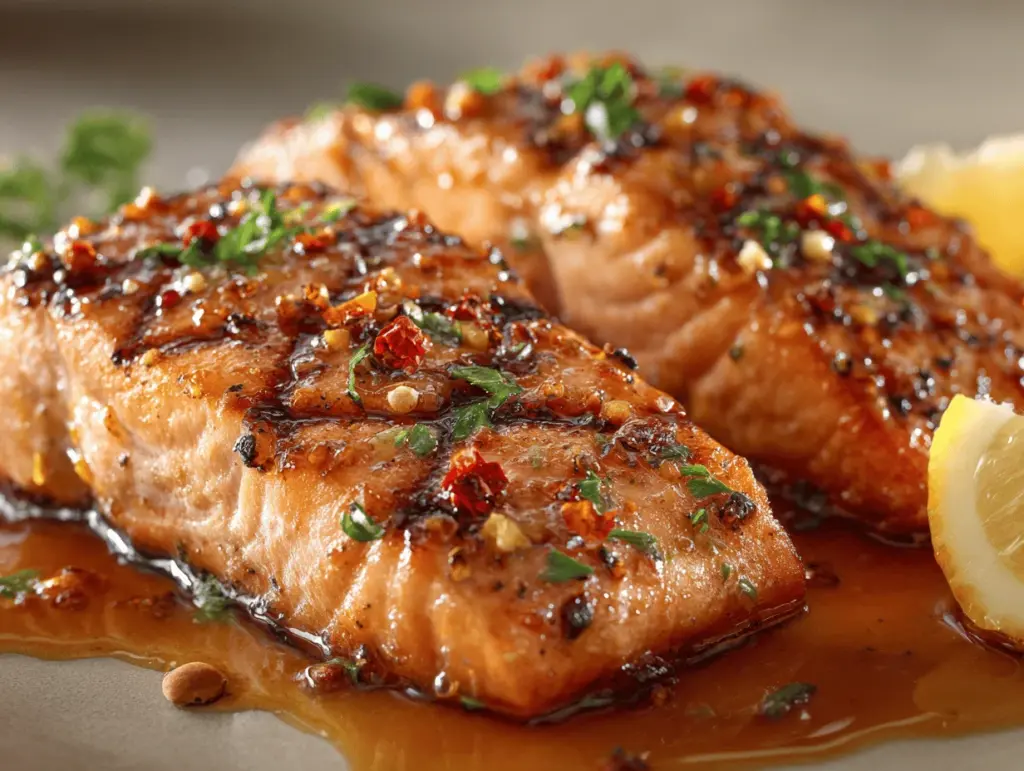
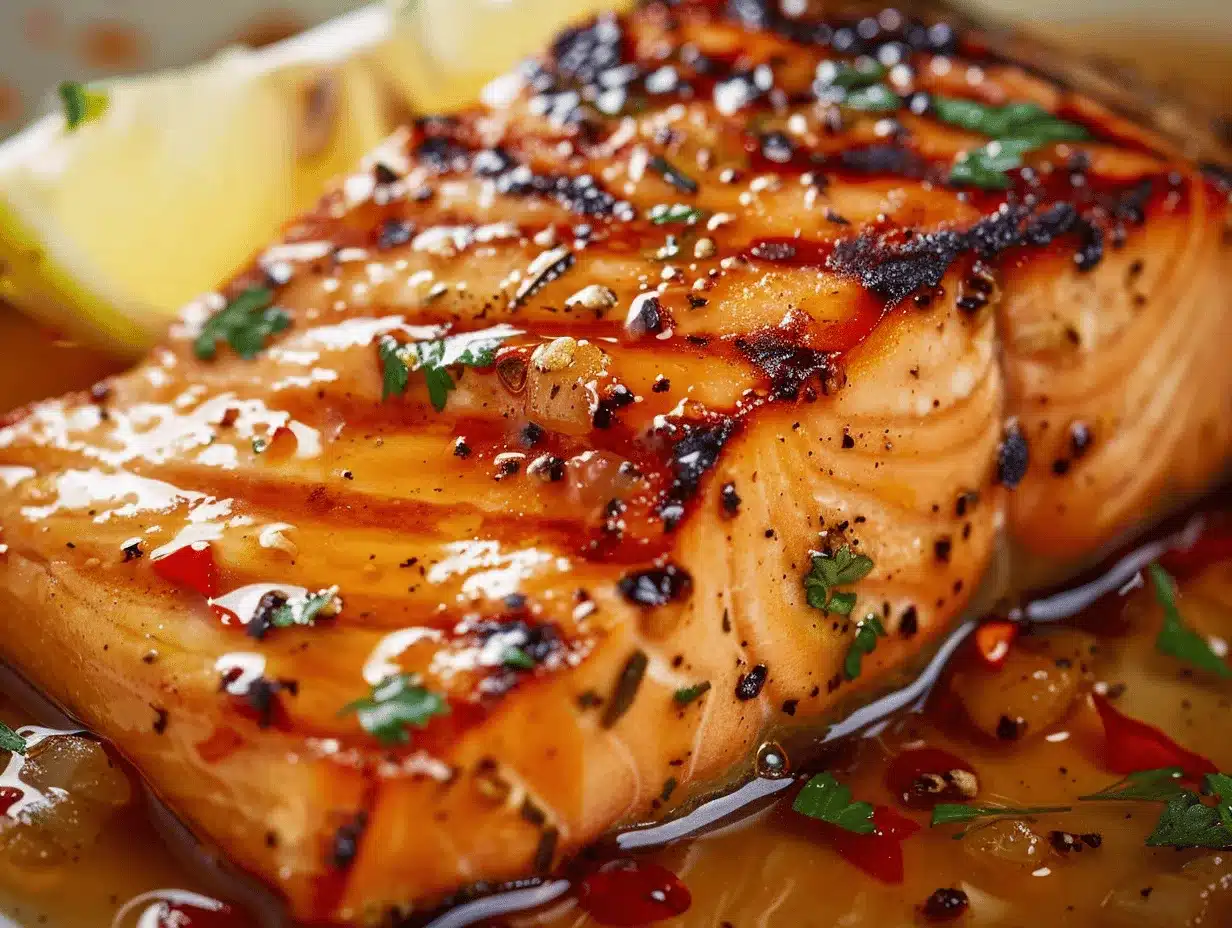
- Unbelievably Delicious: The brown sugar and soy glaze caramelizes just enough, giving the salmon a gorgeous color and a flavor that’s rich without being heavy. Honestly, it’s the kind of comfort food that makes you want to close your eyes after the first bite.
What sets this Texas Roadhouse salmon copycat apart? It’s that touch of honey in the glaze, and my little twist—adding a pinch of smoked paprika for depth (you can skip it, but trust me, it’s a game-changer). The method guarantees moist, flaky fish every single time, no matter your skill level. Plus, you get all the flavor of a restaurant dish, but with none of the takeout guilt or expense. If you’re looking for a go-to salmon recipe that delivers every time, this is it. It’s become my answer to “what’s for dinner?”—and I bet it’ll become yours too.
What Ingredients You Will Need
This recipe uses simple, wholesome ingredients to deliver bold flavor and satisfying texture without the fuss. You probably have most of these on hand—no specialty shop runs required!
- Fresh Salmon Fillets (4, about 6 oz/170g each): Skin-on or skinless both work. Go for center-cut fillets for even cooking. If you can, pick wild-caught; it’s a bit firmer and richer in flavor.
- Olive Oil (2 tablespoons/30ml): For brushing the salmon and ensuring it doesn’t stick. Avocado oil is a good sub if that’s what you’ve got.
- Salt (1 teaspoon/6g): Kosher or sea salt gives the best, cleanest flavor.
- Black Pepper (½ teaspoon/1g): Freshly ground is best for a little bite.
- Smoked Paprika (½ teaspoon/1g): Adds a hint of smokiness—optional, but highly recommended.
- Garlic Powder (½ teaspoon/1g): For savory depth without overpowering the salmon.
- Brown Sugar (2 tablespoons/28g): This is key for that signature caramelized Texas Roadhouse finish. Light or dark both work, but dark gives a deeper flavor.
- Honey (1 tablespoon/21g): For a gentle, natural sweetness and glossy glaze.
- Soy Sauce (2 tablespoons/30ml): I use low-sodium to keep things balanced, but regular is fine. For gluten-free, use tamari.
- Lemon Juice (1 tablespoon/15ml): Brightens everything up. Fresh is best, but bottled works in a pinch.
- Dijon Mustard (1 teaspoon/5g): Adds tang and rounds out the sweetness.
- Butter (1 tablespoon/14g, optional): For finishing the glaze—skip if you want to keep it dairy-free.
- Fresh Parsley (2 tablespoons, chopped): For garnish and a pop of color. You can swap in chives or dill if you prefer.
If you’re out of honey, maple syrup works as a great substitute. No brown sugar? White sugar with a touch of molasses does the trick. For a lighter version, swap out the butter and use a little extra olive oil. And if you need an allergy-friendly option, there’s a note on gluten-free swaps up above. I’ve even made this with frozen fillets (thawed overnight in the fridge)—it’s forgiving, so don’t stress if everything isn’t picture-perfect!
Equipment Needed
- Large Nonstick or Cast-Iron Skillet: My go-to for that golden crust. If you don’t have either, use a well-seasoned stainless steel pan—just be sure it’s oven-safe if finishing under the broiler.
- Baking Sheet (optional): For oven-baking instead of stovetop. Line with parchment for easy cleanup.
- Small Saucepan: For making the glaze. Any small pot will do.
- Tongs or Fish Spatula: Makes flipping salmon easier and helps keep it intact. A regular spatula will work in a pinch, just be gentle.
- Measuring Spoons and Cups: I always measure the glaze for consistency, though after a few tries you’ll probably eyeball it like I do!
- Basting Brush (optional): For brushing on the glaze, but a spoon works just fine.
If you’re on a budget, skip the specialty spatula and use a wide, flat one—just slide under gently. I’ve even made this in a toaster oven with a tiny tray during a vacation rental stay, so don’t feel limited by gear. For clean-up, a nonstick skillet is your friend (and keeps the skin from sticking—learned that the hard way!).
How to Make Texas Roadhouse Salmon Recipe (Step-by-Step)
-
Prep the Salmon:
Pat the salmon fillets dry with paper towels—this step helps them sear nicely (and keeps the seasoning from sliding off). Brush both sides with olive oil. Sprinkle evenly with salt, black pepper, smoked paprika, and garlic powder. Set aside while you make the glaze. (Takes about 5 minutes.) -
Make the Glaze:
In a small saucepan, combine brown sugar, honey, soy sauce, lemon juice, and Dijon mustard. Whisk together over medium heat. Bring to a gentle simmer, stirring occasionally, until the sugar dissolves and the glaze thickens slightly (about 3-4 minutes). Remove from heat and stir in the butter for a glossy finish. (If you want to skip the butter, just add a splash more olive oil instead.) -
Cook the Salmon:
Heat your skillet over medium-high heat. Once hot, add a little olive oil. Place the salmon fillets skin-side down (if using skin-on). Sear for 3-4 minutes until the bottom is golden and releases easily from the pan (don’t force it—if it’s sticking, give it another minute). Flip carefully, then brush the tops generously with your glaze. -
Finish Under the Broiler (Optional but Recommended):
Preheat your oven’s broiler. Transfer the glazed salmon (still in the skillet or onto a lined baking sheet) to the oven. Broil for 2-3 minutes until the glaze bubbles and caramelizes. Keep a close eye—glazes can burn fast! (If you’re skipping the broiler, just continue cooking on the stovetop, spooning glaze over the top for another 2-3 minutes.) -
Check for Doneness:
Salmon is done when it flakes easily with a fork and is opaque in the center. For extra precision, aim for an internal temp of 125-130°F (52-54°C) for medium-rare, or 140°F (60°C) if you prefer it well done. -
Rest and Garnish:
Let the salmon rest for 2-3 minutes—this helps the juices settle and keeps it moist. Sprinkle with fresh parsley for color and flavor. -
Serve:
Plate the salmon, spoon extra glaze over the top, and add lemon wedges if you like a citrusy finish.
Troubleshooting Tips: If the salmon is sticking, it’s probably not ready to flip. If your glaze gets too thick, loosen it with a splash of water. And if you accidentally overcook the fish, don’t panic—a little extra glaze covers a multitude of sins. Trust me, I’ve been there!
Cooking Tips & Techniques
- Don’t Overcrowd the Pan: Give each fillet space. If you cram them in, they’ll steam instead of sear (been there, soggy salmon isn’t a vibe).
- Use High Heat for Searing: That initial blast of heat gives the salmon a crispy bottom and helps lock in juices. Just don’t walk away!
- Glaze at the Right Time: Brush the glaze on after flipping, or just before broiling—otherwise, it’ll burn. I learned this after one too many smoking kitchens.
- Check for Doneness with a Fork: Salmon should flake but still look juicy. If it’s dry and crumbly, it’s gone too far.
- Multitasking: While the salmon cooks, reheat sides or toss together a salad. The glaze comes together so fast, you’ll have time to prep everything else.
- Consistency is Key: Measure your glaze ingredients at least the first few times. Once you’ve got it down, you can eyeball it, but starting with measurements means you’re less likely to get a too-sweet or too-salty batch.
- Personal Fails: The first time I made this, I tried to cook all four fillets in a tiny pan—bad idea. They stuck, steamed, and looked nothing like restaurant salmon. Lesson learned: bigger pan, better results!
For the best flavor, don’t skip the rest before serving. Letting your salmon sit for a couple of minutes lets the glaze set and the juices redistribute. And if you’re new to cooking fish, start with a thick center-cut fillet—it’s more forgiving if you’re worried about overcooking.
Variations & Adaptations
- Gluten-Free: Swap the soy sauce for gluten-free tamari or coconut aminos. Double-check your Dijon mustard to be sure it’s gluten-free, too.
- Low-Carb/Keto: Use a brown sugar substitute (like Swerve or monk fruit) and sugar-free honey. Trust me, the flavor is still spot-on—you won’t miss the sugar.
- Spicy Twist: Add ¼ teaspoon cayenne or a dash of hot sauce to the glaze for some heat. I did this for a friend who loves spice, and it was a hit!
- Cooking Methods: You can grill the salmon over medium-high heat for 4-5 minutes per side instead of pan-searing. Or, bake in a 400°F (200°C) oven for 10-12 minutes, brushing with glaze in the last few minutes.
- Seasonal Additions: In summer, top with a fresh mango salsa for a bright, fruity finish. In fall, try adding a pinch of cinnamon to the glaze for warmth.
- Personal Favorite: I sometimes skip the parsley and finish with a sprinkle of toasted sesame seeds or thinly sliced green onion for a little crunch and color.
Allergies? If you’re dairy-free, skip the butter and use a little extra olive oil in the glaze. If someone can’t have mustard, just leave it out—it’s still delicious. There’s a version of this Texas Roadhouse salmon recipe for just about everyone!
Serving & Storage Suggestions
Serving: This salmon is best served hot, right off the skillet or broiler, when the glaze is still a little sticky and the fish is juicy. I love to plate it with a wedge of lemon and a sprinkle of fresh herbs. For sides, think buttery mashed potatoes, roasted asparagus, or a crisp green salad. A glass of chilled white wine or iced tea pairs perfectly.
Storage: Leftovers keep well in an airtight container in the fridge for up to 3 days. The flavors actually deepen a bit overnight! To reheat, pop the salmon in a low oven (about 300°F/150°C) for 8-10 minutes, or microwave in short bursts with a splash of water to keep it moist. If freezing, wrap tightly and store for up to 1 month—just thaw overnight in the fridge before reheating.
Pro Tip: If you’re packing lunch, flake leftover salmon over greens or tuck into a wrap with extra glaze on the side. The texture holds up surprisingly well, and the flavor only gets better!
Nutritional Information & Benefits
Each serving of this Texas Roadhouse salmon recipe (about 6 oz/170g cooked fillet with glaze) comes in at roughly 320 calories, 25g protein, 14g fat, and 14g carbs (mostly from the glaze). It’s packed with omega-3 fatty acids, vitamin D, and high-quality protein—perfect for heart and brain health.
Salmon is naturally low in carbs, so this dish fits well into most healthy eating plans. If you use gluten-free soy sauce and skip the butter, it’s allergy-friendly for most. Just watch for soy and mustard if those are issues in your household.
From a wellness perspective, I love that this recipe is satisfying without feeling heavy. It’s a great way to get more fish into your week without sacrificing flavor or convenience. And honestly, it’s one of the few healthy meals my whole family actually requests!
Conclusion
If you’re craving the comfort of a steakhouse dinner but want to skip the crowds (and the bill), this Texas Roadhouse salmon recipe is your ticket. Every bite is perfectly seasoned, sweet-savory, and beautifully flaky—just like the original, only easier and healthier. The best part? You can tweak it to fit your tastes, dietary needs, or whatever’s in your pantry tonight.
This has become my go-to for both busy weeknights and special occasions. I love how quick it is, and how it never fails to impress—even when I’m short on time or energy. Give it a shot, make it your own, and let me know in the comments how you served it. Did you try a spicy glaze, add a new herb, or pair it with your favorite side?
Pin this recipe, share it with friends, and don’t forget to come back and tell me your favorite twist. Here’s to more cozy dinners, big flavors, and restaurant magic at home!
Frequently Asked Questions
Can I use frozen salmon for this Texas Roadhouse salmon recipe?
Yes, just thaw the fillets overnight in the fridge and pat them dry before seasoning. The texture holds up well even if it was previously frozen.
Do I have to use a broiler, or can I finish the salmon on the stovetop?
You can absolutely finish it on the stovetop! Just keep spooning glaze over the fillets and let it bubble for a couple more minutes until sticky and caramelized.
What’s the best way to prevent my salmon from sticking to the pan?
Start with a hot, well-oiled pan and don’t flip the salmon until it releases easily. Using a nonstick skillet or lining your baking sheet with parchment helps a lot, too.
How do I know when my salmon is perfectly cooked?
Salmon is ready when it flakes easily with a fork and is opaque in the center. An internal temp of 125-130°F (52-54°C) is ideal for moist, tender fish.
Can I make the glaze ahead of time?
Yes! The glaze can be made up to three days in advance and stored in the fridge. Just reheat gently before brushing onto the salmon.
Pin This Recipe!
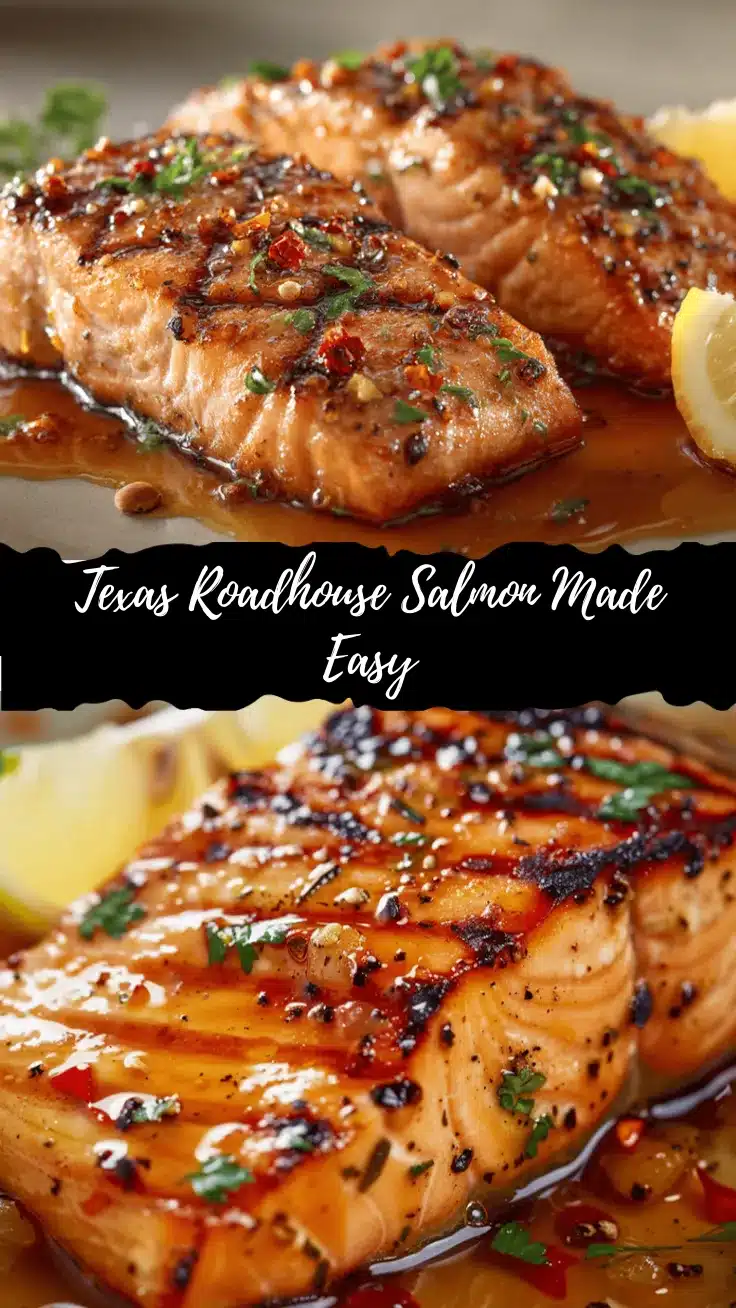
Texas Roadhouse Salmon Recipe Easy Copycat Dinner in 30 Minutes

This easy copycat Texas Roadhouse salmon recipe brings restaurant-quality flavor to your kitchen in just 30 minutes. With a sweet-savory glaze and simple ingredients, it’s perfect for busy weeknights or special occasions.
- Prep Time: 10 minutes
- Cook Time: 15 minutes
- Total Time: 25 minutes
- Yield: 4 servings 1x
- Category: Main Course
- Cuisine: American
Ingredients
- 4 fresh salmon fillets (about 6 oz each), skin-on or skinless
- 2 tablespoons olive oil
- 1 teaspoon kosher or sea salt
- 1/2 teaspoon freshly ground black pepper
- 1/2 teaspoon smoked paprika (optional, but recommended)
- 1/2 teaspoon garlic powder
- 2 tablespoons brown sugar (light or dark)
- 1 tablespoon honey
- 2 tablespoons soy sauce (low-sodium or regular; use tamari for gluten-free)
- 1 tablespoon lemon juice (fresh preferred)
- 1 teaspoon Dijon mustard
- 1 tablespoon butter (optional, for finishing glaze)
- 2 tablespoons fresh parsley, chopped (for garnish)
Instructions
- Pat the salmon fillets dry with paper towels. Brush both sides with olive oil and season evenly with salt, black pepper, smoked paprika, and garlic powder. Set aside.
- In a small saucepan, combine brown sugar, honey, soy sauce, lemon juice, and Dijon mustard. Whisk over medium heat and bring to a gentle simmer, stirring occasionally, until the sugar dissolves and the glaze thickens slightly (about 3-4 minutes). Remove from heat and stir in butter for a glossy finish (or use extra olive oil if dairy-free).
- Heat a large nonstick or cast-iron skillet over medium-high heat. Add a little olive oil. Place salmon fillets skin-side down (if using skin-on) and sear for 3-4 minutes until golden and easily releases from the pan. Flip carefully and brush the tops generously with glaze.
- Optional: Preheat oven broiler. Transfer glazed salmon (in skillet or on lined baking sheet) to oven and broil for 2-3 minutes until glaze bubbles and caramelizes. Watch closely to avoid burning. (Alternatively, continue cooking on stovetop, spooning glaze over for another 2-3 minutes.)
- Check for doneness: Salmon is done when it flakes easily with a fork and is opaque in the center (internal temp 125-130°F for medium-rare, 140°F for well done).
- Let salmon rest for 2-3 minutes. Sprinkle with fresh parsley.
- Serve hot, spooning extra glaze over the top and adding lemon wedges if desired.
Notes
For gluten-free, use tamari instead of soy sauce and check your Dijon mustard. For dairy-free, skip the butter in the glaze. You can grill or bake the salmon instead of pan-searing. If using frozen salmon, thaw overnight and pat dry. Don’t overcrowd the pan for best searing. The glaze can be made ahead and stored in the fridge for up to 3 days.
Nutrition
- Serving Size: 1 salmon fillet with glaze (about 6 oz cooked)
- Calories: 320
- Sugar: 12
- Sodium: 650
- Fat: 14
- Saturated Fat: 3
- Carbohydrates: 14
- Protein: 25
Keywords: Texas Roadhouse salmon, copycat salmon recipe, easy salmon dinner, sweet soy glaze, weeknight salmon, restaurant-style salmon, skillet salmon, broiled salmon, healthy salmon recipe