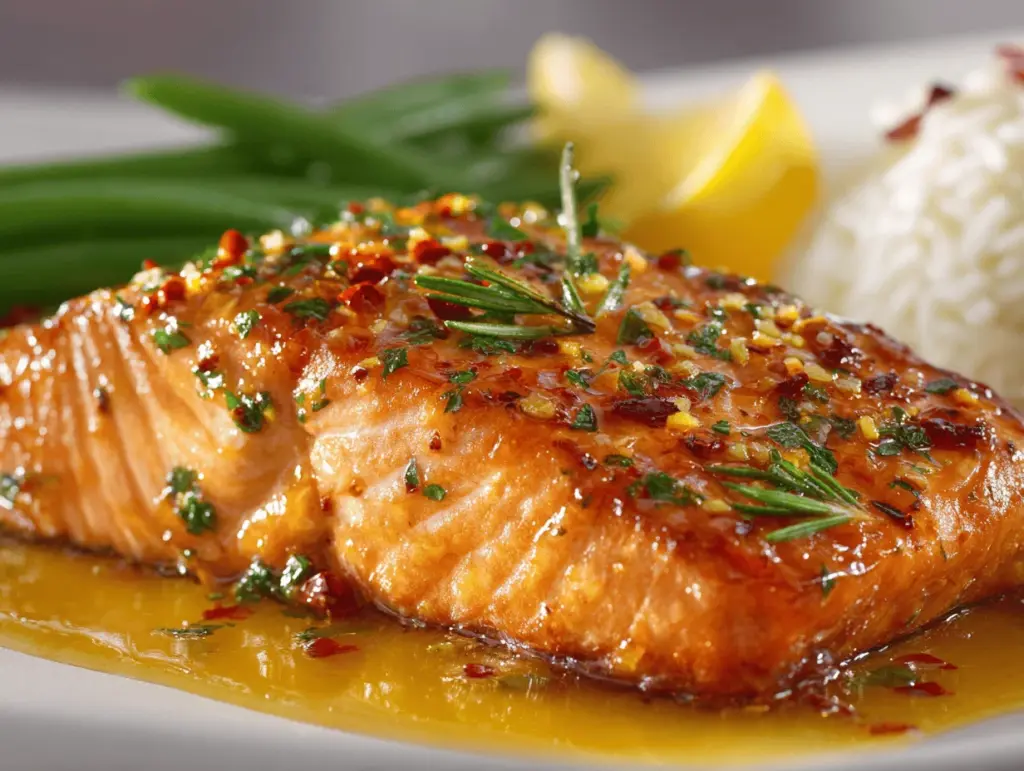
The first time I tasted Texas Roadhouse baked salmon, it was like a flavor explosion—sweet, savory, buttery, and just a little bit smoky. I still remember the glistening glaze caramelizing on top, mingling with the natural richness of the salmon. My fork slid through the flaky fish, and the glaze clung to every bite. Honestly, I knew right then I had to figure out how to make this at home. After a bunch of kitchen tests and a few happy accidents, I finally landed on the perfect copycat version—this irresistible Texas Roadhouse baked salmon with sweet & savory glaze. It’s become a staple in my kitchen, especially for quick weeknight dinners or when I want something a little special but totally fuss-free. If you love restaurant-quality salmon but crave the comfort of your own kitchen (and let’s face it—your own stretchy pants), this recipe is made for you.
Let me take you behind the scenes: I first started playing with this recipe during a week when my family begged for something lighter but still packed with flavor. I’ve tweaked the glaze more times than I care to admit, chasing that perfect balance of brown sugar, honey, a touch of soy, and a gentle whisper of garlic. And you know what? It’s totally doable with pantry basics. Whether you’re a salmon newbie or a seasoned pro, you’ll find this baked salmon both approachable and impressive. Plus, it’s kind to your waistline and your wallet—no need to head out to Texas Roadhouse every time you crave that signature sweet and savory kick. Trust me, once you try this, you’ll be making it again and again.
As someone who’s cooked a ton of salmon over the years (and eaten even more!), I can say with confidence: this Texas Roadhouse baked salmon recipe is truly irresistible. It’s one of those dishes that feels like a treat but fits right into your healthy routine. So, grab your apron, preheat your oven, and get ready to wow yourself—and your dinner table!
Why You’ll Love This Recipe
- Quick & Easy: This Texas Roadhouse baked salmon comes together in under 30 minutes—yep, that’s weeknight magic right there.
- Simple Ingredients: You don’t need to hunt down anything fancy. Most of the ingredients are probably already in your pantry or fridge.
- Perfect for Any Occasion: Whether it’s a cozy family dinner, a date night at home, or a meal to impress friends, this salmon fits the bill.
- Crowd-Pleaser: Kids love the sweet glaze, adults appreciate the sophisticated flavors, and everyone asks for seconds.
- Unbelievably Delicious: The sweet and savory glaze caramelizes beautifully, making each bite melt-in-your-mouth good. The salmon itself stays juicy and flaky—no dry fish here!
What really sets this recipe apart is the glaze. I’ve experimented with a lot of salmon glazes over the years, but this blend of brown sugar, honey, soy sauce, and spices delivers that iconic Texas Roadhouse taste. Blending the glaze ingredients before brushing them on ensures the flavors meld together, creating a silky, sticky coating that’s pure magic. You won’t get any weird aftertaste—just a perfect sweet-savory balance.
Another reason to love this recipe? It’s forgiving. I’ve tried it with both wild-caught and farmed salmon, and it always turns out great. Even if you forget to marinate (guilty as charged!), it still comes out delicious because the glaze packs such a punch. Plus, the oven method means less babysitting and more hands-off time to whip up sides or just relax. If you’ve ever ended up with overcooked, sad salmon, this recipe will restore your faith. Every time I serve it, someone inevitably asks for the recipe—and I take that as the highest compliment.
This Texas Roadhouse baked salmon is more than just a dinner—it’s a little act of self-care and celebration, all in one. If you’re looking for a dish that’s both comforting and a little bit special, this is it. Seriously, don’t be surprised if it becomes a new family favorite.
What Ingredients You Will Need
This recipe uses simple, wholesome ingredients to deliver bold flavor and a satisfying, restaurant-style texture without hassle. You’ll find that most of these items are pantry staples, and a few strategic swaps make it easy to customize for your needs.
- Salmon Fillets (4 pieces, 5-6 oz each, skin-on or skinless) – I recommend fresh, center-cut fillets for even cooking, but high-quality frozen works too (thaw before baking).
- Brown Sugar (2 tablespoons, packed) – Adds a caramelized sweetness that’s essential to the Texas Roadhouse glaze vibe.
- Honey (1 tablespoon) – Balances the savory notes and helps the glaze cling to the salmon.
- Soy Sauce (2 tablespoons, low-sodium preferred) – Brings salty depth and umami. For gluten-free, use tamari or coconut aminos.
- Lemon Juice (1 tablespoon, freshly squeezed) – Brightens everything up and cuts through the richness.
- Garlic Powder (1 teaspoon) – Gives just the right kick without overpowering the glaze.
- Paprika (1/2 teaspoon, smoked or sweet) – Adds subtle warmth and color. I love using smoked paprika for that extra layer of flavor.
- Black Pepper (1/4 teaspoon, freshly ground) – A little goes a long way to round out the glaze.
- Salt (1/2 teaspoon, or to taste) – Adjust if your soy sauce is especially salty.
- Olive Oil (1 tablespoon) – For brushing the baking pan and ensuring the salmon doesn’t stick. You can also use avocado oil or melted butter.
Optional Garnishes:
- Lemon Slices – For serving, adds a fresh pop of color and brightness.
- Fresh Parsley or Dill – Chopped herbs bring a little freshness and make the plate “pop.”
- Sesame Seeds – Sprinkle for visual appeal and a tiny crunch.
Ingredient Notes & Swaps:
- Salmon: Both Atlantic and sockeye salmon work well. I sometimes use steelhead trout as a budget-friendly alternative—it’s nearly indistinguishable in this recipe.
- Honey: Maple syrup is a fine substitute if that’s what you have on hand.
- Brown Sugar: Coconut sugar or turbinado sugar can be used for a less refined option.
- Soy Sauce: Opt for low-sodium to keep things balanced, or swap in tamari for gluten-free needs.
- Extra Flavor: Add a pinch of cayenne for heat, or a splash of Worcestershire for extra depth.
Honestly, this Texas Roadhouse baked salmon recipe is pretty forgiving—feel free to play around with the glaze ingredients to match your taste or what’s in your pantry. I’ve tried everything from agave to Dijon mustard as add-ins, and it’s always a hit.
Equipment Needed
- Baking Sheet or Baking Dish: A rimmed sheet pan or glass baking dish works great. I’ve used both; nonstick sheets make for easier cleanup.
- Parchment Paper or Aluminum Foil: For lining your pan and making cleanup a breeze. Parchment is my go-to, but well-oiled foil will do in a pinch.
- Small Mixing Bowl: For whisking together your sweet and savory glaze. Any medium-size bowl will work.
- Whisk or Fork: To blend the glaze ingredients until smooth.
- Basting Brush or Spoon: Silicone brushes are my favorite for even coverage, but a spoon is totally fine if you don’t have one.
- Measuring Spoons: Accurate measurements make all the difference with the glaze.
- Fish Spatula or Wide Turner: For serving—makes lifting the delicate salmon easier without breaking it.
If you’re just getting started, don’t worry about fancy gadgets. I’ve baked this salmon in a college dorm oven using just foil and a fork for mixing. If you use a glass dish, add a little extra oil to prevent sticking. For best results, wash and dry your baking sheet thoroughly after each use to avoid any lingering fishy smells. A silicone basting brush can be tossed in the dishwasher for hassle-free cleaning, too.
Preparation Method
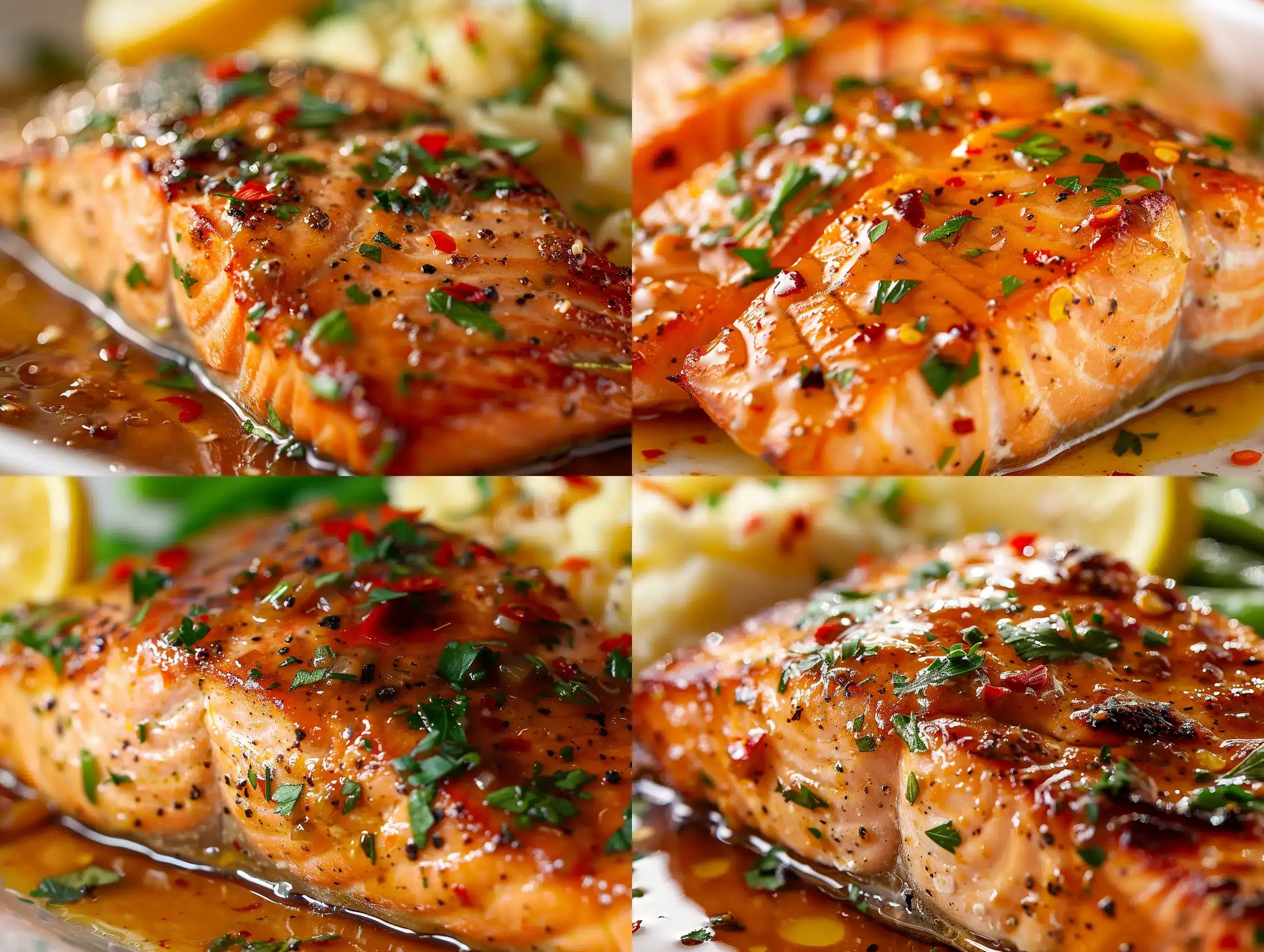
- Preheat Your Oven: Set your oven to 400°F (200°C). This higher temp helps the glaze caramelize and keeps the salmon juicy. While the oven preheats, line a baking sheet with parchment paper or foil and brush lightly with olive oil.
- Mix the Glaze: In a small bowl, whisk together 2 tablespoons brown sugar, 1 tablespoon honey, 2 tablespoons soy sauce, 1 tablespoon lemon juice, 1 teaspoon garlic powder, 1/2 teaspoon paprika, 1/4 teaspoon black pepper, and 1/2 teaspoon salt. Whisk until the sugar dissolves and it looks glossy and smooth. (If your honey is thick, microwave it for 10 seconds first—it’ll blend easier.)
- Prep the Salmon: Pat the salmon fillets dry with paper towels. This step helps the glaze stick and prevents steaming. Lay the fillets skin-side down on your prepared baking sheet, making sure they’re not crowded.
- Brush on the Glaze: Use a basting brush or back of a spoon to evenly coat each salmon fillet with the sweet and savory glaze. Reserve a tablespoon or so for later. Don’t worry if it pools a bit around the salmon—it’ll soak in while baking.
- Let It Sit (Optional): If you have 10-15 minutes, let the glazed salmon rest at room temperature. This helps the flavors soak in. Totally fine to skip if you’re in a rush—no judgment here!
- Bake: Slide the baking sheet onto the middle rack and bake for 12-15 minutes (for 1-inch thick fillets). Salmon is done when it flakes easily with a fork and the glaze looks bubbly and caramelized. If your fillets are thinner, check at 10 minutes. Thicker? Add 2-3 more minutes.
- Finish with Extra Glaze: Halfway through baking, brush the reserved glaze over the fillets for extra flavor and shine. (If you forget—happens to the best of us—just drizzle it on at the end.)
- Check for Doneness: Salmon is perfectly cooked at 145°F (63°C) internal temp. If you don’t have a thermometer, look for opaque flesh that flakes easily but is still moist in the center.
- Garnish and Serve: Use a spatula to gently lift the salmon onto plates. Sprinkle with parsley, dill, or sesame seeds, and add a lemon wedge on the side.
Notes & Troubleshooting: If your glaze seems thin, add a bit more brown sugar. If it’s too thick, a splash of water or lemon juice helps. For stuck-on salmon, let it cool for a minute before lifting. And don’t panic if the glaze darkens a bit around the edges—that’s caramelization, and it’s delicious.
Cooking Tips & Techniques
Over the years, I’ve learned a few tricks to guarantee perfect Texas Roadhouse baked salmon every time. Here’s what I wish I knew sooner:
- Pat the Salmon Dry: Seriously, don’t skip this. Excess moisture makes the glaze slide right off and can steam the salmon instead of letting it roast.
- Don’t Overbake: Salmon cooks fast, and overcooking is the easiest way to end up with dry, chalky fish. Start checking at the 10-minute mark, especially if your fillets are thin.
- Glaze Twice for Maximum Flavor: A mid-bake glaze brush gives you that sticky, caramelized finish that tastes like it came straight from Texas Roadhouse.
- Use Parchment for Easy Cleanup: I’ve made the mistake of using only oil and still had to scrub burnt glaze off my pans. Parchment saves your sanity.
- Let the Salmon Rest: Just a few minutes after baking helps the juices redistribute and keeps the fish moist.
- Temperature Matters: If your salmon is fridge-cold, add an extra minute or two to your baking time. Room temp salmon bakes more evenly.
- Multitasking: While the salmon bakes, prep a simple side salad or steam some veggies. That way, everything hits the table hot and fresh at the same time.
I’ve messed up salmon plenty—burnt glaze, overcooked edges, under-seasoned fillets. My best advice? Trust your senses. If it smells nutty and the glaze bubbles, you’re on the right track. And don’t be afraid of a little color on the edges—it adds flavor. If you’re nervous, use a thermometer and pull the salmon as soon as it hits 145°F (63°C).
Variations & Adaptations
One of the best things about this Texas Roadhouse baked salmon recipe is how easy it is to make it your own. Here are a few variations I’ve tried (and loved):
- Spicy Glaze: Add 1/4 teaspoon crushed red pepper flakes or a dash of sriracha to the glaze for a little heat. My husband loves this twist!
- Maple-Mustard Version: Swap honey for pure maple syrup and whisk in 1 teaspoon Dijon mustard. The tangy kick is awesome with roasted veggies.
- Citrus Herb: Add 1 teaspoon orange zest to the glaze and finish with chopped fresh dill or basil for a bright, summery take.
- Grill Option: You can grill the salmon on medium-high (about 400°F/200°C) for 4-5 minutes per side. Use a grill mat or foil to keep the glaze from dripping through the grates.
- Air Fryer Method: Bake at 390°F (200°C) for 8-10 minutes—great for small batches and crispier edges.
- Gluten-Free: Use tamari or coconut aminos instead of soy sauce and double-check your other ingredients.
- Dairy-Free: This recipe is naturally dairy-free unless you use butter for oiling the pan.
- Allergen Alert: For soy allergy, coconut aminos are a safe swap. Always check your labels for hidden gluten or allergens.
My favorite personal adaptation? I once added a teaspoon of gochujang (Korean chili paste) for a sticky-spicy glaze that was out of this world. Feel free to experiment and let your taste buds lead the way!
Serving & Storage Suggestions
This Texas Roadhouse baked salmon is best served hot, straight from the oven. The glaze is at its most luscious and sticky right after baking. For a pretty presentation, arrange the fillets on a platter, sprinkle with fresh herbs, and add lemon wedges for brightness.
Perfect Pairings: I love serving this salmon with garlic mashed potatoes, steamed green beans, or a fresh arugula salad. Rice pilaf or roasted asparagus are also great sides. For drinks, a crisp white wine or sparkling water with lemon works wonders.
Storage: Leftovers keep well in an airtight container in the refrigerator for up to 3 days. If you want to freeze, wrap cooked salmon tightly and store for up to 2 months. Thaw overnight in the fridge before reheating.
Reheating Tips: To keep the salmon moist, reheat gently in the oven at 300°F (150°C) for 8-10 minutes, or microwave on 50% power in short bursts. Add a splash of lemon juice or a drizzle of olive oil before reheating to freshen things up. The flavors deepen over time, so leftovers are honestly a treat (try flaking it cold over salads for lunch!).
Nutritional Information & Benefits
Each serving of this Texas Roadhouse baked salmon (about 6 ounces) contains approximately 350 calories, 30g protein, 15g healthy fats, and 15g carbohydrates (mainly from the glaze). It’s a powerhouse for omega-3 fatty acids, thanks to the salmon, which supports heart and brain health. The sweet and savory glaze keeps things flavorful without overwhelming your daily sugar goals.
This recipe is naturally gluten-free (with tamari) and dairy-free, making it a solid choice for a variety of diets. Be mindful of soy if you have allergies, and always check labels for hidden gluten. From a wellness angle, I love how satisfying this dish is without feeling heavy—you get tons of protein, good fats, and just enough sweetness to keep it interesting.
Conclusion
There’s a reason this Texas Roadhouse baked salmon recipe has become a weeknight hero and special-occasion favorite in my house. The sweet and savory glaze is simple but restaurant-worthy, and the entire dish is ready in half an hour. It’s the kind of meal that feels like a treat but fits into a healthy routine with ease.
Don’t be afraid to play with the glaze or swap in your favorite sides. This recipe is all about making salmon approachable and delicious—your way. I love sharing it with friends and family, especially when I want a meal that feels a little special but doesn’t require hours in the kitchen.
If you try this Texas Roadhouse baked salmon, let me know how it turns out! Share your variations, leave a comment, or pin it for later. Most importantly, enjoy every sweet, savory, flaky bite—you deserve it!
Frequently Asked Questions
Can I use frozen salmon for this recipe?
Absolutely! Just make sure to thaw the salmon completely and pat it dry before glazing and baking. This helps the glaze stick and ensures even cooking.
How do I know when the salmon is fully cooked?
The salmon is done when it flakes easily with a fork and the flesh turns opaque. For best results, use a thermometer—the internal temp should be 145°F (63°C).
Can I make the glaze ahead of time?
Yes! You can mix the glaze up to 3 days in advance. Store it in an airtight container in the fridge and give it a good stir before using.
What sides go best with Texas Roadhouse baked salmon?
I love serving it with garlic mashed potatoes, roasted veggies, or a crisp green salad. Rice or steamed asparagus are also fantastic choices.
Is this recipe suitable for meal prep?
Definitely! The baked salmon keeps well in the fridge for up to 3 days and makes great leftovers for salads, sandwiches, or grain bowls. Just reheat gently to keep it moist.
Pin This Recipe!
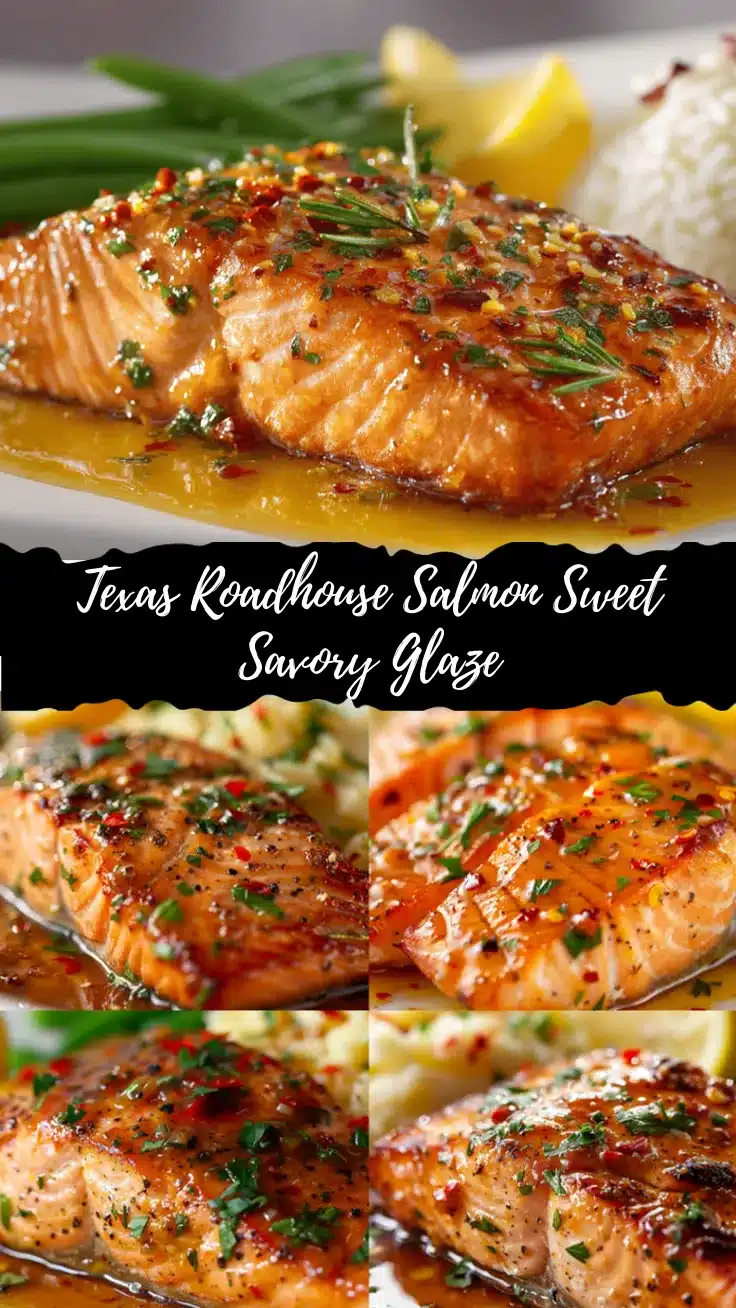
Texas Roadhouse Baked Salmon Recipe – Easy Sweet & Savory Glaze
This copycat Texas Roadhouse baked salmon features a sweet and savory glaze made with brown sugar, honey, soy sauce, and spices. It’s quick, easy, and delivers restaurant-quality flavor in under 30 minutes—perfect for weeknight dinners or special occasions.
- Prep Time: 10 minutes
- Cook Time: 15 minutes
- Total Time: 25 minutes
- Yield: 4 servings 1x
- Category: Main Course
- Cuisine: American
Ingredients
- 4 salmon fillets (5–6 oz each, skin-on or skinless)
- 2 tablespoons brown sugar, packed
- 1 tablespoon honey
- 2 tablespoons soy sauce (low-sodium preferred, or tamari/coconut aminos for gluten-free)
- 1 tablespoon lemon juice, freshly squeezed
- 1 teaspoon garlic powder
- 1/2 teaspoon paprika (smoked or sweet)
- 1/4 teaspoon black pepper, freshly ground
- 1/2 teaspoon salt, or to taste
- 1 tablespoon olive oil (for brushing pan; or avocado oil/melted butter)
- Optional: lemon slices (for serving)
- Optional: fresh parsley or dill, chopped (for garnish)
- Optional: sesame seeds (for garnish)
Instructions
- Preheat your oven to 400°F (200°C). Line a baking sheet with parchment paper or foil and brush lightly with olive oil.
- In a small bowl, whisk together brown sugar, honey, soy sauce, lemon juice, garlic powder, paprika, black pepper, and salt until smooth and glossy.
- Pat the salmon fillets dry with paper towels. Place them skin-side down on the prepared baking sheet, spaced apart.
- Brush each salmon fillet evenly with the glaze, reserving about a tablespoon for later.
- Optional: Let the glazed salmon rest at room temperature for 10-15 minutes to allow flavors to soak in.
- Bake on the middle rack for 12-15 minutes (for 1-inch thick fillets), or until the salmon flakes easily with a fork and the glaze is bubbly and caramelized. Adjust time for thinner or thicker fillets.
- Halfway through baking, brush the reserved glaze over the fillets for extra flavor and shine.
- Check for doneness: salmon should reach an internal temperature of 145°F (63°C) and be opaque and moist.
- Garnish with parsley, dill, sesame seeds, and lemon slices. Serve immediately.
Notes
Pat salmon dry before glazing for best results. Don’t overbake—start checking at 10 minutes for thinner fillets. Glaze twice for extra flavor. Use parchment for easy cleanup. Let salmon rest a few minutes after baking for juicier results. For gluten-free, use tamari or coconut aminos instead of soy sauce. Leftovers keep well for up to 3 days in the fridge.
Nutrition
- Serving Size: 1 salmon fillet (about 6 oz)
- Calories: 350
- Sugar: 13
- Sodium: 600
- Fat: 15
- Saturated Fat: 2
- Carbohydrates: 15
- Protein: 30
Keywords: Texas Roadhouse, baked salmon, sweet glaze, savory glaze, easy salmon, copycat recipe, weeknight dinner, healthy salmon, gluten-free, dairy-free