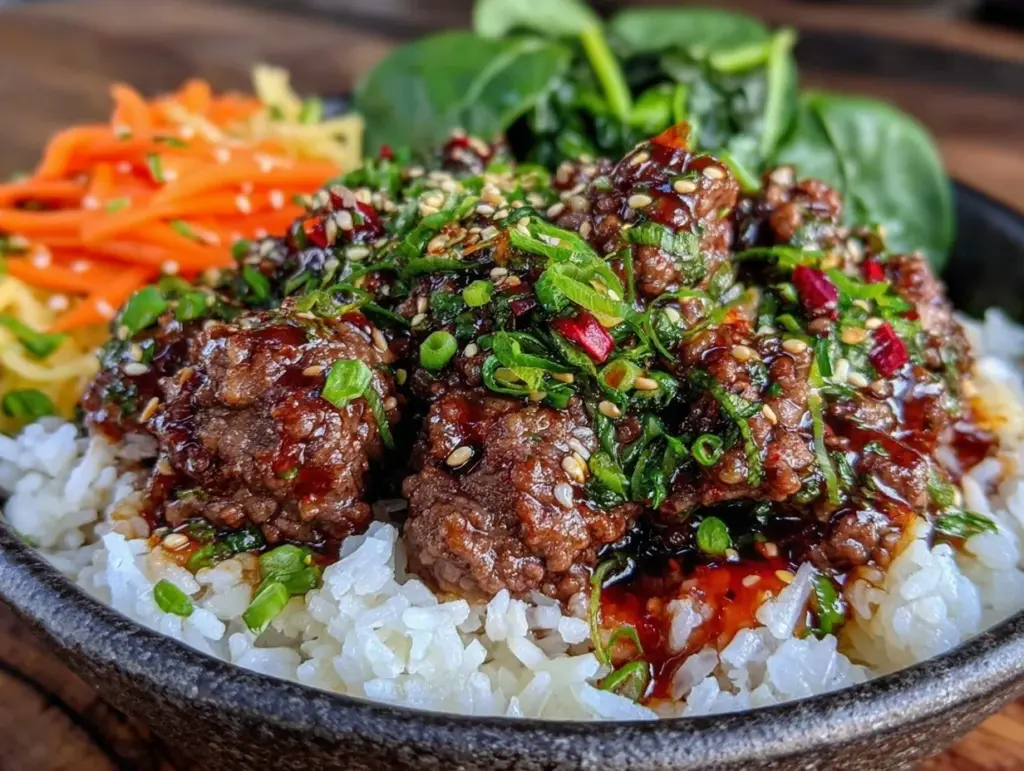
“Hey, what’s for dinner tonight?” my roommate called from the living room, as I shuffled through the fridge looking for inspiration. Honestly, it had been one of those days where everything felt just a bit off—too tired to think about complex meals, but also too hungry to settle for plain cereal. That’s when I stumbled upon the idea for these flavorful Korean ground beef rice bowls with gochujang sauce. I wasn’t even sure if I had all the ingredients, but I figured, why not wing it and see how it turns out?
By the time I plated everything, the kitchen smelled like a bustling Seoul street market, and the vibrant red gochujang sauce gave the dish a fiery kick that woke up my taste buds instantly. The mix of savory, slightly sweet, and spicy notes was surprisingly comforting, and it hit the spot better than any takeout ever could. What really got me hooked was how quickly it came together—perfect for nights when you just want something hearty without the hassle.
Since that night, I’ve made these rice bowls several times, tweaking the sauce and swapping veggies depending on what’s in the fridge. Each time, it feels like a small, flavorful adventure that doesn’t demand much effort but rewards with big taste. It’s funny how a random, low-key dinner can become a favorite, right? This recipe stuck with me because it’s not just dinner—it’s a little moment of joy after a long day, a reminder that simple food can be incredibly satisfying.
Why You’ll Love This Recipe
Let’s be real, Korean ground beef rice bowls with gochujang sauce hit all the right notes, and here’s why this recipe stands out from the rest:
- Quick & Easy: Ready in under 30 minutes, this dish is perfect for busy weeknights or when you want a flavorful meal without the fuss.
- Simple Ingredients: No need to hunt down exotic items—most of the ingredients are pantry staples or easy-to-find basics.
- Perfect for Any Occasion: Whether it’s a solo dinner, a casual family meal, or a last-minute guest, this bowl feels special yet approachable.
- Crowd-Pleaser: The combo of savory ground beef with the spicy-sweet gochujang sauce gets rave reviews—kids and adults alike can’t get enough.
- Unbelievably Delicious: The sauce’s balanced heat with a hint of sweetness creates a comforting flavor that makes you close your eyes after the first bite.
This isn’t just another quick beef bowl. I’ve put care into perfecting the homemade gochujang sauce—it’s tangy, spicy, and slightly sweet, made with real ingredients rather than store-bought shortcuts. Plus, the way the beef is cooked with garlic and ginger gives it a depth of flavor that truly makes it sing. I also appreciate how adaptable this recipe is—I often swap out the rice for cauliflower rice or add some quick-pickled veggies for extra zing.
Honestly, it’s the kind of dish that’s both comforting and exciting, the kind you want to make over and over. It’s like comfort food reimagined with a punch, and you don’t have to stress about complicated steps or ingredients. If you like dishes that balance heat and sweetness effortlessly, this bowl will become a staple in your rotation.
What Ingredients You Will Need
This recipe uses simple, wholesome ingredients to deliver bold flavors and a satisfying texture without too much fuss. Most of these are pantry staples, plus a few fresh items that you might already have on hand.
- Ground Beef: 1 pound (450 g) of lean ground beef (85% lean is perfect for flavor without too much grease)
- Gochujang Sauce:
- 2 tablespoons gochujang (Korean chili paste) – this is the star spice, but adjust to your heat preference
- 1 tablespoon soy sauce (I like Kikkoman for that balanced saltiness)
- 1 tablespoon honey or brown sugar (for a touch of sweetness)
- 1 teaspoon toasted sesame oil (adds a nutty aroma)
- 1 teaspoon rice vinegar (brightens the sauce)
- 1 garlic clove, minced (aromatic punch)
- 1 teaspoon grated fresh ginger (optional, but recommended for warmth)
- For Cooking:
- 1 tablespoon vegetable or canola oil (for sautéing)
- 1 small onion, finely chopped (adds sweetness and texture)
- Salt and freshly ground black pepper, to taste
- Rice: 2 cups cooked jasmine or short-grain rice (about 400 g cooked) – sticky rice works best for that authentic texture
- Optional Toppings:
- Thinly sliced green onions (for a fresh bite)
- Sesame seeds (toasty crunch)
- Julienned carrots or cucumber (adds crispness)
- Quick-pickled radishes or kimchi (for tang and spice)
- A fried egg on top (because, why not?)
If you don’t have gochujang handy, you can mix a teaspoon of chili paste with a bit of miso and honey as a last-minute workaround, but the authentic flavor really shines with real gochujang. Feel free to swap ground turkey or chicken for a leaner option, but keep in mind the beef’s rich flavor pairs best with the sauce.
Equipment Needed
- Large non-stick or cast iron skillet – for browning the ground beef evenly
- Mixing bowl – to whisk together your gochujang sauce ingredients
- Measuring spoons and cups – for accurate seasoning
- Sharp knife and cutting board – for prepping onions and toppings
- Rice cooker or pot – to prepare the rice (I swear by my rice cooker for foolproof results)
You don’t need any special or expensive tools here. If you don’t have a rice cooker, cooking rice on the stove works just fine—just keep an eye on the water ratio and cooking time. A cast iron skillet does wonders for browning the beef well, but if you only have a regular pan, that’s totally okay too. Just avoid overcrowding the pan to get a nice sear.
Preparation Method
- Cook the Rice: Prepare 2 cups of rice according to package instructions (about 1 cup of uncooked rice). This usually takes 15-20 minutes. Fluff with a fork and keep warm. If you want to prep ahead, rice holds well in the fridge for 2-3 days.
- Make the Gochujang Sauce: In a small bowl, whisk together 2 tablespoons gochujang, 1 tablespoon soy sauce, 1 tablespoon honey or brown sugar, 1 teaspoon toasted sesame oil, 1 teaspoon rice vinegar, minced garlic, and grated ginger if using. Taste and adjust sweetness or heat as needed. This sauce should be thick but pourable.
- Sauté Aromatics: Heat 1 tablespoon vegetable oil in a large skillet over medium-high heat. Add the finely chopped onion and cook for 3-4 minutes until translucent and fragrant.
- Brown the Ground Beef: Add 1 pound (450 g) ground beef to the skillet with onions. Break it apart with a spatula and cook for 6-8 minutes until fully browned and no longer pink. Season with salt and pepper. Drain excess fat if necessary, but a little fat helps keep the beef juicy.
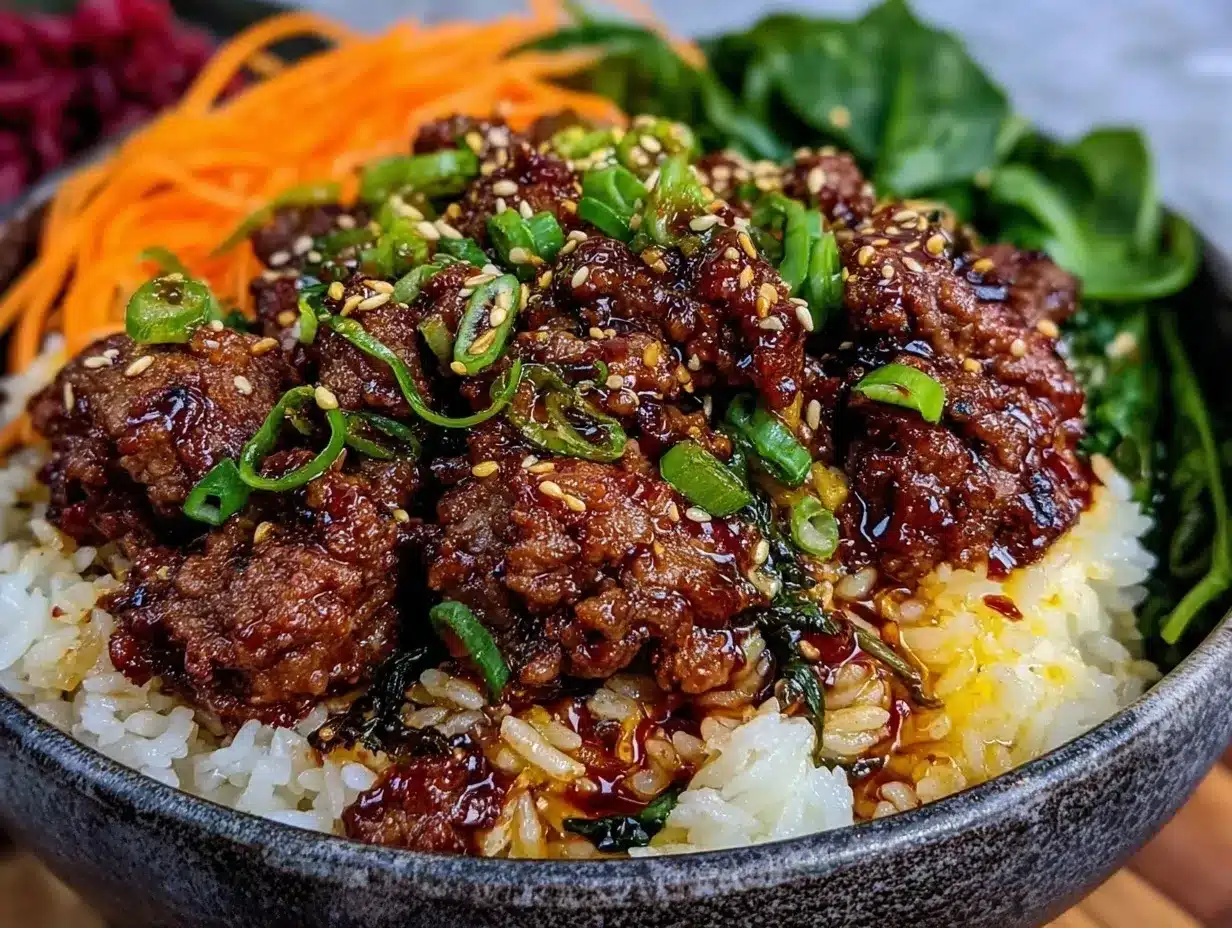
- Combine Beef and Sauce: Pour the gochujang sauce over the browned beef in the skillet. Stir well to coat the meat evenly. Let it cook together for 2-3 minutes, allowing the sauce to thicken slightly and infuse the beef with flavor. You’ll notice a deep, glossy red coating—this is where the magic happens.
- Prepare Toppings: While the beef simmers, slice green onions, toast some sesame seeds in a dry pan for 1-2 minutes, and prep any quick pickles or fresh veggies you want to add.
- Assemble the Bowls: Spoon warm rice into bowls, top generously with the spicy beef mixture, then add your chosen toppings. If you want to get fancy, crack a fried egg on top and let the yolk mingle with the beef and rice.
Pro tip: If your sauce feels too thick during cooking, splash in a tablespoon of water to loosen it without diluting the flavor. Also, keep tasting as you go—the balance between sweet, salty, and spicy is key, so don’t shy away from tweaking the sauce to your liking.
Cooking Tips & Techniques
Cooking ground beef with gochujang sauce is straightforward, but a few insider tricks make all the difference:
- Don’t Rush Browning: Let the beef sit in the hot pan for a bit before stirring. This helps develop those little browned bits that add deep flavor.
- Drain Excess Fat Wisely: Too much grease can weigh down the dish, but some fat keeps the beef juicy and prevents dryness.
- Balance the Sauce: Gochujang can be spicy and salty, so balancing it with a sweetener and vinegar brightens the overall flavor.
- Use Fresh Aromatics: Fresh garlic and ginger elevate the dish beyond just a quick stir-fry.
- Multitask Efficiently: While the beef cooks, prep your rice and toppings to save time. This is a great skill I’ve learned from making dishes like the million dollar spaghetti—timing is everything.
One time, I accidentally added too much gochujang and nearly ruined the batch, but a splash of extra honey and vinegar saved it. Trust me, don’t be afraid to tweak as you cook. Also, if you want to add a smoky note, a quick char in a hot pan before mixing the sauce really works wonders.
Variations & Adaptations
This recipe is pretty flexible and can be adapted in several ways to suit your taste or dietary needs:
- Protein Swaps: Use ground turkey, chicken, or even finely chopped mushrooms for a vegetarian twist. For extra protein punch, top with a soft-boiled egg or tofu cubes.
- Rice Alternatives: Try cauliflower rice for a low-carb option or quinoa for a nutty flavor. Sticky sushi rice also works beautifully.
- Spice Level: Adjust the gochujang amount to control the heat. For milder versions, mix in some mayo or plain yogurt before serving.
- Seasonal Veggies: Add quick-pickled cucumbers in summer or roasted sweet potatoes in cooler months for additional texture and flavor.
- Cooking Methods: You can bake the ground beef mixture in a casserole dish topped with cheese for a Korean-inspired shepherd’s pie twist.
Personally, I once tried mixing in kimchi right into the beef during cooking, which added a terrific tang and extra depth. It paired nicely with the sauce and made it feel more like a full Korean BBQ experience right at home.
Serving & Storage Suggestions
These Korean ground beef rice bowls are best served hot, straight from the skillet. The contrast of warm, spicy beef with the fluffy rice and crisp toppings makes every bite satisfying.
For presentation, I like to sprinkle toasted sesame seeds and green onions on top with a side of quick-pickled vegetables for brightness. A cold glass of iced green tea or a light beer complements the spicy flavors nicely.
Leftovers keep well in an airtight container in the refrigerator for up to 3 days. To reheat, warm gently in a skillet or microwave, adding a sprinkle of water to prevent drying out. The flavors often deepen overnight, making it even better the next day.
If you want to meal prep, cook the beef and rice separately, then assemble bowls just before eating to keep textures fresh. This method is something I’ve borrowed from prepping other dishes like the Thai basil chicken—it saves loads of time during busy weekdays.
Nutritional Information & Benefits
One serving of these Korean ground beef rice bowls (about one-third of the recipe) provides approximately:
| Calories | 450-500 kcal |
|---|---|
| Protein | 28 g |
| Carbohydrates | 45 g |
| Fat | 15 g |
| Fiber | 2-3 g |
Key benefits include protein-packed ground beef which supports muscle health, and the gochujang sauce which contains fermented ingredients that may aid digestion. The dish is naturally gluten-free if you use tamari instead of soy sauce, and you can lower carbs by swapping rice for cauliflower rice.
For those mindful of sodium, adjusting soy sauce amounts and rinsing pickled toppings can help reduce salt. Incorporating fresh veggies adds fiber and vitamins, balancing the meal nutritionally.
Conclusion
This flavorful Korean ground beef rice bowl with gochujang sauce is a winning recipe because it combines simple ingredients with bold, satisfying flavors that come together quickly. It’s the kind of meal that feels special but doesn’t demand hours in the kitchen, making it perfect for anyone juggling busy days and craving something tasty.
Feel free to tweak the spice levels, swap proteins, or add your favorite veggies to make it truly yours. I love this recipe because it’s reliably delicious every time and brings a touch of Korean comfort food warmth to my table.
If you try it, I’d love to hear how you made it your own—drop a comment or share your twists. Cooking should always be fun, flavorful, and a little adventurous, right? Here’s to many cozy dinners filled with bold flavors and happy taste buds!
Frequently Asked Questions
What is gochujang and can I substitute it?
Gochujang is a Korean fermented chili paste that’s spicy, sweet, and savory. If you don’t have it, you can mix chili paste with a bit of miso and honey, but the authentic flavor really comes from real gochujang.
Can I make this recipe gluten-free?
Yes! Use tamari or a gluten-free soy sauce instead of regular soy sauce, and double-check that your gochujang brand is gluten-free.
How spicy is this dish?
The heat level depends on how much gochujang you use. Start with less if you prefer milder flavors and add more to taste.
Can I prepare this recipe ahead of time?
Absolutely. Cook the beef and rice separately, store them in the fridge, then assemble bowls when ready to eat. The flavors often taste even better the next day.
What sides go well with Korean ground beef rice bowls?
Simple sides like steamed or pickled vegetables, kimchi, or a fresh cucumber salad complement the dish nicely. Also, a fried egg on top adds richness and balances the spice.
Pin This Recipe!
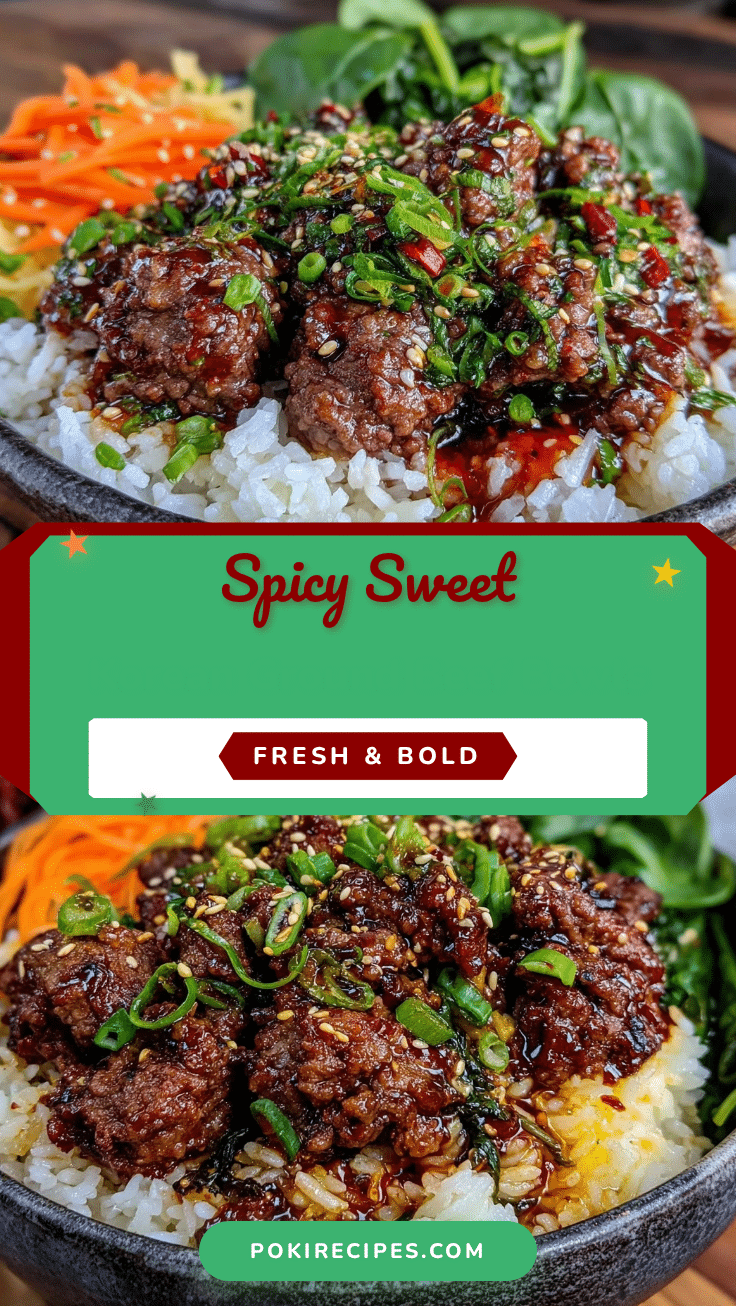
Flavorful Korean Ground Beef Rice Bowls Easy Homemade Gochujang Sauce Recipe

A quick and easy Korean ground beef rice bowl featuring a homemade gochujang sauce that balances spicy, sweet, and savory flavors. Perfect for busy weeknights and adaptable to various dietary preferences.
- Prep Time: 10 minutes
- Cook Time: 20 minutes
- Total Time: 30 minutes
- Yield: 3 servings 1x
- Category: Main Course
- Cuisine: Korean
Ingredients
- 1 pound lean ground beef (85% lean)
- 2 tablespoons gochujang (Korean chili paste)
- 1 tablespoon soy sauce (or tamari for gluten-free)
- 1 tablespoon honey or brown sugar
- 1 teaspoon toasted sesame oil
- 1 teaspoon rice vinegar
- 1 garlic clove, minced
- 1 teaspoon grated fresh ginger (optional)
- 1 tablespoon vegetable or canola oil
- 1 small onion, finely chopped
- Salt and freshly ground black pepper, to taste
- 2 cups cooked jasmine or short-grain rice (about 400 g cooked)
- Optional toppings: thinly sliced green onions, sesame seeds, julienned carrots or cucumber, quick-pickled radishes or kimchi, fried egg
Instructions
- Cook 2 cups of rice according to package instructions (about 1 cup uncooked). Fluff with a fork and keep warm.
- In a small bowl, whisk together gochujang, soy sauce, honey or brown sugar, toasted sesame oil, rice vinegar, minced garlic, and grated ginger if using. Adjust sweetness or heat as needed.
- Heat vegetable oil in a large skillet over medium-high heat. Add chopped onion and cook for 3-4 minutes until translucent and fragrant.
- Add ground beef to the skillet with onions. Break apart and cook for 6-8 minutes until fully browned. Season with salt and pepper. Drain excess fat if necessary.
- Pour the gochujang sauce over the browned beef. Stir well to coat evenly and cook for 2-3 minutes until sauce thickens slightly.
- Prepare toppings: slice green onions, toast sesame seeds, and prep any quick pickles or fresh veggies.
- Assemble bowls by spooning warm rice into bowls, topping with spicy beef mixture, and adding chosen toppings. Optionally, add a fried egg on top.
Notes
If sauce is too thick during cooking, add a tablespoon of water to loosen without diluting flavor. Adjust gochujang amount to control spice level. Drain excess fat but keep some for juiciness. Can swap ground beef for turkey, chicken, or mushrooms for variation. Use tamari for gluten-free version. Rice can be substituted with cauliflower rice or quinoa.
Nutrition
- Serving Size: Approximately one-th
- Calories: 475
- Sugar: 8
- Sodium: 600
- Fat: 15
- Saturated Fat: 6
- Carbohydrates: 45
- Fiber: 2.5
- Protein: 28
Keywords: Korean ground beef, gochujang sauce, rice bowl, quick dinner, easy recipe, spicy beef bowl, homemade sauce