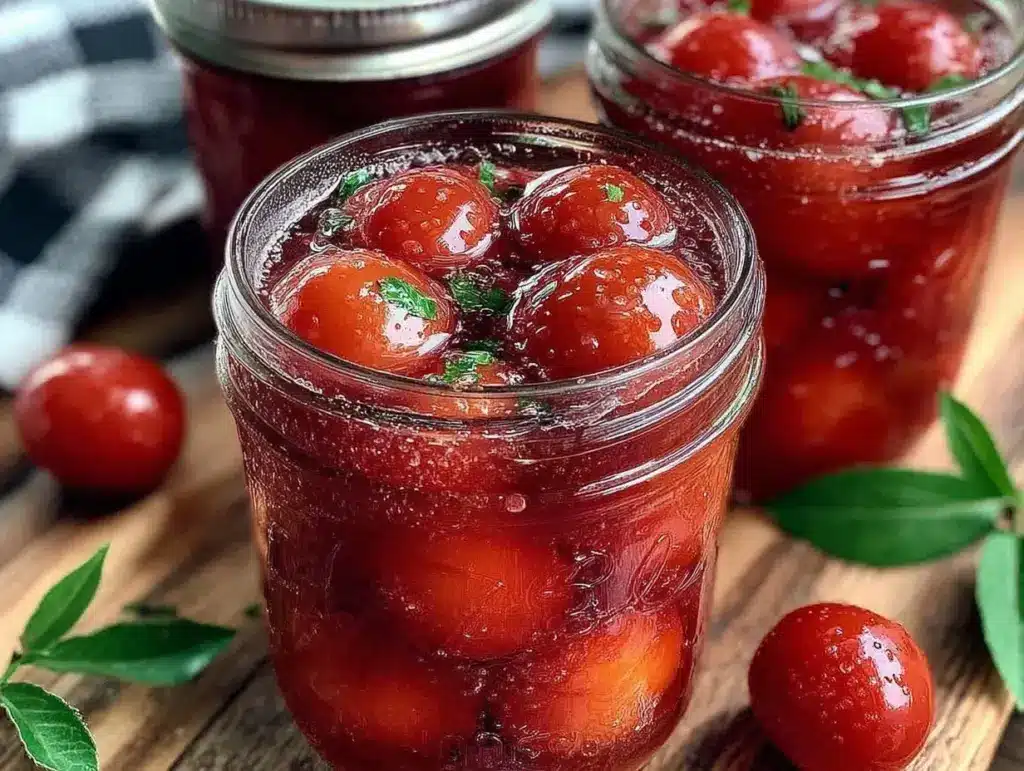
Scrambling through the kitchen with a half-full basket of bright red tomatoes and a ticking clock—that’s when the idea hit me. The usual grocery run had fallen through, and with dinner guests arriving in less than an hour, I needed a quick way to save the harvest before it spoiled. Honestly, canning whole tomatoes wasn’t something I’d tackled before, but the urgency turned it into a mad dash of peeling, packing, and boiling that somehow ended in a batch of perfectly preserved jars lined up on the counter.
The scent of simmering tomatoes filled the air, mingling with the faint hum of the pressure canner, while I kept glancing at the clock, hoping the timing was right. It was messy, a little frantic, and honestly, I wasn’t sure if the jars would seal properly. Yet, by the time the last jar clicked shut, I felt this quiet pride—like I’d just bottled summer itself.
This easy homemade whole tomatoes canning guide is born from that chaotic evening and many that followed. It captures the simplicity of preserving fresh tomatoes without fuss or complicated steps, making it approachable for anyone who’s ever stared down a pile of ripe tomatoes and wondered, “How do I keep these for later?” It’s not about perfection, but about turning what you have into delicious, ready-to-use preserves for soups, sauces, or quick weeknight meals.
So, if you’ve got a stash of garden tomatoes or found a great deal at the market, this guide will walk you through five simple steps to get those whole tomatoes canned just right. It stuck with me because it’s practical, a little messy, and absolutely worth the effort when you crack open a jar months later. You’ll come to trust that modest jar of goodness like I do—ready to add a splash of comfort and flavor any time you need it.
Why You’ll Love This Recipe
Getting into homemade canning can feel intimidating, but this easy homemade whole tomatoes canning guide breaks it down in a way that anyone can follow—even if you’re juggling a million things (like me, always). After testing numerous batches, here’s why this method became my go-to:
- Quick & Easy: The entire process comes together in about 90 minutes, which is perfect for busy days when you want to preserve your tomato haul without dedicating an entire afternoon.
- Simple Ingredients: You only need ripe whole tomatoes, lemon juice or citric acid, water, and a pinch of salt if desired. No fancy additives or preservatives—just pure, fresh flavor.
- Perfect for Any Occasion: Whether you’re prepping for winter stews, making homemade pizza sauce, or need a pantry staple for quick dinners, these canned tomatoes have your back.
- Crowd-Pleaser: Friends and family love the freshness and texture of whole canned tomatoes compared to store-bought crushed or diced versions. They hold up beautifully in recipes.
- Unbelievably Delicious: The tomatoes retain their vibrant taste and firm texture, thanks to the gentle hot water bath canning method. It’s like capturing summer in a jar.
This recipe isn’t just another version you’ll find floating around online. I’ve fine-tuned the peeling technique to save time and reduce waste, and I add just the right amount of acidity to keep the jars safe without making your tomatoes taste sour. It’s a straightforward approach that’s friendly to novices and satisfying for seasoned home preservers alike.
Honestly, this recipe makes canning approachable, with tips that cut out the guesswork. It’s the kind of guide that helps you build confidence one jar at a time, turning a pile of tomatoes into a shelf full of sunshine you can enjoy all year. And if you’re curious about quick, protein-packed breakfasts to power through your canning days, you might appreciate the egg muffins for meal prep I rely on before starting any kitchen project.
What Ingredients You Will Need
This recipe uses simple, wholesome ingredients to deliver bold flavor and satisfying texture without the fuss. You’ll find most of these already in your kitchen or easily available at local markets during tomato season.
- Fresh Whole Tomatoes (about 10 pounds / 4.5 kilograms) – Choose firm, ripe tomatoes like Roma or plum varieties that hold up well during canning.
- Fresh Lemon Juice (1/4 cup / 60 ml per quart jar) – Adds necessary acidity for safe preservation; use bottled if fresh isn’t available.
- Water – For blanching tomatoes and filling jars.
- Non-Iodized Salt (optional, 1 teaspoon per quart) – Enhances flavor; use canning or kosher salt without additives.
Ingredient Tips: I prefer locally grown tomatoes when possible—they tend to have better flavor and fewer preservatives. When tomatoes aren’t at peak freshness, avoid canning as the texture can suffer. If you want to experiment with a bit of sweetness, a pinch of sugar can be added, but it’s not necessary.
Substitutions: If you want to skip lemon juice, citric acid powder (1/2 teaspoon per quart) works well and is shelf-stable. For salt-free versions, just omit the salt completely.
For a little inspiration on how these tomatoes can be transformed into hearty meals later, try pairing your canned tomatoes with recipes like loaded baked potato soup or use them to enhance a savory dump Mississippi chicken—both dishes that really let preserved tomatoes shine.
Equipment Needed
- Large Stockpot or Water Bath Canner: Essential for processing jars safely. A 16-quart water bath canner works great for standard quart jars.
- Jar Lifter: For safely removing hot jars from boiling water without risking burns.
- Wide-Mouth Canning Jars: Quart or pint size; I recommend trusted brands like Ball or Kerr for reliable seals.
- Lid and Band Sets: Use new lids for each canning session to ensure proper sealing. Bands can be reused if undamaged.
- Large Bowl or Pot: For blanching tomatoes in boiling water.
- Slotted Spoon or Tongs: To transfer tomatoes from hot water to ice bath quickly.
- Funnel: A wide-mouth funnel helps fill jars cleanly without spills.
- Clean Towels: Useful for wiping jar rims and handling hot jars.
If you don’t own a dedicated water bath canner, a deep, wide pot with a rack at the bottom can work as a budget-friendly alternative. Just make sure the water covers the jars by at least an inch. Over the years, I’ve learned that a good jar lifter is worth every penny—dropping a hot jar into boiling water is a nightmare you don’t want to risk!
Preparation Method
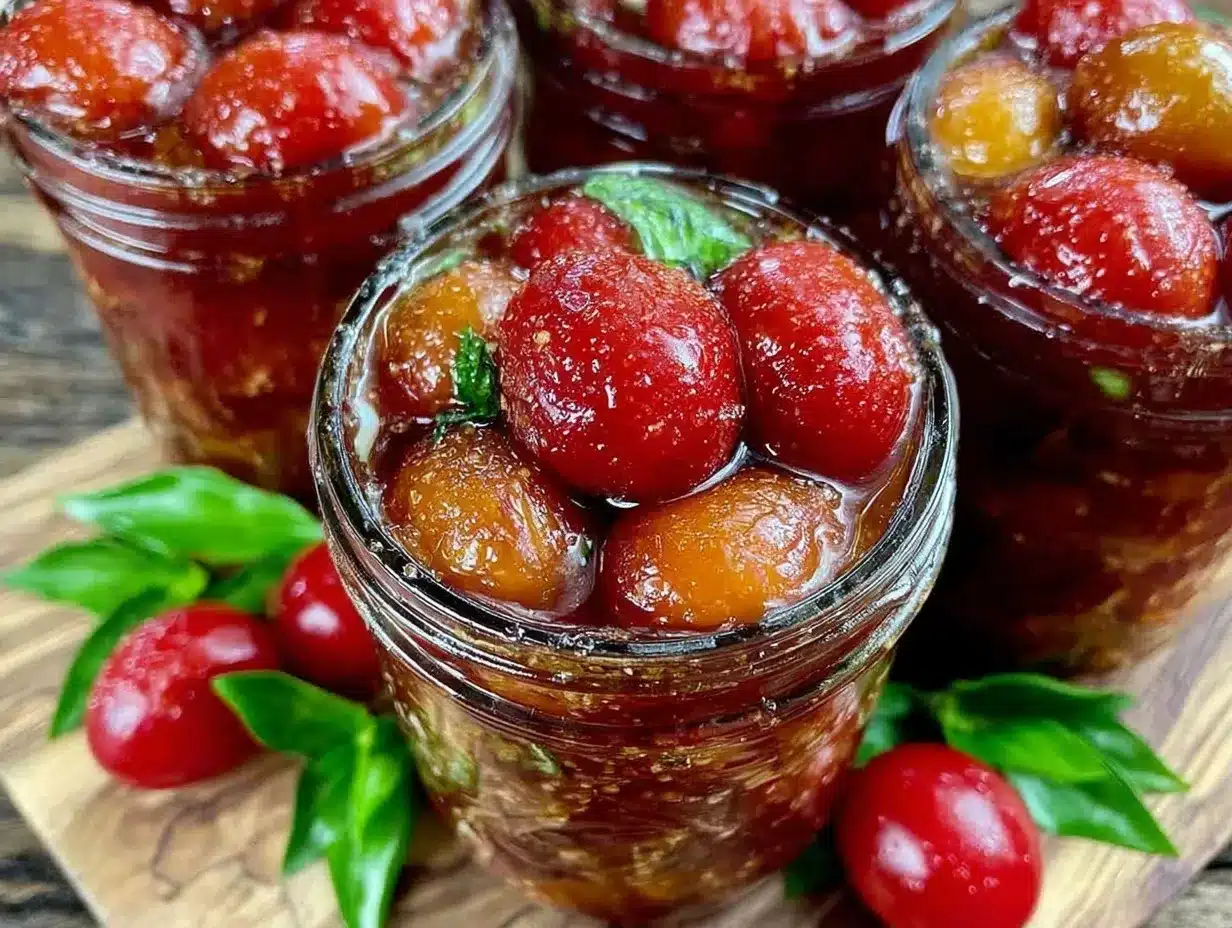
- Prepare Your Jars and Lids: Wash jars, lids, and bands in hot soapy water. Rinse well. Keep jars warm in a pot of simmering water to prevent cracking when filled (about 170°F / 77°C). Lids should be kept in hot, but not boiling, water to soften sealing compound.
- Wash and Blanch Tomatoes: Rinse tomatoes thoroughly. Boil water in a large pot. Drop tomatoes in batches for 30-60 seconds until skins crack. Immediately transfer to an ice water bath to stop cooking. This loosens the skins for easy peeling.
- Peel and Core Tomatoes: Slip skins off each tomato with your fingers or a paring knife. Remove any tough core parts. Keep tomatoes whole but check for bruises or imperfections and discard as needed.
- Fill Jars: Add 1 tablespoon fresh lemon juice (or ½ teaspoon citric acid) per pint jar, or 2 tablespoons lemon juice per quart jar. If using salt, add ½ teaspoon per pint or 1 teaspoon per quart. Pack tomatoes gently into jars, leaving ½ inch (1.3 cm) headspace. Pour boiling water over tomatoes, covering them completely while maintaining headspace. Remove air bubbles with a non-metallic spatula.
- Seal and Process: Wipe rims with a clean damp cloth. Place lids and screw bands on jars fingertip-tight (not too tight). Place jars in your water bath canner with water covering jars by at least 1 inch. Boil for 40 minutes for pints, 45 minutes for quarts (adjust time for altitude). Remove jars carefully and let cool undisturbed for 12-24 hours. Check seals—the lids should not flex up and down when pressed.
Pro Tips: Don’t rush peeling—blanching time varies with tomato size. If skins resist, a second quick dip in boiling water helps. Headspace is critical; too little and the jars may not seal properly, too much and you risk spoilage. Keep a timer handy and adjust for altitude to avoid under-processing.
Cooking Tips & Techniques
Honestly, canning whole tomatoes feels like a science experiment until you’ve done it a few times. Here’s what I’ve learned:
- Choose the Right Tomatoes: Meaty varieties like Roma or heirlooms with fewer seeds yield better texture. Too soft or overripe tomatoes break down during canning.
- Peeling Made Easy: If blanching feels fussy, try scoring an “X” at the bottom of each tomato before boiling. It guides peeling and cuts down frustration.
- Handling Jars Safely: Always warm your jars before filling to prevent cracking. Use proper canning tools like jar lifters to avoid burns.
- Acidity is Key: Tomatoes vary in pH. Adding lemon juice or citric acid is vital to prevent bacterial growth. Don’t skip this step, even if your tomatoes taste tangy.
- Watch Your Processing Time: Under-processing risks spoilage; over-processing can cause mushy tomatoes. Using a timer and following altitude guidelines is crucial.
- Don’t Tighten Bands Too Much: Bands should be just fingertip-tight before processing. Over-tightening can prevent air from escaping and cause jar breakage.
I remember one batch where I forgot the lemon juice step—resulting in sad, spoiled jars after a month. Lesson learned the hard way! Also, multitasking is a lifesaver here. While tomatoes are blanching, prepping jars or organizing lids keeps the process flowing smoothly without overwhelm.
Variations & Adaptations
Making canned whole tomatoes your own is easy with a few tweaks:
- Spicy Kick: Add a small dried chili pepper or a pinch of red pepper flakes to each jar before sealing for a subtle heat.
- Herbed Tomatoes: Toss in a sprig of fresh basil or oregano for a fragrant twist that’s perfect for pasta sauces later.
- Low-Acid Variation: If you prefer less acidity, you can experiment with citric acid instead of lemon juice for a milder taste while keeping safety intact.
- Pressure Canning Option: For those wanting a faster process or preserving larger batches, pressure canning whole tomatoes is an alternative, especially at higher altitudes.
- Skin-On Version: If you prefer to skip peeling, you can pack tomatoes whole with skins, though the texture changes and may be less smooth in sauces.
Personally, I’ve tried adding fresh thyme sprigs before sealing and loved the subtle aromatic touch they gave my winter stews. Experimenting with small batches helps find your favorite flavor profile.
Serving & Storage Suggestions
Once your jars have sealed and cooled, label them with the date and store in a cool, dark place. Properly canned whole tomatoes keep well for up to a year, sometimes longer if stored right.
When you’re ready to use, here’s how to make the most of your preserves:
- Serving Temperature: Use them straight from the jar, heated gently in soups or sauces, or even cold in summery gazpachos.
- Complementary Dishes: Whole canned tomatoes are perfect for making homemade marinara, chili, or even a quick shakshuka. They pair well with hearty sides like duchess potatoes or crispy garlic potatoes for a comforting meal.
- Storage: Unopened jars store best in a pantry or cellar, away from light and heat. Once opened, refrigerate and use within 5-7 days.
- Reheating: Warm gently on the stove or microwave to preserve texture and flavor. Avoid boiling after opening as it can toughen the tomatoes.
- Flavor Development: The flavors meld and deepen over weeks, so if you can, wait a bit before opening a jar for the best taste.
Nutritional Information & Benefits
Canned whole tomatoes are a nutritional powerhouse, offering vitamins A and C, potassium, and the antioxidant lycopene, which is linked to heart health and reduced inflammation. The canning process actually increases lycopene availability, making these preserves a smart pantry addition.
One cup (about 240 ml) of canned whole tomatoes contains roughly 40 calories, 2 grams of fiber, and negligible fat. They’re naturally gluten-free, low-carb, and vegan, fitting seamlessly into a variety of dietary plans.
From a wellness perspective, having homemade canned tomatoes means you’re avoiding added sugars, preservatives, and sodium often found in commercial versions. Plus, the ritual of canning brings a sense of connection to your food that’s honestly rewarding.
Conclusion
This easy homemade whole tomatoes canning guide turns a potentially overwhelming task into something manageable and even enjoyable. With just a handful of ingredients, basic kitchen tools, and a little patience, you can create jars full of summer’s best moments to enjoy all year long.
I love this recipe because it’s flexible, forgiving, and rooted in real kitchen chaos (trust me, I’ve been there). It’s a recipe that welcomes your personal touch and grows more satisfying with every batch you make.
Give it a try, make it your own, and let those jars of sunshine bring you comfort on the coldest days. And if you’re looking for more simple, delicious breakfast ideas to fuel your kitchen adventures, the soft scrambled eggs recipe is a creamy delight you’ll appreciate while prepping your tomatoes.
Happy canning, and here’s to many flavorful meals ahead!
FAQs
Can I use any type of tomato for canning whole tomatoes?
It’s best to use firm, ripe tomatoes like Roma or plum tomatoes. These varieties hold their shape better during canning and produce a richer flavor.
Do I need special equipment to can whole tomatoes at home?
A water bath canner or a large pot with a rack is essential for safe processing. Other helpful tools include jar lifters, wide-mouth jars, and new canning lids.
How long do canned whole tomatoes last on the shelf?
Properly sealed and stored jars can last up to a year or more in a cool, dark place. Once opened, refrigerate and use within 5-7 days.
Why is lemon juice added to canned tomatoes?
Lemon juice increases the acidity to prevent bacterial growth and ensure safe preservation during water bath canning.
Can I freeze whole tomatoes instead of canning?
Yes, freezing is a simple alternative, but canned tomatoes have a longer shelf life and a different texture that many cooks prefer for sauces and stews.
Pin This Recipe!
Easy Homemade Whole Tomatoes Canning Guide 5 Simple Steps for Perfect Preserves

This easy homemade whole tomatoes canning guide simplifies preserving fresh tomatoes with five simple steps, perfect for creating delicious, ready-to-use preserves for soups, sauces, or quick meals.
- Prep Time: 30 minutes
- Cook Time: 45 minutes
- Total Time: 1 hour 15 minutes
- Yield: Approximately 7 quart jars 1x
- Category: Preserves
- Cuisine: American
Ingredients
- 10 pounds fresh whole tomatoes (Roma or plum varieties recommended)
- 1/4 cup fresh lemon juice per quart jar (or 2 tablespoons per pint jar)
- Water (for blanching and filling jars)
- Non-iodized salt (optional, 1 teaspoon per quart or 1/2 teaspoon per pint)
- Citric acid powder (optional substitute for lemon juice, 1/2 teaspoon per quart)
Instructions
- Prepare your jars and lids by washing them in hot soapy water, rinsing well, and keeping jars warm in simmering water (about 170°F) and lids in hot water to soften sealing compound.
- Wash tomatoes thoroughly. Boil water in a large pot and blanch tomatoes in batches for 30-60 seconds until skins crack. Immediately transfer to an ice water bath to stop cooking.
- Peel and core tomatoes by slipping skins off and removing tough core parts. Keep tomatoes whole and discard any bruised or imperfect ones.
- Fill jars by adding 1 tablespoon lemon juice (or 1/2 teaspoon citric acid) per pint jar, or 2 tablespoons lemon juice per quart jar. Add salt if desired (1/2 teaspoon per pint or 1 teaspoon per quart). Pack tomatoes gently into jars leaving 1/2 inch headspace. Pour boiling water over tomatoes to cover while maintaining headspace. Remove air bubbles with a non-metallic spatula.
- Wipe jar rims with a clean damp cloth. Place lids and screw bands on jars fingertip-tight. Process jars in a water bath canner with water covering jars by at least 1 inch. Boil for 40 minutes for pints, 45 minutes for quarts (adjust for altitude). Remove jars carefully and let cool undisturbed for 12-24 hours. Check seals.
Notes
Use firm, ripe tomatoes like Roma or plum for best texture. Adjust processing time for altitude. Do not skip adding lemon juice or citric acid to ensure safe acidity. Keep jars warm before filling to prevent cracking. Do not overtighten bands. Store unopened jars in a cool, dark place for up to one year. Refrigerate after opening and use within 5-7 days.
Nutrition
- Serving Size: 1 cup (about 240 ml)
- Calories: 40
- Sugar: 6
- Sodium: 10
- Carbohydrates: 9
- Fiber: 2
- Protein: 2
Keywords: canning, whole tomatoes, homemade preserves, water bath canning, tomato canning, preserving tomatoes, easy canning guide