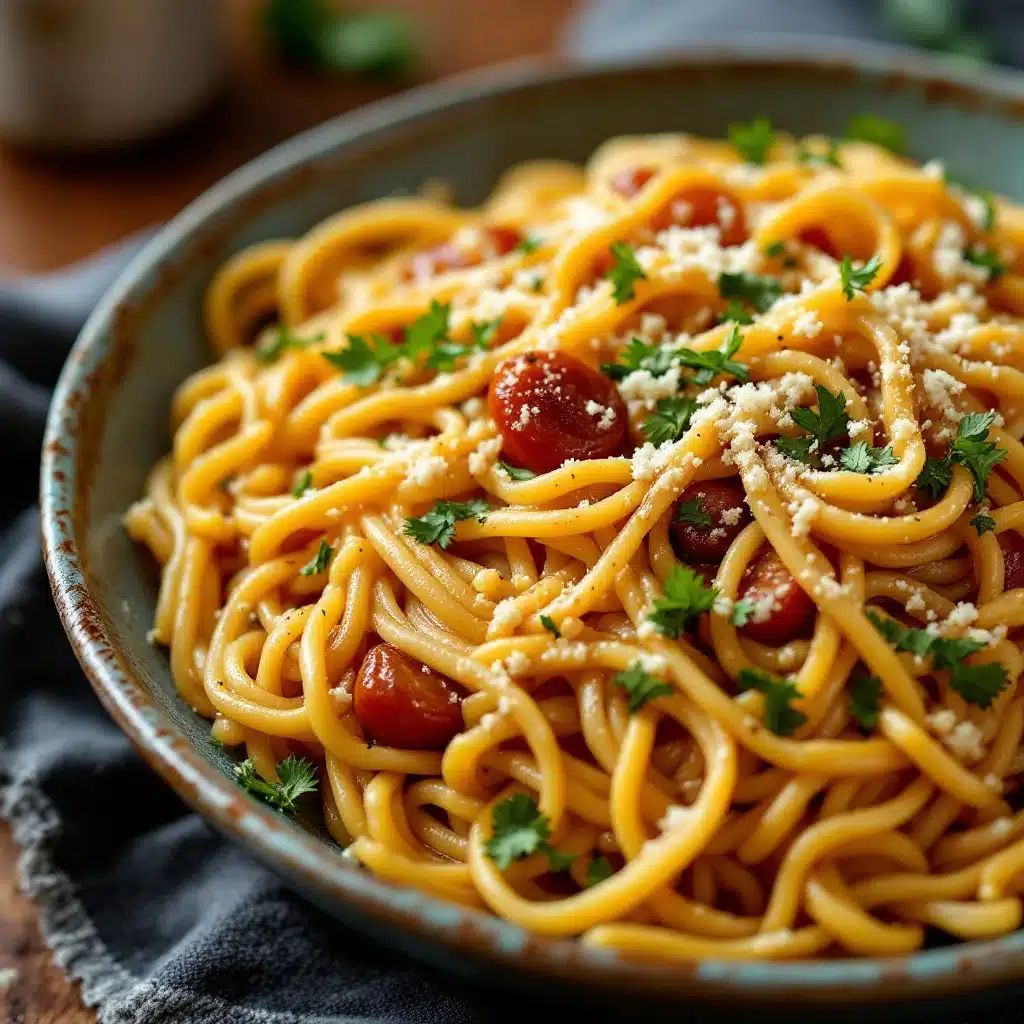
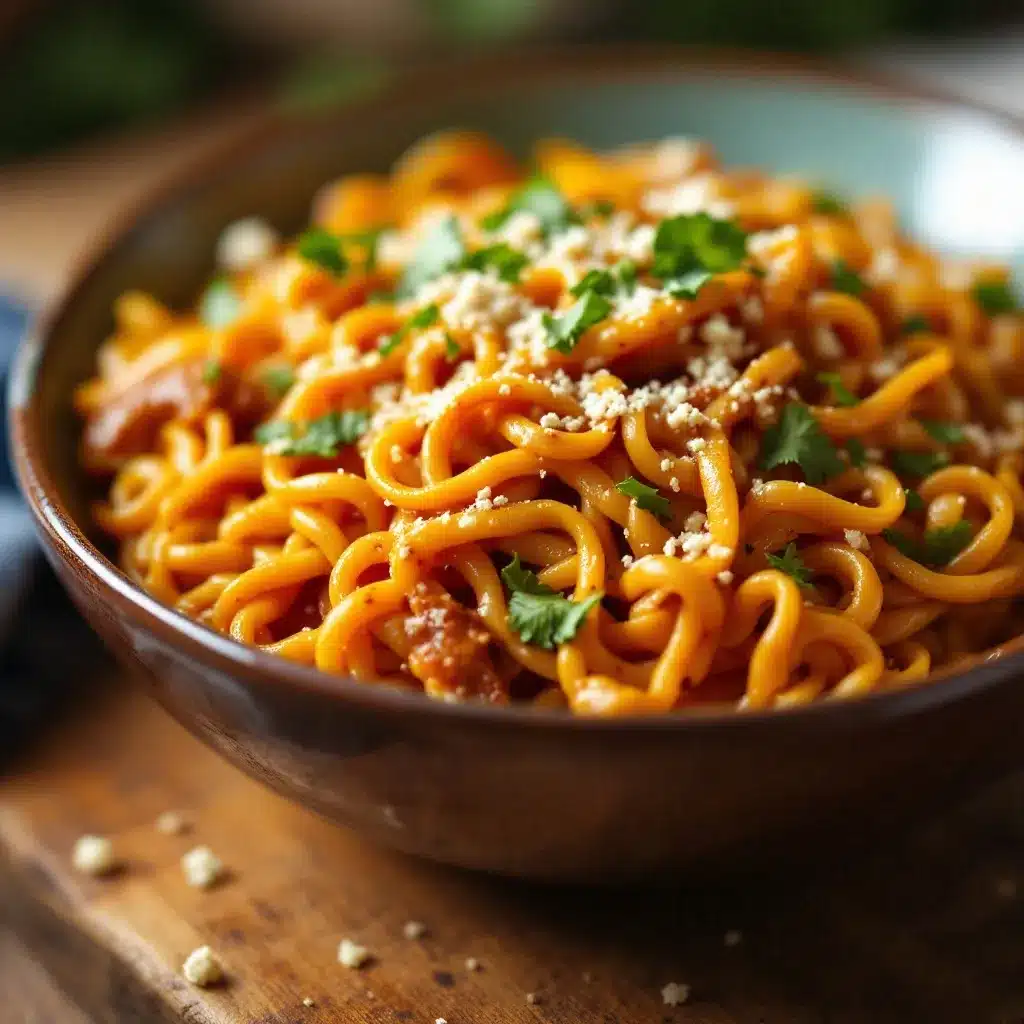
My husband took one bite, stopped mid-chew, and just stared at the plate. “You made this from stuff in the pantry?” he asked, and I knew I’d stumbled onto something good. It was a Tuesday night, the fridge was looking sad, and I had zero energy for a grocery run. But there was a pack of instant ramen in the back of the cabinet, some leftover bell peppers, and a bag of frozen peas. Twenty minutes later, we were both scraping our bowls clean, and he asked for it again the next day. That’s when I knew this Easy One-Pot Ramen Noodle Stir Fry wasn’t just a happy accident—it was a weeknight dinner I’d be making on repeat.
The beauty of this recipe is that it feels like takeout but comes together in a single pot. No boiling the noodles separately, no draining, no extra dishes piling up in the sink. Everything cooks together, the noodles soak up all that savory sauce, and you end up with a meal that tastes like you spent way more effort than you actually did. Honestly, it’s the kind of dinner that makes you feel like a genius without breaking a sweat.
I’ve tested this about a dozen times now, tweaking the sauce ratios and the cooking method until it was just right. The noodles come out perfectly tender, not mushy, with a little bite that holds up against the veggies. And the sauce—it coats every strand in this glossy, salty-sweet glaze that’s dangerously addictive. If you’re looking for a fast, forgiving, and genuinely delicious meal that uses up whatever vegetables are hanging around, this one’s for you.
Why You’ll Love This Recipe
I’ve been cooking professionally for over a decade, and I still reach for this recipe on busy nights. It’s been tested in my home kitchen more times than I can count, and it’s earned a permanent spot in my weeknight rotation. Here’s why I think you’ll feel the same way:
- One Pot, Minimal Mess: You cook everything in a single skillet or wok. No separate pot for boiling noodles, no colander to wash. Dinner and cleanup are done in under 15 minutes.
- Pantry-Friendly Ingredients: The base of this recipe uses instant ramen noodles, soy sauce, and a handful of pantry staples. You probably already have most of what you need, which makes it perfect for those nights when you don’t want to go to the store.
- Completely Customizable: Use whatever vegetables you have on hand—broccoli, carrots, snap peas, mushrooms, or even leftover roasted veggies. Add chicken, beef, shrimp, or tofu for extra protein. This recipe is endlessly adaptable.
- Fast Enough for a Weeknight: From start to finish, this takes about 10 minutes of active cooking. It’s faster than ordering takeout and way more satisfying.
- Better Than Takeout: The sauce is made from scratch with simple ingredients, so you control the salt and sugar levels. It tastes fresher, brighter, and more balanced than anything you’d get delivered.
What sets this apart from other stir fry recipes is the cooking method. By simmering the noodles directly in the sauce, they absorb all that flavor instead of just being coated on the outside. The result is a dish where every single bite tastes intentional and delicious. It’s not just another stir fry—it’s the one you’ll actually want to make on a Tuesday night after a long day.
What Ingredients You Will Need
This recipe relies on simple, accessible ingredients that work together to create something surprisingly complex. The magic is in the sauce, which balances salty, sweet, tangy, and savory notes perfectly.
For the Stir Fry
- Instant ramen noodles (2 packets) – Discard the seasoning packets or save them for another use. I prefer Maruchan or Nissin brands because they hold their texture well during cooking. Look for blocks that are firm and not broken into pieces.
- Vegetable oil (2 tablespoons) – Use a neutral oil with a high smoke point like avocado, canola, or grapeseed. Avoid olive oil here—it has a lower smoke point and can turn bitter.
- Garlic (4 cloves, minced) – Fresh garlic makes a big difference in flavor. If you’re in a pinch, use 1 teaspoon of jarred minced garlic.
- Fresh ginger (1 tablespoon, grated) – Ginger adds warmth and brightness. I recommend grating it on a microplane for the best texture, but finely minced works too.
- Mixed vegetables (3 cups) – Use a combination of bell peppers (sliced), carrots (julienned), snap peas, broccoli florets, and mushrooms. Frozen stir fry vegetable blends work great here—just add them straight from the bag.
- Green onions (3, sliced) – For garnish and a fresh, mild onion flavor.
- Sesame seeds (1 tablespoon) – Optional, but adds a nice nutty crunch as a finishing touch.
For the Sauce
- Soy sauce (3 tablespoons) – Use low-sodium soy sauce to control the salt level. Tamari or coconut aminos work as gluten-free alternatives.
- Oyster sauce (2 tablespoons) – This adds depth and a subtle sweetness. For a vegetarian version, use mushroom oyster sauce or hoisin sauce.
- Sesame oil (1 tablespoon) – Toasted sesame oil is key here—it adds that unmistakable nutty aroma. Don’t skip it.
- Brown sugar (1 tablespoon, packed) – Balances the saltiness and helps create that glossy glaze. Honey or maple syrup work as substitutes.
- Rice vinegar (1 tablespoon) – Adds a gentle acidity that brightens the whole dish. White vinegar or apple cider vinegar can work in a pinch.
- Chicken or vegetable broth (1/2 cup) – This helps cook the noodles and thins the sauce to the right consistency.
- Cornstarch (1 teaspoon) – Mixed with 2 teaspoons of water to make a slurry. This thickens the sauce so it clings to the noodles beautifully.
Equipment Needed
You don’t need fancy equipment for this recipe, which is part of why I love it so much. Here’s what you’ll need:
- Large skillet or wok (12-inch) – A non-stick or well-seasoned cast iron skillet works best. The wider surface area helps the noodles cook evenly and prevents them from steaming instead of stir-frying. I’ve used a 12-inch non-stick skillet for years and it’s perfect for this.
- Sharp knife and cutting board – For prepping your vegetables. A good chef’s knife makes quick work of slicing bell peppers and carrots.
- Microplane or fine grater – For grating ginger. You can mince it finely with a knife, but a microplane gives you a paste that melts into the sauce beautifully.
- Measuring spoons and liquid measuring cup – For accuracy with the sauce ingredients.
- Small bowl – For mixing the cornstarch slurry.
- Spatula or wooden spoon – For stirring and tossing everything together. A silicone spatula is great for non-stick pans.
- Tongs – Helpful for turning and separating the noodles as they cook.
If you don’t have a wok, don’t worry. A large non-stick skillet works just as well. The key is having enough surface area so the noodles don’t clump together. I’ve made this in a stainless steel pan before, and while it works, the noodles tend to stick a bit more. Non-stick is definitely easier for beginners.
Preparation Method
This comes together fast, so I recommend prepping all your ingredients before you start cooking. Once the heat is on, things move quickly.
- Make the sauce. In a small bowl or liquid measuring cup, whisk together the soy sauce, oyster sauce, sesame oil, brown sugar, rice vinegar, and chicken broth. Set it aside. In a separate tiny bowl, mix the cornstarch with 2 teaspoons of water to make a slurry. Set that aside too.
- Prep your vegetables. Slice the bell peppers into thin strips, julienne the carrots, trim the snap peas, and cut the broccoli into small florets. If you’re using mushrooms, slice them. Mince the garlic and grate the ginger. The more uniform your cuts, the more evenly everything cooks.
- Break the ramen blocks. Open the ramen packets and break each block into quarters. You want smaller pieces that will cook evenly and be easy to eat with chopsticks or a fork. Discard the seasoning packets.
- Heat your skillet. Place your large skillet or wok over medium-high heat and add the vegetable oil. Let it heat until it shimmers—about 30 seconds. You want it hot enough that the vegetables sizzle when they hit the pan.
- Cook the aromatics. Add the minced garlic and grated ginger to the hot oil. Stir constantly for about 20-30 seconds until fragrant. Be careful not to burn them—they can go from golden to bitter very quickly.
- Stir fry the vegetables. Add your prepared vegetables to the pan. Cook for 2-3 minutes, stirring frequently, until they start to soften but still have a slight crunch. If you’re using frozen vegetables, add them straight from the bag and cook for an extra minute to evaporate any excess moisture.
- Add the noodles and sauce. Push the vegetables to one side of the pan. Place the broken ramen noodles in the empty space. Pour the prepared sauce over the noodles and vegetables. The liquid should mostly cover the noodles.
- Simmer and cook the noodles. Bring the sauce to a gentle simmer. Cover the pan with a lid and let it cook for 2-3 minutes. The noodles will absorb the sauce and soften. Uncover and use tongs to gently separate and toss the noodles with the vegetables.
- Thicken the sauce. Give the cornstarch slurry a quick stir and pour it into the pan. Toss everything together and cook for another 30-60 seconds. The sauce will thicken and become glossy, coating every strand of noodle.
- Finish and serve. Remove the pan from the heat. Taste and adjust seasoning if needed—a splash more soy sauce for saltiness or a drizzle of sesame oil for nuttiness. Sprinkle with sliced green onions and sesame seeds. Serve immediately while it’s hot and the noodles are still springy.
One thing I learned the hard way—don’t overcook the noodles. They continue to soften even after you remove the pan from the heat, so pull them off the stove when they still have a tiny bit of resistance in the center. They’ll finish cooking in the residual heat.
Cooking Tips & Techniques
After making this recipe more times than I can count, I’ve picked up a few tricks that make a real difference. Here are my best tips for getting it right every time:
- Prep everything before you start. This is the most important tip I can give you. Stir frying happens fast, and there’s no time to chop vegetables or mix sauce once the pan is hot. Have all your ingredients measured, chopped, and ready to go. I call this “mise en place” and it’s the difference between a stress-free dinner and a frantic mess.
- Don’t overcrowd the pan. If you’re doubling the recipe, cook it in two batches. Too many ingredients in the pan will steam instead of stir fry, and you’ll end up with soggy noodles. The high heat and direct contact with the pan is what creates that slightly charred, wok-hei flavor.
- Use high heat. A hot pan is essential for good stir fry. If your pan isn’t hot enough, the vegetables will release their moisture and boil instead of searing. You should see a light wisp of smoke rising from the oil before you add the aromatics.
- Break the noodles before cooking. This sounds simple, but it makes a huge difference. Whole ramen blocks take longer to soften and are harder to toss with the vegetables. Breaking them into smaller pieces ensures even cooking and easier eating.
- Adjust the sauce to your taste. The recipe I’ve written is my personal favorite balance, but feel free to tweak it. Add a teaspoon of sriracha or gochujang for heat. Use more brown sugar if you like it sweeter. A splash of fish sauce adds incredible savory depth.
- The cornstarch slurry is non-negotiable. I’ve tried skipping it, and the sauce is just too thin. It runs off the noodles and pools at the bottom of the bowl. That tablespoon of cornstarch slurry is what gives you that glossy, restaurant-quality coating that clings to every strand.
I once made the mistake of adding the cornstarch directly to the sauce without making a slurry first. It clumped up into little white balls that never dissolved. Learn from my mistake—always mix it with cold water first.
Variations & Adaptations
One of the best things about this recipe is how flexible it is. I’ve made it dozens of different ways depending on what’s in my fridge and what I’m craving. Here are some of my favorite variations:
- Protein-Packed Version: Add cooked chicken, beef, shrimp, or tofu. Cook the protein first, remove it from the pan, then proceed with the recipe. Add it back in at the end when you toss everything together. For a quick option, use pre-cooked rotisserie chicken or leftover steak.
- Spicy Ramen Stir Fry: Add 1-2 teaspoons of sriracha, gochujang, or chili garlic sauce to the sauce mixture. You can also sprinkle red pepper flakes over the finished dish for extra heat. My husband loves it with a generous drizzle of chili oil on top.
- Vegetarian or Vegan Version: Use mushroom oyster sauce or hoisin sauce instead of regular oyster sauce. Replace the chicken broth with vegetable broth. Add extra mushrooms and edamame for protein and umami.
- Peanut Noodle Stir Fry: Add 2 tablespoons of creamy peanut butter to the sauce. It creates a rich, nutty sauce that’s absolutely addictive. Top with crushed peanuts and fresh cilantro.
- Low-Carb Option: Swap the ramen noodles for zucchini noodles or shirataki noodles. The cooking time will be much shorter—just 1-2 minutes to heat everything through. Be sure to pat the zucchini noodles dry before adding them to avoid a watery sauce.
- Seasonal Vegetable Swaps: In summer, use fresh corn kernels, zucchini, and cherry tomatoes. In fall, try butternut squash cubes and kale. In winter, go with shredded Brussels sprouts and roasted sweet potatoes. The sauce works with pretty much any vegetable combination.
I personally love the peanut version when I’m craving something a little more decadent. It reminds me of the peanut noodles I used to order from a takeout spot in college, only better because I can control the ingredients.
Serving & Storage Suggestions
This stir fry is best served immediately, straight from the pan while the noodles are still hot and the sauce is glossy. But I’ve got plenty of tips for making it work for your schedule.
Serving: Serve the ramen stir fry in shallow bowls so the noodles stay warm. Garnish with sliced green onions, sesame seeds, and a drizzle of chili oil or sriracha if you like heat. A wedge of lime on the side adds a bright, fresh finish. This dish pairs beautifully with a simple cucumber salad dressed with rice vinegar and a sprinkle of salt. For a heartier meal, serve it alongside crispy loaded potato skins or a bowl of creamy baked potato soup for a cozy dinner spread.
Storage: Leftovers keep well in an airtight container in the refrigerator for up to 3 days. The noodles will absorb some of the sauce as they sit, so they’ll be a little less saucy the next day. To reheat, add a splash of water or broth to a skillet over medium heat and toss the noodles until warmed through. The microwave works too, but the texture won’t be quite as good.
Freezing: I don’t recommend freezing this dish. The noodles become mushy and the sauce separates when thawed. If you want to meal prep, cook the vegetables and sauce separately, then cook fresh noodles when you’re ready to eat. Or try making a batch of egg muffins for meal prep instead—they freeze beautifully and make for an easy breakfast.
Reheating: The best way to reheat leftovers is in a hot skillet with a splash of water. Toss constantly for about 2 minutes until everything is steaming hot. If you’re in a hurry, the microwave works—just cover the bowl with a damp paper towel to add moisture and heat in 30-second intervals, stirring between each.
Nutritional Information & Benefits
This recipe makes about 2 generous servings. The nutritional values below are estimates based on the ingredients listed and will vary based on specific brands and any substitutions you make.
| Nutrient | Amount Per Serving |
|---|---|
| Calories | 420 |
| Total Fat | 18g |
| Saturated Fat | 3g |
| Cholesterol | 0mg |
| Sodium | 980mg |
| Total Carbohydrates | 52g |
| Dietary Fiber | 6g |
| Sugars | 10g |
| Protein | 10g |
This dish is surprisingly well-balanced for a quick weeknight meal. The vegetables provide fiber, vitamins A and C, and antioxidants. Ginger and garlic are known for their anti-inflammatory properties and can support immune health. The sesame oil adds healthy fats, and the soy sauce provides a savory umami punch without needing excessive salt. If you’re watching your sodium intake, use low-sodium soy sauce and reduce the amount slightly. For a lower-carb version, swap the ramen noodles for zucchini noodles or shirataki noodles. This recipe is naturally dairy-free and can easily be made gluten-free by using tamari or coconut aminos and gluten-free ramen noodles.
From a wellness perspective, I love that this stir fry feels indulgent but is actually packed with vegetables. It’s the kind of meal that satisfies a takeout craving while still making you feel good about what you’re eating. And honestly, on a busy weeknight, that’s a win in my book.
Conclusion
This Easy One-Pot Ramen Noodle Stir Fry has become my go-to for those nights when I need dinner on the table fast, with minimal effort and maximum flavor. It’s forgiving, adaptable, and genuinely delicious—the kind of recipe that makes you wonder why you ever ordered takeout in the first place. Whether you’re feeding a hungry family, meal prepping for the week, or just craving something warm and satisfying, this dish delivers every single time.
I’d love to hear how it turns out for you. Did you add any fun variations? Find a new favorite vegetable combination? Drop a comment below and let me know—I read every single one and I’m always inspired by your creativity. And if you’re looking for more quick and easy dinner ideas, check out my 5-ingredient pesto pasta or these creamy chicken alfredo for more weeknight wins. Happy cooking, friends!
Frequently Asked Questions
Can I use regular pasta instead of ramen noodles?
You can, but the texture will be different. Ramen noodles cook much faster and have a unique springy texture that works perfectly in stir fry. If you use regular pasta, cook it separately according to package directions, then add it to the stir fry at the end with a splash of pasta water to help the sauce cling.
What if I don’t have oyster sauce?
No problem! You can substitute hoisin sauce, teriyaki sauce, or even a tablespoon of soy sauce mixed with a teaspoon of sugar. The flavor will change slightly, but it will still be delicious. For a vegetarian option, look for mushroom oyster sauce at Asian grocery stores.
Can I make this gluten-free?
Absolutely. Use gluten-free ramen noodles (or rice noodles), tamari or coconut aminos instead of soy sauce, and a gluten-free oyster sauce or hoisin sauce. All other ingredients are naturally gluten-free. Just double-check the labels on your broth and any pre-made sauces.
How do I keep the noodles from getting mushy?
The key is not to overcook them. Simmer the noodles in the sauce for just 2-3 minutes, then remove the pan from the heat. They’ll continue to soften slightly in the residual heat. Also, make sure your pan is hot enough—a high heat helps the sauce reduce quickly instead of slowly simmering and turning the noodles to mush.
Can I add an egg to this stir fry?
Yes, and it’s fantastic! Push the cooked vegetables to one side of the pan, crack an egg into the empty space, and scramble it quickly. Once it’s mostly set, toss it with the noodles and vegetables. It adds protein and a lovely richness. You can also top the finished dish with a soft-boiled or fried egg for a beautiful presentation.
Pin This Recipe!
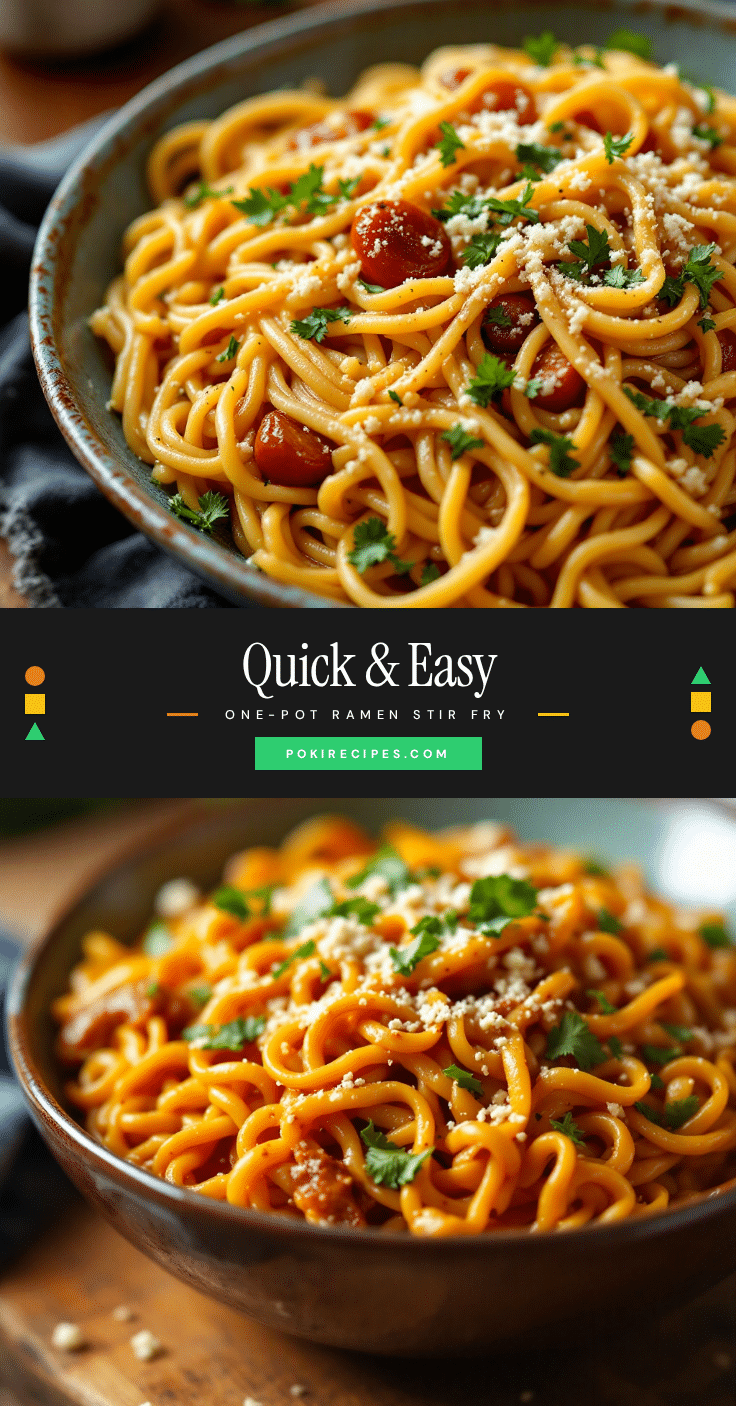
10-Minute Easy One-Pot Ramen Noodle Stir Fry
A quick and easy one-pot ramen noodle stir fry that comes together in just 10 minutes using pantry staples. Perfect for busy weeknights, this dish is customizable with your favorite vegetables and protein.
- Prep Time: 5 minutes
- Cook Time: 10 minutes
- Total Time: 15 minutes
- Yield: 2 servings 1x
- Category: Main Course
- Cuisine: Asian
Ingredients
- 2 packets instant ramen noodles (seasoning packets discarded)
- 2 tablespoons vegetable oil (avocado, canola, or grapeseed)
- 4 cloves garlic, minced
- 1 tablespoon fresh ginger, grated
- 3 cups mixed vegetables (bell peppers, carrots, snap peas, broccoli, mushrooms)
- 3 green onions, sliced
- 1 tablespoon sesame seeds (optional)
- 3 tablespoons low-sodium soy sauce
- 2 tablespoons oyster sauce
- 1 tablespoon toasted sesame oil
- 1 tablespoon packed brown sugar
- 1 tablespoon rice vinegar
- 1/2 cup chicken or vegetable broth
- 1 teaspoon cornstarch mixed with 2 teaspoons water (slurry)
Instructions
- Make the sauce: In a small bowl, whisk together soy sauce, oyster sauce, sesame oil, brown sugar, rice vinegar, and broth. Set aside. In another tiny bowl, mix cornstarch with 2 teaspoons water to make a slurry.
- Prep vegetables: Slice bell peppers into thin strips, julienne carrots, trim snap peas, cut broccoli into small florets, and slice mushrooms if using. Mince garlic and grate ginger.
- Break ramen blocks into quarters. Discard seasoning packets.
- Heat a large skillet or wok over medium-high heat. Add vegetable oil and heat until shimmering (about 30 seconds).
- Add garlic and ginger; stir constantly for 20-30 seconds until fragrant.
- Add prepared vegetables; stir fry for 2-3 minutes until slightly softened but still crisp. If using frozen vegetables, add straight from bag and cook an extra minute.
- Push vegetables to one side of the pan. Place broken ramen noodles in the empty space. Pour sauce over noodles and vegetables. Liquid should mostly cover noodles.
- Bring to a gentle simmer. Cover and cook for 2-3 minutes until noodles soften. Uncover and use tongs to separate and toss noodles with vegetables.
- Stir cornstarch slurry and pour into pan. Toss everything together and cook 30-60 seconds until sauce thickens and becomes glossy.
- Remove from heat. Taste and adjust seasoning if needed. Sprinkle with green onions and sesame seeds. Serve immediately.
Notes
Prep all ingredients before starting; stir frying happens fast. Don’t overcrowd the pan—cook in batches if doubling. Use high heat for best results. Break noodles before cooking for even texture. Cornstarch slurry is essential for a glossy sauce. Noodles continue to soften after removing from heat, so pull them off when still slightly firm.
Nutrition
- Serving Size: 1 serving
- Calories: 420
- Sugar: 10
- Sodium: 980
- Fat: 18
- Saturated Fat: 3
- Carbohydrates: 52
- Fiber: 6
- Protein: 10
Keywords: ramen noodle stir fry, one-pot meal, quick dinner, easy weeknight dinner, vegetable stir fry, pantry meal