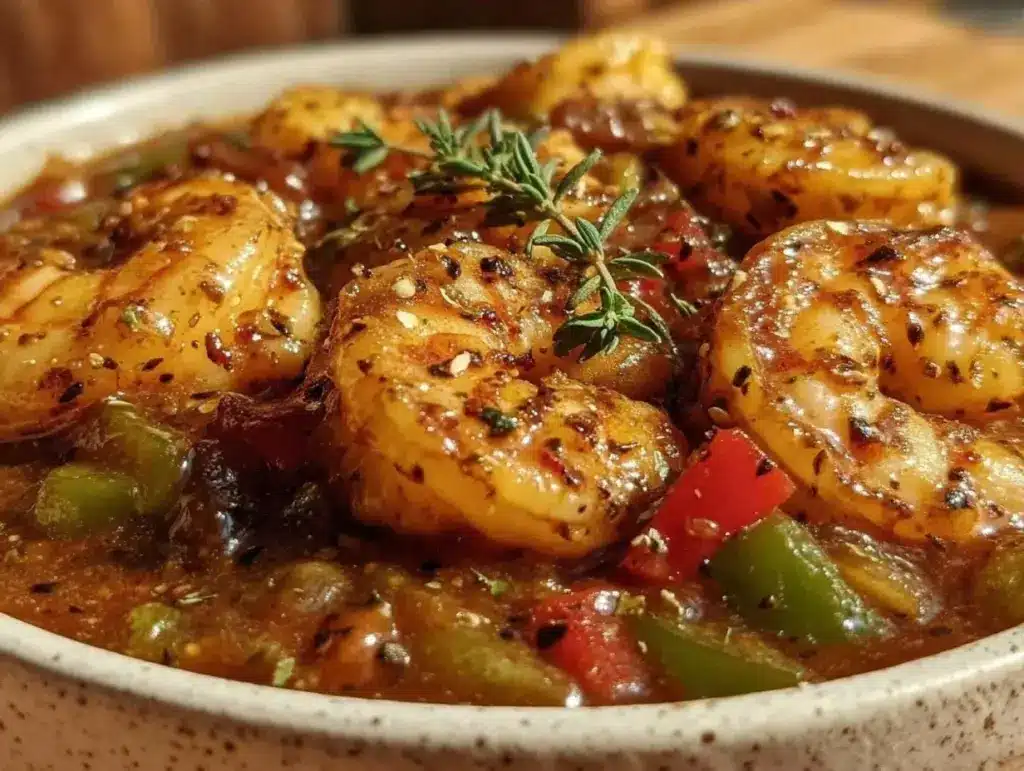
The sizzle of shrimp hitting a bubbling roux, the fragrance of Cajun spices filling the kitchen—it takes me right back to my first trip to Louisiana. I remember sitting in a tiny Creole diner, digging into a bowl of shrimp étouffée that was so creamy, so packed with flavor, it felt like a warm hug on a plate. Honestly, shrimp étouffée isn’t just a dish; it’s a story of rich southern tradition, bold spices, and that perfect marriage of creamy and spicy comfort. I’ve made this recipe countless times, tweaking it just enough to balance the heat and heartiness, and every time I serve it, it disappears way too fast.
What makes this shrimp étouffée recipe stand out? It’s the way the shrimp soak up the velvety sauce, crafted from a deeply browned roux and a symphony of Cajun seasonings. This dish is perfect for those nights when you crave something cozy but don’t want to fuss for hours. Plus, it’s a great way to bring a bit of New Orleans magic right to your table. Whether you’re feeding a hungry family or impressing friends with your Cajun cooking chops, this creamy and spicy shrimp étouffée will become your go-to comfort food.
As someone who’s tested this recipe in both home kitchens and casual dinner parties, I can vouch for its simplicity and soul. It’s spicy without overwhelming, creamy without heaviness, and packed with just the right amount of kick. If you love shrimp and crave bold southern flavors, this shrimp étouffée recipe is definitely one to bookmark and make again and again.
Why You’ll Love This Shrimp Étouffée Recipe
- Quick & Easy: Ready in under 45 minutes, perfect for weeknight dinners or last-minute guests.
- Simple Ingredients: Uses pantry staples and fresh shrimp—no complicated grocery runs needed.
- Perfect for Any Occasion: Whether it’s a casual family dinner or a festive gathering, this dish impresses every time.
- Crowd-Pleaser: The creamy, spicy sauce wins over both kids and adults alike.
- Unbelievably Delicious: The rich roux combined with Cajun spices creates a depth of flavor that’s truly addictive.
This shrimp étouffée isn’t your everyday seafood stew. The secret is in the slow-cooked roux that gives the sauce its signature thickness and nuttiness. I like to blend just the right amount of cayenne and smoked paprika to keep the heat lively but approachable. Plus, blending the shrimp right at the end keeps them tender, not rubbery, which is a trick I learned after a few too many overcooked batches! This recipe manages to capture the spirit of Cajun cooking—bold, soulful, and downright comforting—without needing a professional chef’s skill set.
It’s the kind of dish that makes you close your eyes and savor every bite, a true taste of Louisiana’s culinary soul. Honestly, once you make this shrimp étouffée, you’ll find yourself craving it on chilly nights or whenever you want a little spicy comfort in your life.
What Ingredients You Will Need
This shrimp étouffée recipe uses straightforward, wholesome ingredients that come together to build layers of flavor and creaminess without fuss. Most are pantry staples, with fresh shrimp adding that perfect seafood touch.
- For the Roux & Base:
- 1/2 cup unsalted butter (adds richness and helps create the roux)
- 1/2 cup all-purpose flour (for that classic thick roux)
- 1 cup onion, finely chopped
- 1/2 cup celery, finely chopped
- 1/2 cup green bell pepper, finely chopped
- 4 cloves garlic, minced (fresh garlic is key for a punch of flavor)
- For the Seasoning & Sauce:
- 3 cups seafood stock or chicken broth (I prefer homemade or low-sodium brands)
- 2 teaspoons Cajun seasoning (store-bought works, or make your own blend)
- 1 teaspoon smoked paprika (adds smoky depth)
- 1/2 teaspoon cayenne pepper (adjust based on your heat preference)
- 1 teaspoon dried thyme
- 1 teaspoon dried oregano
- 1 bay leaf
- Salt and freshly ground black pepper, to taste
- For the Shrimp:
- 1 pound large shrimp, peeled and deveined (fresh or thawed frozen; wild-caught preferred)
- 2 tablespoons fresh parsley, chopped (for garnish and fresh flavor)
- 1 tablespoon lemon juice (brightens the whole dish)
- Optional:
- Cooked white rice or crusty French bread, for serving
- Hot sauce, for extra kick at the table
When choosing shrimp, I look for firm, translucent flesh—it makes all the difference in texture. If you want a gluten-free version, swapping all-purpose flour for rice flour or a gluten-free blend works well, though the roux won’t be quite as dark. For those who like it extra creamy, a splash of heavy cream stirred in at the end never hurts!
Equipment Needed
- Heavy-bottomed skillet or Dutch oven: Essential for making a smooth, even roux without burning (cast iron works beautifully).
- Wooden spoon or heat-resistant spatula: For stirring the roux constantly—trust me, this is key to avoid lumps or scorching.
- Sharp chef’s knife and cutting board: For prepping your veggies and shrimp.
- Measuring cups and spoons: To keep your spice balance spot-on.
- Ladle or large spoon: For serving the étouffée with rice or bread.
If you don’t have a Dutch oven, a thick-bottomed pan will do, but watch the heat closely since thinner pans can scorch the roux. I once tried making this recipe in a nonstick pan — not my best idea; the roux didn’t brown evenly. Patience and the right pan are everything!
Detailed Preparation Method
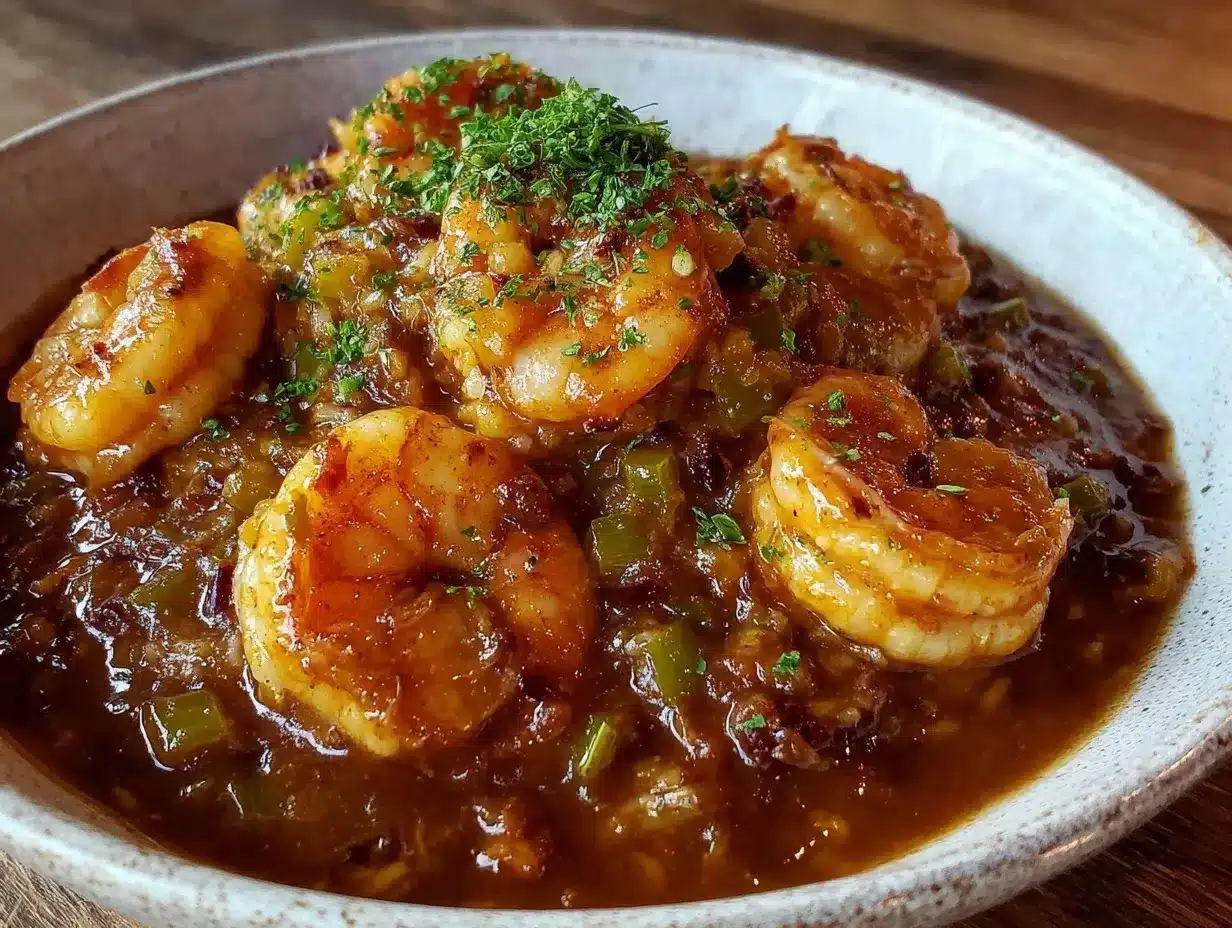
- Make the roux: In your skillet or Dutch oven, melt 1/2 cup (115g) of unsalted butter over medium heat. Slowly whisk in 1/2 cup (60g) of all-purpose flour. Stir constantly with a wooden spoon for 10-15 minutes, until the roux turns a deep caramel brown color. This step is crucial for the signature flavor and thickness—don’t rush it, but watch carefully so it doesn’t burn.
- Add the Holy Trinity: Toss in 1 cup (150g) chopped onion, 1/2 cup (75g) celery, and 1/2 cup (75g) green bell pepper. Sauté for 5-7 minutes until softened and fragrant. Stir in 4 minced garlic cloves and cook for another 1-2 minutes.
- Build the sauce: Slowly pour in 3 cups (720ml) seafood stock or chicken broth, whisking constantly to avoid lumps. Add 2 teaspoons Cajun seasoning, 1 teaspoon smoked paprika, 1/2 teaspoon cayenne pepper (adjust to taste), 1 teaspoon dried thyme, 1 teaspoon dried oregano, and 1 bay leaf. Bring to a gentle simmer and cook for 15 minutes, stirring occasionally. The sauce should thicken slightly and develop that deep, spicy aroma.
- Prepare the shrimp: While the sauce simmers, peel and devein 1 pound (450g) of large shrimp if not prepped. Pat them dry with paper towels to prevent them from getting rubbery.
- Finish the étouffée: Remove the bay leaf. Add the shrimp to the sauce and cook for 4-5 minutes until they turn pink and opaque. Be careful not to overcook—shrimp cook quickly! Stir in 2 tablespoons chopped fresh parsley and 1 tablespoon lemon juice for brightness. Taste and adjust seasoning with salt, pepper, or extra Cajun spice.
- Serve: Spoon the shrimp étouffée over hot cooked white rice or alongside crusty French bread. Garnish with additional parsley or a dash of hot sauce if you like a little extra heat.
Pro tip: If your roux gets too dark too fast, lower the heat and be patient. It’s better to take your time than to risk a burnt flavor. Also, make sure your shrimp are dry before adding—wet shrimp can water down the sauce and affect cooking time.
Cooking Tips & Techniques
Making shrimp étouffée is all about balancing flavors and textures. Here are a few things I’ve learned from my kitchen adventures:
- Patience with the roux: Stirring constantly and cooking low and slow is key to developing that nutty, rich base. Rushing this step often leads to burnt flour taste or a lumpy sauce.
- Don’t overcook the shrimp: They only need a few minutes in the simmering sauce. Overcooked shrimp get tough and lose their sweet flavor.
- Layer your spices: Adding Cajun seasoning, smoked paprika, and cayenne separately helps build complexity. Taste as you go to avoid overpowering heat.
- Use fresh herbs: Parsley at the end brightens the dish and adds freshness against the creamy sauce.
- Multitasking tip: While the roux cooks, prep your veggies and shrimp. It keeps the process smooth and helps everything come together quickly once the sauce is ready.
One time, I accidentally added cold broth straight from the fridge and ended up with clumps in my sauce. Lesson learned: warm your broth slightly before whisking it in to keep the étouffée silky smooth. Also, keep a close eye on the roux color—it can shift from perfect to burnt in seconds.
Variations & Adaptations
This shrimp étouffée recipe is pretty adaptable and can suit various tastes and dietary needs.
- Spicy or Mild: Adjust the cayenne and Cajun seasoning to your heat preference. For a milder dish, reduce cayenne or omit it and add a pinch of smoked paprika for flavor without the burn.
- Protein Swaps: Substitute shrimp with crawfish tails, crab meat, or even chicken for a different twist. If using chicken, cook it separately and add it near the end to avoid overcooking.
- Gluten-Free Option: Use rice flour or a gluten-free flour blend instead of all-purpose flour to make the roux. The texture will differ slightly but still delicious.
- Vegetarian Version: Skip the shrimp and add hearty mushrooms or smoked tofu. Use vegetable broth instead of seafood stock for a vegetarian-friendly étouffée.
Personally, I once tried adding a splash of cream at the end for an ultra-luxurious finish. It was decadently creamy but still kept the spice alive. Worth trying if you want to treat yourself!
Serving & Storage Suggestions
Shrimp étouffée is best served hot, spooned over freshly cooked white rice that soaks up every bit of the creamy sauce. For a casual meal, crusty French bread on the side is perfect for mopping up the goodness. Pair it with a light green salad or steamed veggies to balance the richness.
Leftovers store well in an airtight container in the fridge for up to 3 days. The flavors actually deepen after resting overnight, but the shrimp can become a bit firmer. Reheat gently on the stovetop over low heat, stirring occasionally, or microwave in short bursts to avoid toughening the shrimp.
You can also freeze étouffée in a freezer-safe container for up to 2 months. Thaw overnight in the fridge and reheat slowly. Adding a splash of broth or water when reheating helps loosen the sauce if it thickens too much.
Nutritional Information & Benefits
This shrimp étouffée recipe is a flavorful and satisfying dish that delivers a good balance of protein and moderate carbs from the rice. Here’s a rough estimate per serving (about 1 cup étouffée plus 1 cup cooked rice):
| Nutrient | Amount |
|---|---|
| Calories | 450-500 kcal |
| Protein | 35-40 grams |
| Fat | 18-22 grams |
| Carbohydrates | 35-40 grams |
| Fiber | 3-4 grams |
| Sodium | 600-800 mg (variable based on broth and seasoning) |
Shrimp is a lean source of protein rich in omega-3 fatty acids and essential minerals like selenium and iodine. The Cajun spices bring antioxidants and anti-inflammatory benefits. Using homemade or low-sodium broth helps keep salt levels in check. For those monitoring carbs, swapping rice for cauliflower rice reduces carbohydrate intake while keeping the dish satisfying.
Conclusion
If you’re craving a dish that’s creamy, spicy, and packed with southern charm, this shrimp étouffée recipe is a winner. It’s simple enough for a weeknight yet impressive enough for guests. The layers of flavor—from the slow-cooked roux to the tender shrimp—make every bite a little celebration. I love how this recipe brings a taste of Louisiana’s soul to my kitchen, reminding me of good times and great food shared with friends and family.
Give it a try, and don’t hesitate to tweak the spice level or protein to make it your own. I’d love to hear how your shrimp étouffée turns out—drop a comment below or share your favorite twists! Happy cooking and enjoy every spicy, creamy bite.
Frequently Asked Questions About Shrimp Étouffée
What is the difference between étouffée and gumbo?
Étouffée is typically thicker with a rich, roux-based sauce and focuses on one protein like shrimp or crawfish. Gumbo is a soupier stew often containing multiple proteins and okra, with a thinner broth.
Can I use frozen shrimp for this recipe?
Yes, just make sure to thaw and pat them dry before cooking to avoid excess water diluting the sauce.
How spicy is shrimp étouffée?
The spice level can be adjusted by the amount of cayenne and Cajun seasoning used. This recipe aims for a balanced kick that’s flavorful but not overwhelming.
What can I serve with shrimp étouffée?
Traditionally served over white rice, it also goes well with crusty bread or a simple green salad to cut through the richness.
Can I make shrimp étouffée ahead of time?
Yes, it stores well in the fridge for up to 3 days. Reheat gently to keep shrimp tender. You can also freeze it for longer storage.
Pin This Recipe!
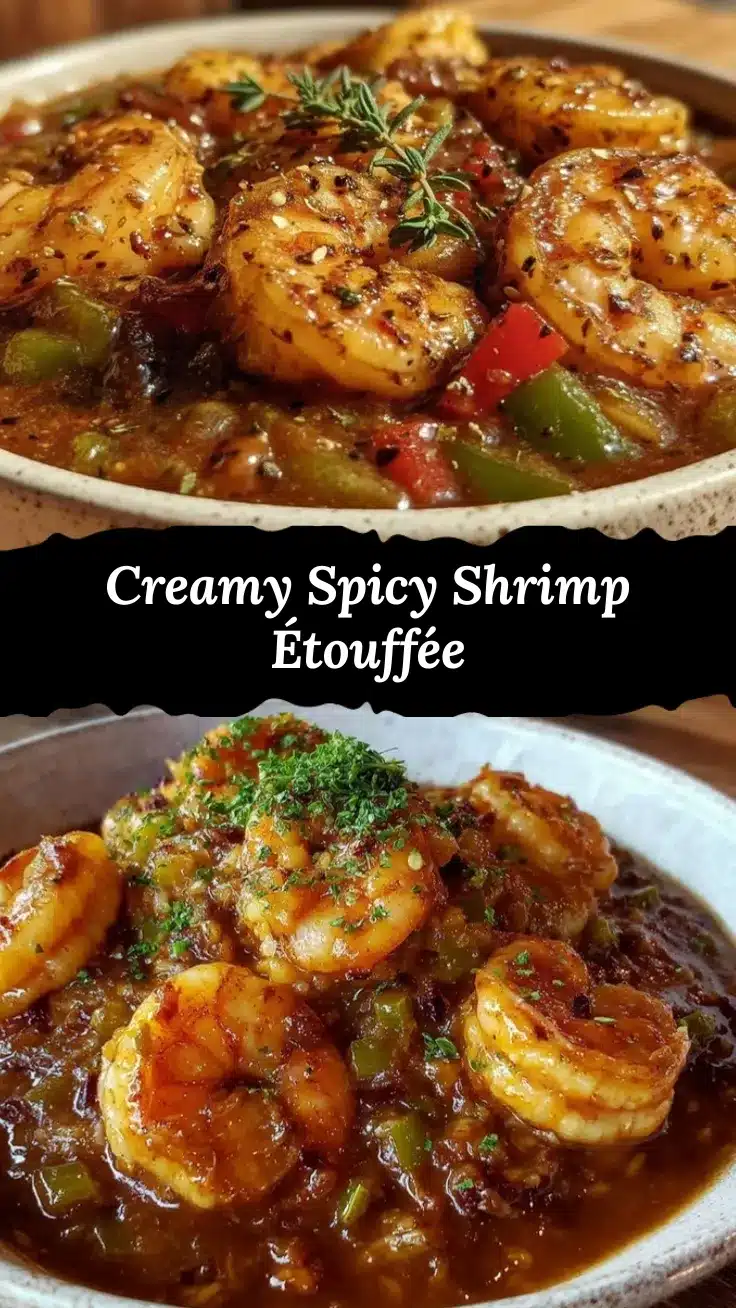
Shrimp Étouffée Recipe Easy Creamy Spicy Cajun Delight to Try Today

A creamy and spicy shrimp étouffée featuring a deeply browned roux and bold Cajun spices, perfect for a quick and comforting meal inspired by Louisiana tradition.
- Prep Time: 15 minutes
- Cook Time: 30 minutes
- Total Time: 45 minutes
- Yield: 4 servings 1x
- Category: Main Course
- Cuisine: Cajun
Ingredients
- 1/2 cup unsalted butter
- 1/2 cup all-purpose flour
- 1 cup onion, finely chopped
- 1/2 cup celery, finely chopped
- 1/2 cup green bell pepper, finely chopped
- 4 cloves garlic, minced
- 3 cups seafood stock or chicken broth
- 2 teaspoons Cajun seasoning
- 1 teaspoon smoked paprika
- 1/2 teaspoon cayenne pepper
- 1 teaspoon dried thyme
- 1 teaspoon dried oregano
- 1 bay leaf
- Salt and freshly ground black pepper, to taste
- 1 pound large shrimp, peeled and deveined
- 2 tablespoons fresh parsley, chopped
- 1 tablespoon lemon juice
- Optional: cooked white rice or crusty French bread for serving
- Optional: hot sauce for extra kick
Instructions
- In a heavy-bottomed skillet or Dutch oven, melt 1/2 cup unsalted butter over medium heat.
- Slowly whisk in 1/2 cup all-purpose flour and stir constantly with a wooden spoon for 10-15 minutes until the roux turns a deep caramel brown color.
- Add 1 cup chopped onion, 1/2 cup celery, and 1/2 cup green bell pepper; sauté for 5-7 minutes until softened.
- Stir in 4 minced garlic cloves and cook for another 1-2 minutes.
- Slowly pour in 3 cups seafood stock or chicken broth, whisking constantly to avoid lumps.
- Add 2 teaspoons Cajun seasoning, 1 teaspoon smoked paprika, 1/2 teaspoon cayenne pepper, 1 teaspoon dried thyme, 1 teaspoon dried oregano, and 1 bay leaf.
- Bring to a gentle simmer and cook for 15 minutes, stirring occasionally until the sauce thickens slightly.
- Remove the bay leaf.
- Add 1 pound peeled and deveined shrimp to the sauce and cook for 4-5 minutes until shrimp turn pink and opaque.
- Stir in 2 tablespoons chopped fresh parsley and 1 tablespoon lemon juice.
- Taste and adjust seasoning with salt, pepper, or extra Cajun spice as desired.
- Serve the shrimp étouffée over hot cooked white rice or alongside crusty French bread. Garnish with additional parsley or hot sauce if desired.
Notes
Patience is key when making the roux; stir constantly and cook low and slow to avoid burning. Make sure shrimp are dry before adding to prevent watery sauce. Warm broth slightly before adding to avoid clumps. Adjust cayenne pepper to control spice level. For gluten-free, substitute all-purpose flour with rice flour or gluten-free blend. Adding a splash of heavy cream at the end can make the dish extra creamy.
Nutrition
- Serving Size: About 1 cup étouffée
- Calories: 450500
- Sodium: 600800
- Fat: 1822
- Carbohydrates: 3540
- Fiber: 34
- Protein: 3540
Keywords: shrimp étouffée, Cajun recipe, creamy shrimp, spicy seafood stew, Louisiana cuisine, roux, seafood étouffée