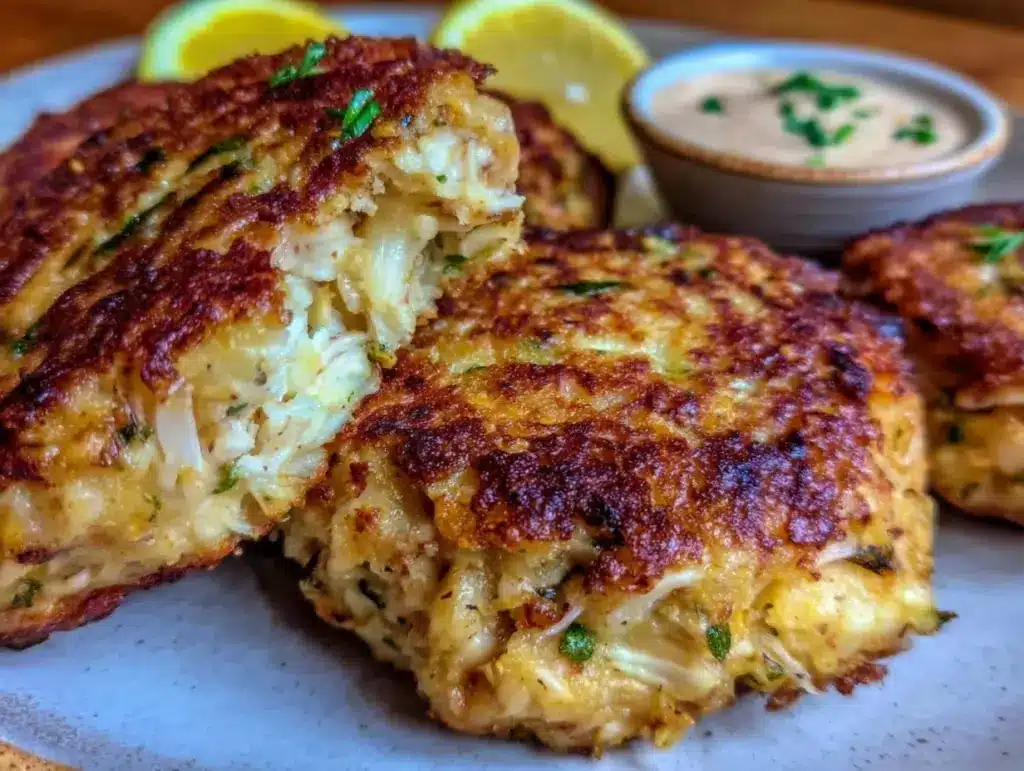
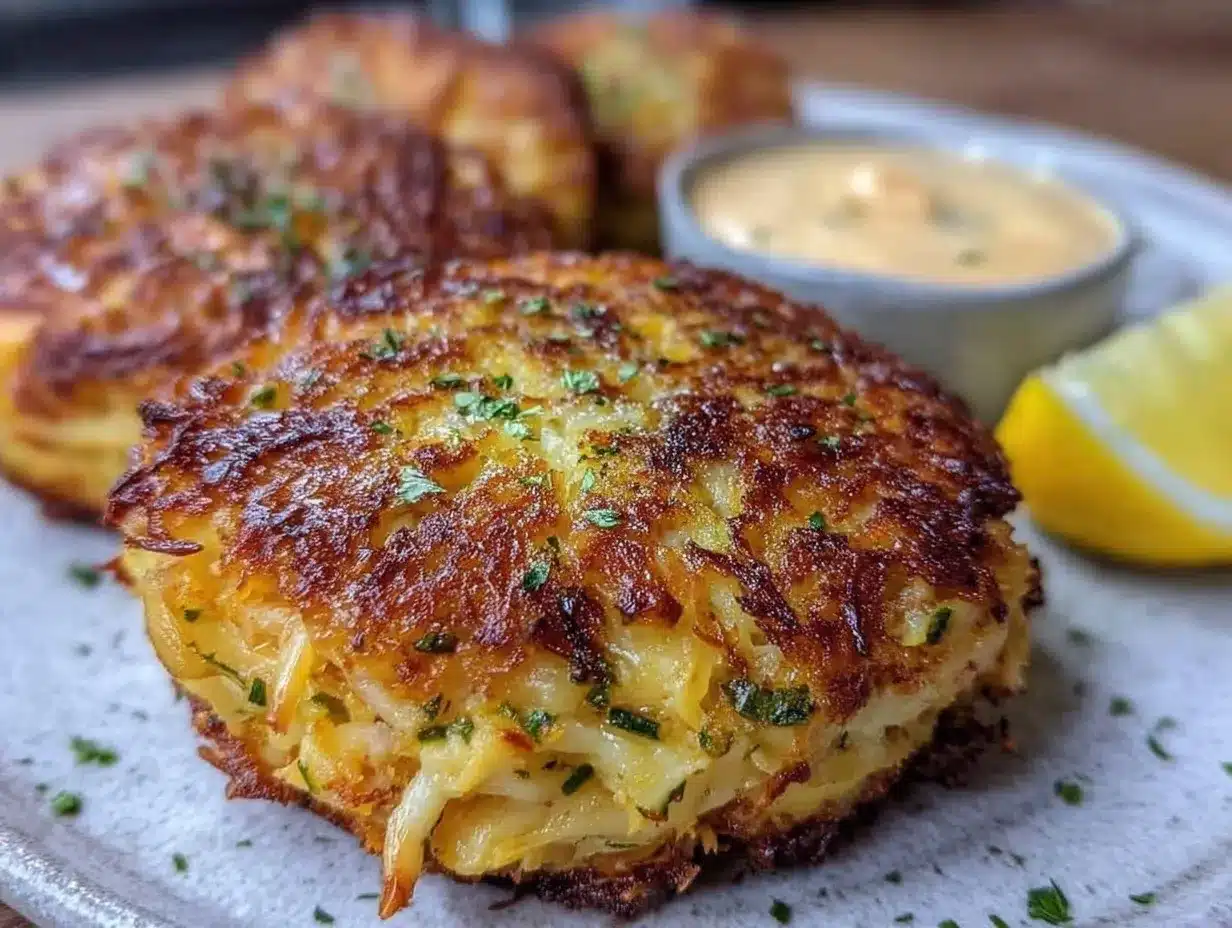
The first time I tasted a Maryland style crab cake, I was hooked instantly. That crispy golden crust giving way to a tender, flavorful mix of sweet crab meat and just the right hint of seasoning—it’s a little bite of Chesapeake Bay magic. Honestly, making crab cakes at home intimidated me for the longest time. I worried about the crab drying out or the cakes falling apart. But after testing and tweaking this Maryland style crab cakes recipe multiple times, it’s now one of my go-to dishes for impressing guests or treating myself to something special. There’s just something about the way the delicate crab blends with a few simple ingredients that brings comfort and elegance to any meal.
What’s great about this recipe is how true it stays to tradition while being super approachable for home cooks. If you’ve ever wondered how to get those perfect crab cakes without the fuss or expensive restaurant prices, you’re in the right place. Whether you’re a seafood lover, a busy family in need of a quick dinner, or just craving that authentic Maryland taste, this recipe has your back. I’ve made it with fresh crab, frozen lump crab meat, and even a quick pantry mix, and each time it delivers the same satisfying flavor and texture. So, let’s get cracking on these unforgettable Maryland style crab cakes!
Why You’ll Love This Recipe
After countless tries, I can say this Maryland style crab cakes recipe stands out for all the right reasons. Here’s why you’ll want to keep it in your recipe box:
- Quick & Easy: You’ll have these crab cakes ready in under 30 minutes—perfect when you want something special without hours in the kitchen.
- Simple Ingredients: No fancy or hard-to-find items here. Just fresh crab, a few pantry staples, and classic seasonings that bring out the crab’s natural sweetness.
- Perfect for Any Occasion: Be it brunch, a casual dinner, or a holiday spread, these crab cakes fit the bill every time.
- Crowd-Pleaser: Friends and family can’t get enough of these. Kids love the crispy outside, adults appreciate the authentic Maryland flavor.
- Unbelievably Delicious: The blend of lump crab meat, light seasoning, and a golden crust is comfort food at its finest.
What makes this recipe different? It’s all in the balance—I use just enough binder to hold the cakes together without overpowering the crab, plus a secret touch of Old Bay seasoning that brings that unmistakable Maryland charm. Honestly, after the first bite, I always close my eyes and imagine sitting on a Chesapeake Bay dock, breeze in my hair, fork in hand. It’s comfort food with soul, but light enough to enjoy anytime.
What Ingredients You Will Need
This recipe keeps things straightforward, focusing on fresh and wholesome ingredients that highlight the star of the show: the crab meat. Here’s what you’ll need for the batter and the coating:
- 1 pound lump crab meat (look for fresh or high-quality frozen lump crab; I prefer fresh from Maryland seafood markets if I can get it)
- 1 large egg (room temperature, acts as a gentle binder)
- 1/4 cup mayonnaise (adds moisture and richness; use a good-quality brand like Duke’s for best taste)
- 1 teaspoon Dijon mustard (for a bit of tang and depth)
- 1 tablespoon fresh lemon juice (brightens the flavor)
- 1 teaspoon Worcestershire sauce (classic Maryland flavor enhancer)
- 1 teaspoon Old Bay seasoning (the key spice blend for authentic Maryland crab cakes)
- 1/4 cup finely chopped fresh parsley (adds color and freshness)
- 1/2 cup plain breadcrumbs (preferably panko or homemade for texture; I like using Pepperidge Farm breadcrumbs)
- 1/2 cup crushed saltine crackers (for a light, crisp coating)
- Vegetable oil or clarified butter (for frying; I usually go with vegetable oil for a neutral flavor)
These ingredients come together to create a crab cake that’s moist inside with just the right crispy exterior. If you want to make it gluten-free, almond flour works well as a binder substitute, and crushed gluten-free crackers can replace saltines.
Equipment Needed
- Mixing bowls: One large bowl for combining ingredients and another for the coating mix.
- Measuring cups and spoons: To keep your seasoning and ingredients on point.
- Non-stick skillet or cast iron pan: For frying the crab cakes evenly to that golden perfection.
- Spatula or fish turner: To flip the crab cakes gently without breaking them.
- Cooling rack or paper towels: To drain excess oil after frying.
- Optional: Kitchen scale for precision if you prefer weighing crab meat (helps maintain size consistency).
If you don’t have a cast iron pan, a heavy-bottomed non-stick skillet works just fine. I’ve found that using a spatula with a thin edge helps keep the cakes intact when flipping. For budget-friendly options, most items like mixing bowls and measuring spoons can be found affordably at local stores or online.
Detailed Preparation Method
- Prepare the crab meat: Gently pick through the lump crab meat to remove any shells or cartilage. Be careful not to break up the lumps too much—you want those nice chunks to shine in your crab cakes. (5 minutes)
- Mix the binding ingredients: In a large bowl, whisk together the egg, mayonnaise, Dijon mustard, lemon juice, Worcestershire sauce, and Old Bay seasoning until smooth and well combined. This mixture keeps the crab moist and flavorful. (3 minutes)
- Combine crab and herbs: Add the crab meat and chopped parsley to the wet mix. Gently fold everything together using a spatula or your hands. Avoid overmixing; the crab should remain chunky. (3 minutes)
- Add breadcrumbs: Sprinkle in the breadcrumbs and mix just until the mixture holds together enough to form cakes. If it feels too wet, add a teaspoon of breadcrumbs at a time until you can shape patties without them falling apart. (2 minutes)
- Shape the crab cakes: Using about 1/4 cup (60g) of the mixture per cake, form 6-8 patties, about 1-inch thick. Place them on a plate or tray lined with parchment paper and refrigerate for 15-20 minutes to firm up. This step is crucial for keeping the cakes from falling apart during cooking. (20 minutes)
- Prepare the coating: In a shallow bowl, combine crushed saltine crackers and a pinch of Old Bay seasoning. Lightly press each crab cake into this coating to cover both sides evenly. This gives the cakes their signature crunch. (5 minutes)
- Heat the pan and fry: Add about 2 tablespoons of vegetable oil to a skillet over medium heat. Once hot (test by flicking a drop of water—if it sizzles, it’s ready), carefully place 2-3 crab cakes in the pan without crowding. Cook for 3-4 minutes per side until golden brown and crispy. Adjust heat as needed to avoid burning. (10-12 minutes total)
- Drain and serve: Transfer cooked crab cakes to a cooling rack or paper towels to drain excess oil. Serve immediately with lemon wedges and your favorite sauce—tartar, remoulade, or just plain mayo work great! (2 minutes)
Pro tip: If your crab cakes start breaking apart, chilling them longer helps. Also, don’t overcrowd the pan—this lowers the oil temperature and makes the cakes soggy instead of crispy.
Cooking Tips & Techniques
Making perfect Maryland style crab cakes is all about balance and technique. Here are some lessons I’ve picked up along the way:
- Use lump crab meat: The big chunks of crab are what make these cakes special. Avoid shredded or canned crab, which can get mushy.
- Handle gently: When mixing the crab with the binder, fold carefully. Overmixing breaks up the lumps and creates a paste instead of a chunky texture.
- Chill before cooking: Letting the shaped cakes rest in the fridge firms them up, reducing the chance they’ll fall apart during frying.
- Oil temperature matters: Medium heat is best. Too hot and the crust burns before heating through; too low and the cakes absorb oil and get greasy.
- Use the right coating: Crushed saltines or panko create a crunchy crust without overpowering the crab. Avoid heavy batters or too much flour.
- Don’t flip too soon: Let the crust set properly before turning. A gentle flip with a thin spatula helps keep the shape intact.
One time I skipped chilling the cakes, and they completely fell apart in the skillet. Since then, I never skip that step—worth every extra minute! Also, a light hand with the seasoning keeps the crab flavor front and center without masking it.
Variations & Adaptations
This recipe is flexible enough to suit various tastes and dietary needs. Here are some of my favorite ways to switch things up:
- Gluten-Free Version: Use almond flour or gluten-free breadcrumbs in place of regular breadcrumbs and crushed crackers. The texture is slightly different but still delicious.
- Spicy Kick: Add a dash of cayenne pepper or diced jalapeño to the batter for those who like a little heat.
- Baked Crab Cakes: For a lighter option, bake the cakes on a parchment-lined baking sheet at 400°F (200°C) for 12-15 minutes, flipping halfway through.
- Herb Twist: Swap parsley for fresh dill or chives for a new herbaceous note.
- Personal Favorite: I sometimes add a teaspoon of finely minced roasted red pepper for a subtle sweet smokiness—it’s a nice surprise!
No matter the variation, the key is to respect the crab’s delicate flavor and keep binders light. This way, every bite still tastes authentically Maryland.
Serving & Storage Suggestions
Serve your Maryland style crab cakes hot and fresh for the best experience. I like to plate them with lemon wedges and a small ramekin of homemade tartar sauce or a zesty remoulade. They pair beautifully with crisp green salads, coleslaw, or steamed veggies. For a brunch twist, try them alongside poached eggs and hollandaise sauce!
If you have leftovers (which rarely happens!), store cooled crab cakes in an airtight container in the refrigerator for up to 2 days. To reheat, gently warm them in a skillet over medium-low heat to crisp the outside again, or pop them in a 350°F (175°C) oven for about 10 minutes. Avoid the microwave—it tends to make them soggy.
Flavors actually deepen a bit after resting overnight, so if you can, make them ahead and reheat right before serving. This also helps the seasoning meld into the crab meat for even tastier bites.
Nutritional Information & Benefits
Each Maryland style crab cake (assuming 6 servings) contains approximately:
| Nutrient | Amount per Cake |
|---|---|
| Calories | 190 kcal |
| Protein | 15g |
| Fat | 10g |
| Carbohydrates | 8g |
| Fiber | 0.5g |
Crab meat is an excellent source of lean protein and packed with vitamins and minerals like vitamin B12, zinc, and selenium. It’s also low in calories and fat compared to many other protein sources. The recipe keeps added fats moderate, and using fresh lemon juice and fresh herbs adds bright, healthy flavors without extra calories.
If you have shellfish allergies, obviously this recipe isn’t suitable, but for seafood lovers, it’s a nutritious and satisfying choice that fits well into balanced diets, including low-carb and gluten-free variations.
Conclusion
This Maryland style crab cakes recipe is more than just a meal—it’s a little celebration of Chesapeake Bay’s best flavors right in your own kitchen. I love how straightforward it is, yet the result feels fancy enough for special occasions. Plus, it’s flexible enough to suit different diets and tastes, so you can really make it your own.
Go ahead and try this recipe, and don’t be shy about making it your own. Maybe add some extra herbs, or try baking instead of frying—either way, you’re in for a treat. I’d love to hear how your crab cakes turn out, what variations you tried, or any tips you discover along the way. Drop a comment below or share this recipe with friends who need a bit of Maryland magic in their dinner plans!
Here’s to crispy, juicy crab cakes that bring a little coastal sunshine to your table. Happy cooking!
Frequently Asked Questions
What type of crab meat is best for Maryland style crab cakes?
Lump crab meat is ideal because it provides big, tender chunks that hold up well and deliver great texture. Avoid shredded or canned crab for this recipe.
Can I bake the crab cakes instead of frying?
Absolutely! Baking at 400°F (200°C) for 12-15 minutes, flipping halfway, gives a lighter, less oily cake with a nice crispy crust.
How do I prevent crab cakes from falling apart?
Chilling the shaped cakes for 15-20 minutes before cooking helps them firm up. Also, use just enough binder to hold them together without overwhelming the crab.
What can I serve with Maryland crab cakes?
They pair wonderfully with lemon wedges, tartar sauce, remoulade, fresh salads, coleslaw, or steamed vegetables.
Are Maryland style crab cakes gluten-free?
Traditional recipes use breadcrumbs and crackers, which contain gluten. For a gluten-free version, substitute with almond flour and gluten-free crushed crackers or breadcrumbs.
Pin This Recipe!

Maryland Style Crab Cakes

A classic Maryland style crab cakes recipe featuring lump crab meat with a crispy golden crust and tender, flavorful interior. Perfect for quick, easy, and authentic Chesapeake Bay flavor at home.
- Prep Time: 15 minutes
- Cook Time: 12 minutes
- Total Time: 27 minutes
- Yield: 6 servings 1x
- Category: Main Course
- Cuisine: American
Ingredients
- 1 pound lump crab meat
- 1 large egg (room temperature)
- 1/4 cup mayonnaise
- 1 teaspoon Dijon mustard
- 1 tablespoon fresh lemon juice
- 1 teaspoon Worcestershire sauce
- 1 teaspoon Old Bay seasoning
- 1/4 cup finely chopped fresh parsley
- 1/2 cup plain breadcrumbs (preferably panko or homemade)
- 1/2 cup crushed saltine crackers
- Vegetable oil or clarified butter for frying
Instructions
- Gently pick through the lump crab meat to remove any shells or cartilage, keeping the lumps intact. (5 minutes)
- In a large bowl, whisk together the egg, mayonnaise, Dijon mustard, lemon juice, Worcestershire sauce, and Old Bay seasoning until smooth. (3 minutes)
- Add the crab meat and chopped parsley to the wet mixture and gently fold together without overmixing. (3 minutes)
- Sprinkle in the breadcrumbs and mix just until the mixture holds together enough to form cakes. Add more breadcrumbs if too wet. (2 minutes)
- Form 6-8 patties using about 1/4 cup (60g) of mixture per cake, about 1-inch thick. Place on parchment-lined tray and refrigerate for 15-20 minutes to firm up. (20 minutes)
- In a shallow bowl, combine crushed saltine crackers with a pinch of Old Bay seasoning. Lightly press each crab cake into the coating to cover both sides. (5 minutes)
- Heat 2 tablespoons vegetable oil in a skillet over medium heat. Fry 2-3 crab cakes at a time for 3-4 minutes per side until golden brown and crispy. Adjust heat as needed. (10-12 minutes total)
- Transfer cooked crab cakes to a cooling rack or paper towels to drain excess oil. Serve immediately with lemon wedges and your favorite sauce. (2 minutes)
Notes
Chill crab cakes before frying to prevent falling apart. Use lump crab meat for best texture. Avoid overcrowding the pan to maintain oil temperature and crispiness. For gluten-free, substitute almond flour and gluten-free crackers.
Nutrition
- Serving Size: 1 crab cake
- Calories: 190
- Fat: 10
- Carbohydrates: 8
- Fiber: 0.5
- Protein: 15
Keywords: Maryland crab cakes, crab cakes recipe, seafood, Chesapeake Bay, lump crab meat, Old Bay seasoning, easy crab cakes, homemade crab cakes