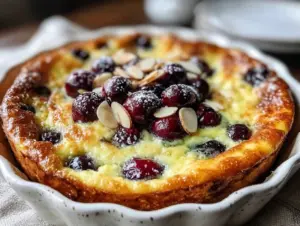
The smell of warm, sweet bread with a shiny sugar glaze instantly takes me back to family Easter mornings filled with laughter and the promise of spring. Honestly, there’s just something magical about the aroma of freshly baked Easter bread wafting through the house. I first tried this best glazed Easter bread recipe a few years ago when my grandmother handed me her well-worn recipe card. Since then, I’ve baked it countless times, perfecting every little detail to make it truly irresistible.
This glazed Easter bread isn’t your average treat. It’s soft, fluffy, and just sweet enough to satisfy your cravings without being overwhelming. What I love most is that it’s simple to make but looks impressively festive — perfect for sharing with family and friends at holiday brunch or even as a lovely gift. Whether you’re a seasoned baker or a kitchen newbie, this recipe fits right into your routine and delivers comforting, joyful flavors every time.
After baking this bread over a dozen times, I can say with confidence it’s one of the best Easter breads you’ll find. It’s a recipe that brings people together, fills the room with warmth, and leaves you wanting just one more slice. Trust me, you’ll want to keep this glazed Easter bread recipe close for all your spring celebrations.
Why You’ll Love This Recipe
- Quick & Easy: Comes together in just 5 simple steps, making it perfect for busy mornings or last-minute holiday prep.
- Simple Ingredients: No fancy or hard-to-find items needed — mostly pantry staples you probably already have at home.
- Perfect for Easter & Spring: Its festive look and sweet glaze make it a standout on any holiday table or brunch spread.
- Crowd-Pleaser: Kids and adults alike rave about the soft texture and just-right sweetness every single time.
- Unbelievably Delicious: The glaze adds a glossy finish and a subtle crunch that pairs beautifully with the tender bread inside.
- This recipe is unique because it combines a light, fluffy dough with a sweet, shiny glaze that feels both traditional and fresh. Unlike other Easter breads that can be dense or dry, this one stays moist and tender for days.
- It’s the kind of bread that makes you pause and savor each bite — comfort food with a springtime twist. Plus, it’s a great way to impress guests without spending hours in the kitchen.
What Ingredients You Will Need
This best glazed Easter bread recipe uses straightforward ingredients that come together to create a delightfully soft and sweet bread with a glossy finish. Most are pantry staples, and you can tweak a few based on your preferences or dietary needs.
- All-purpose flour (about 4 cups / 480 grams) – The base for a tender crumb. I prefer King Arthur brand for consistency.
- Granulated sugar (½ cup / 100 grams) – Adds that perfect touch of sweetness.
- Active dry yeast (2 ¼ teaspoons or one packet) – For that lovely rise and fluffy texture.
- Warm whole milk (1 cup / 240 ml) – Helps activate the yeast and adds richness. You can substitute with almond or oat milk for dairy-free.
- Unsalted butter (¼ cup / 57 grams, softened) – Adds moisture and flavor.
- Large eggs (2, room temperature) – For structure and tenderness.
- Salt (1 teaspoon) – Balances the sweetness and enhances flavor.
- Vanilla extract (1 teaspoon) – Adds a warm, inviting aroma.
- Powdered sugar (1 cup / 120 grams) – For the glaze topping.
- Fresh lemon juice (2 tablespoons) – Gives the glaze a bright, zesty kick.
- Water (2-3 tablespoons) – To thin the glaze to the perfect consistency.
- Optional: Colored sprinkles or edible flowers – For that extra festive touch.
Look for small-curd cottage cheese if you want to add a subtle moistness to your dough (I sometimes swap in ½ cup for part of the milk). If you’re gluten-free, almond or oat flour blends work well, though the texture will be a bit different. For dairy-free, swap butter and milk with plant-based alternatives, but keep the yeast and sugar amounts the same.
Equipment Needed
- Large mixing bowl: For combining ingredients and letting the dough rise.
- Stand mixer with dough hook (optional): Makes kneading easier, but you can knead by hand if you prefer.
- Measuring cups and spoons: Accurate measurements are key to perfect bread!
- Baking sheet or loaf pan: Depending on your preferred shape; a baking sheet is great for braided bread.
- Parchment paper or silicone baking mat: Prevents sticking and helps with clean-up.
- Kitchen towel or plastic wrap: To cover dough during rising.
- Cooling rack: Essential for letting your bread cool evenly and avoid sogginess.
I’ve tried this recipe with a simple mixing bowl and my hands, and it works just fine, though the stand mixer does save time and elbow grease. If you don’t have a kitchen scale, measuring cups work well, but weighing flour gives you the best results every time.
Detailed Preparation Method

- Activate the yeast: Warm 1 cup (240 ml) of whole milk to about 110°F (43°C) — not too hot or it will kill the yeast. Stir in 2 ¼ teaspoons of active dry yeast and 1 tablespoon of sugar. Let it sit for 5–10 minutes until it’s foamy and bubbly. This step tells you your yeast is alive and ready.
- Mix the dough: In a large bowl or stand mixer, combine 4 cups (480 grams) of all-purpose flour, ½ cup (100 grams) sugar, and 1 teaspoon salt. Add 2 room-temperature eggs, ¼ cup (57 grams) softened unsalted butter, 1 teaspoon vanilla extract, and the activated yeast mixture. Stir or mix with a dough hook until a shaggy dough forms.
- Knead the dough: Knead by hand on a lightly floured surface or using your mixer’s dough hook for about 8–10 minutes until the dough is smooth, elastic, and slightly sticky. If it feels too sticky, add flour a tablespoon at a time; too dry, add a bit of milk.
- First rise: Lightly oil a clean bowl and place your dough inside, turning it once to coat with oil. Cover with a kitchen towel or plastic wrap and let it rise in a warm spot for 1 to 1½ hours, or until it doubles in size. It’s ready when you can gently press a finger and the indentation remains.
- Shape and second rise: Punch down the dough to release air. Shape it into a round loaf, braid, or place in a loaf pan. Cover again and let it rise for another 30–45 minutes until puffy.
- Bake: Preheat your oven to 350°F (175°C). Bake the bread on a parchment-lined baking sheet or in a loaf pan for about 30–35 minutes. It should be golden brown and sound hollow when tapped on the bottom. Use a kitchen thermometer if you want to be precise — internal temperature should read 190°F (88°C).
- Prepare the glaze: While the bread bakes, whisk together 1 cup (120 grams) powdered sugar, 2 tablespoons fresh lemon juice, and 2–3 tablespoons water until smooth and pourable but not too thin.
- Glaze the bread: Once the bread is out of the oven and still warm, brush the glaze generously over the top. It will harden to a shiny, slightly crunchy coating. Add sprinkles or edible flowers if you want that extra festive flair.
- Cool and serve: Transfer the bread to a cooling rack to let it cool completely. The glaze sets beautifully and the bread slices easily when cool.
Pro tip: If your dough isn’t rising well, make sure your milk isn’t too hot or cold and that your yeast is fresh. Sometimes a slightly warmer environment (like inside an oven with just the light on) helps the rise.
Cooking Tips & Techniques
Making the best glazed Easter bread is mostly about patience and gentle handling. Don’t rush the rises — that’s when the dough develops its airy texture. I’ve learned the hard way that skipping or shortening the rising times results in dense bread.
Kneading is another key step. You want to develop gluten, which gives bread its structure and chew, but over-kneading can make it tough. The dough should feel soft and slightly tacky but not sticky enough to stick to your hands constantly.
When glazing, apply the glaze while the bread is warm but not piping hot to prevent it from melting off completely. If you want a thicker glaze, add less water, but be careful not to make it too stiff.
For even baking, rotate your baking sheet halfway through the baking time, especially if your oven has hot spots. And always cool the bread completely on a rack; otherwise, the bottom can get soggy from trapped steam.
Multitasking tip: While your dough is rising, prep your glaze and clean up your workspace. It makes the process feel smoother and less chaotic!
Variations & Adaptations
- Dietary swaps: Use gluten-free flour blends to make this bread gluten-free. Adjust liquids slightly as gluten-free doughs can be stickier. Swap butter and milk with plant-based alternatives for a dairy-free version.
- Flavor twists: Add citrus zest (orange or lemon) to the dough for a fresh burst of flavor. You can also mix in dried fruits like raisins or chopped candied peel.
- Different shapes: Instead of a round loaf, braid the dough for a classic Easter look or shape into mini rolls for individual servings.
- Cooking methods: This bread can also be baked in a bread machine using the dough cycle, then shaped and baked in a conventional oven for the glaze step.
- Personal variation: I sometimes add a tablespoon of almond extract along with vanilla for a slightly nutty aroma that pairs wonderfully with the lemon glaze.
Serving & Storage Suggestions
Serve this best glazed Easter bread slightly warm or at room temperature. It pairs beautifully with a cup of coffee, tea, or even a fresh fruit salad for a festive brunch. You know that shine on the glaze? It makes every slice look fancy enough for company.
If you’re planning ahead, store the bread in an airtight container at room temperature for up to 2 days. To keep it longer, wrap it well and freeze for up to 3 months. Thaw overnight in the fridge, then warm gently in the oven before serving to refresh the glaze’s crunch.
Reheating works best at 300°F (150°C) for 10 minutes wrapped loosely in foil — this warms the bread without drying it out. The flavors mellow and deepen a bit overnight, so leftovers are honestly just as good the next day.
Nutritional Information & Benefits
Each slice of this glazed Easter bread provides roughly 250-300 calories depending on thickness, with moderate levels of carbohydrates and fat. The eggs and milk add some protein and calcium, making it more satisfying than a simple sweet bread.
Using unsalted butter and controlling the sugar keeps it balanced — not too sweet, but still indulgent. If you substitute almond or oat milk, it’s naturally lactose-free and suitable for some dairy-sensitive folks.
While this bread isn’t low-carb, it’s a comforting treat that fits well into an occasional indulgence or holiday tradition. Plus, the lemon juice in the glaze offers a small vitamin C boost and a fresh brightness that cuts through the sweetness.
Conclusion
This best glazed Easter bread recipe is a true celebration of springtime baking: simple, sweet, and full of warmth. I love how it brings a little sparkle to the holiday table and how easy it is to make without fuss or stress. Whether you stick to the classic or try one of the variations, it’s a recipe that invites you to slow down, enjoy the process, and share something special with loved ones.
Give it a try and see how this glazed Easter bread becomes a new family favorite, just like it did for me. Don’t forget to leave a comment sharing your tweaks or how it turned out — I’d love to hear your story. Happy baking and happy Easter!
FAQs
How long does glazed Easter bread stay fresh?
Stored in an airtight container at room temperature, it stays fresh for about 2 days. You can freeze it for up to 3 months for longer storage.
Can I make this bread dairy-free?
Absolutely! Swap the milk and butter for plant-based alternatives like almond milk and vegan butter without changing the rest of the recipe.
What if my dough doesn’t rise?
Check your yeast’s freshness and make sure your milk isn’t too hot or cold. A warm, draft-free spot helps the rising process.
Can I add mix-ins like nuts or dried fruit?
Yes! Fold in about ½ cup of your favorite nuts or dried fruits after the first kneading for extra texture and flavor.
Is it okay to glaze the bread more than once?
You can apply a second thin glaze after the first has dried if you want a shinier, sweeter finish. Just let the first layer set fully before adding more.
Pin This Recipe!

Best Glazed Easter Bread Recipe Easy 5-Step Homemade Delight

A soft, fluffy, and sweet Easter bread with a shiny sugar glaze that is simple to make and perfect for holiday brunch or gifting.
- Prep Time: 20 minutes
- Cook Time: 30-35 minutes
- Total Time: 2 hours 30 minutes
- Yield: 8-10 servings 1x
- Category: Bread
- Cuisine: American
Ingredients
- 4 cups (480 grams) all-purpose flour
- ½ cup (100 grams) granulated sugar
- 2 ¼ teaspoons (one packet) active dry yeast
- 1 cup (240 ml) warm whole milk (can substitute almond or oat milk for dairy-free)
- ¼ cup (57 grams) unsalted butter, softened
- 2 large eggs, room temperature
- 1 teaspoon salt
- 1 teaspoon vanilla extract
- 1 cup (120 grams) powdered sugar
- 2 tablespoons fresh lemon juice
- 2–3 tablespoons water
- Optional: Colored sprinkles or edible flowers
Instructions
- Activate the yeast: Warm 1 cup (240 ml) of whole milk to about 110°F (43°C). Stir in 2 ¼ teaspoons of active dry yeast and 1 tablespoon of sugar. Let it sit for 5–10 minutes until foamy and bubbly.
- Mix the dough: In a large bowl or stand mixer, combine 4 cups (480 grams) all-purpose flour, ½ cup (100 grams) sugar, and 1 teaspoon salt. Add 2 room-temperature eggs, ¼ cup (57 grams) softened unsalted butter, 1 teaspoon vanilla extract, and the activated yeast mixture. Stir or mix with a dough hook until a shaggy dough forms.
- Knead the dough: Knead by hand on a lightly floured surface or using a mixer’s dough hook for 8–10 minutes until smooth, elastic, and slightly sticky. Adjust flour or milk as needed.
- First rise: Lightly oil a clean bowl, place dough inside, turning to coat with oil. Cover with kitchen towel or plastic wrap and let rise in a warm spot for 1 to 1½ hours until doubled in size.
- Shape and second rise: Punch down dough, shape into round loaf, braid, or place in loaf pan. Cover and let rise for another 30–45 minutes until puffy.
- Bake: Preheat oven to 350°F (175°C). Bake bread on parchment-lined baking sheet or loaf pan for 30–35 minutes until golden brown and hollow sounding when tapped. Internal temperature should be 190°F (88°C).
- Prepare glaze: Whisk together 1 cup (120 grams) powdered sugar, 2 tablespoons fresh lemon juice, and 2–3 tablespoons water until smooth and pourable.
- Glaze the bread: Brush glaze generously over warm bread. Add sprinkles or edible flowers if desired.
- Cool and serve: Transfer bread to cooling rack to cool completely before slicing.
Notes
Ensure milk is warm but not hot to activate yeast properly. Do not rush rising times to avoid dense bread. Apply glaze while bread is warm but not hot to prevent melting. Rotate baking sheet halfway through baking for even cooking. Store bread in airtight container for up to 2 days or freeze for up to 3 months.
Nutrition
- Serving Size: 1 slice
- Calories: 275
- Sugar: 15
- Sodium: 220
- Fat: 7
- Saturated Fat: 4
- Carbohydrates: 45
- Fiber: 1
- Protein: 6
Keywords: Easter bread, glazed bread, sweet bread, holiday bread, homemade bread, spring bread, festive bread