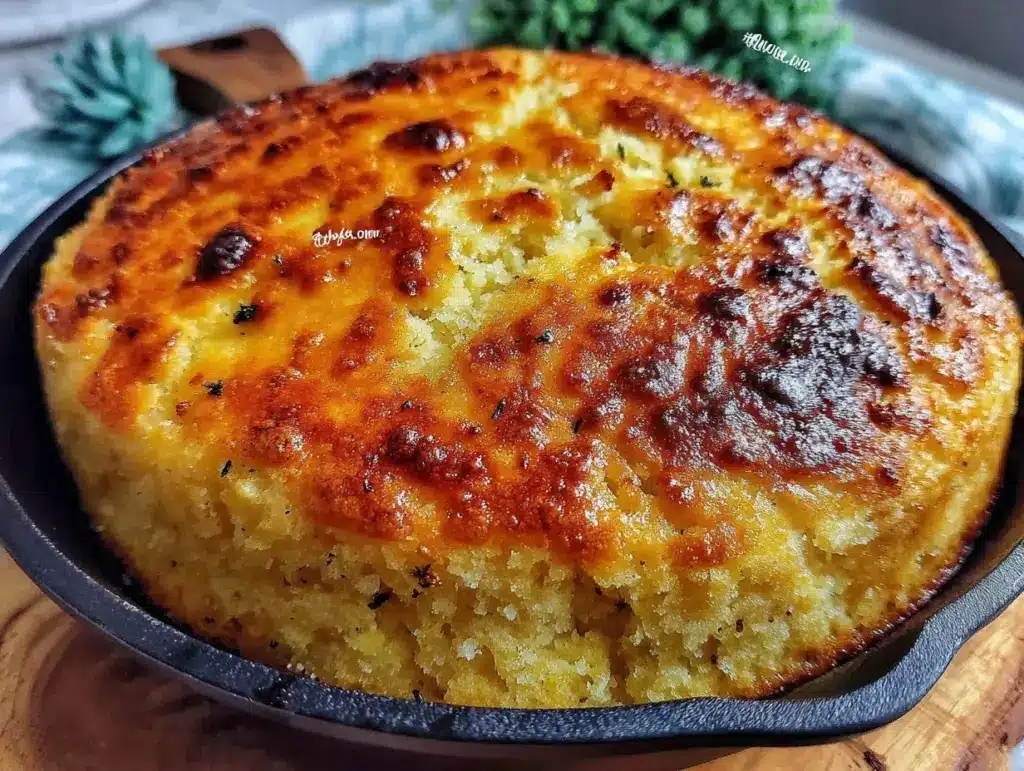
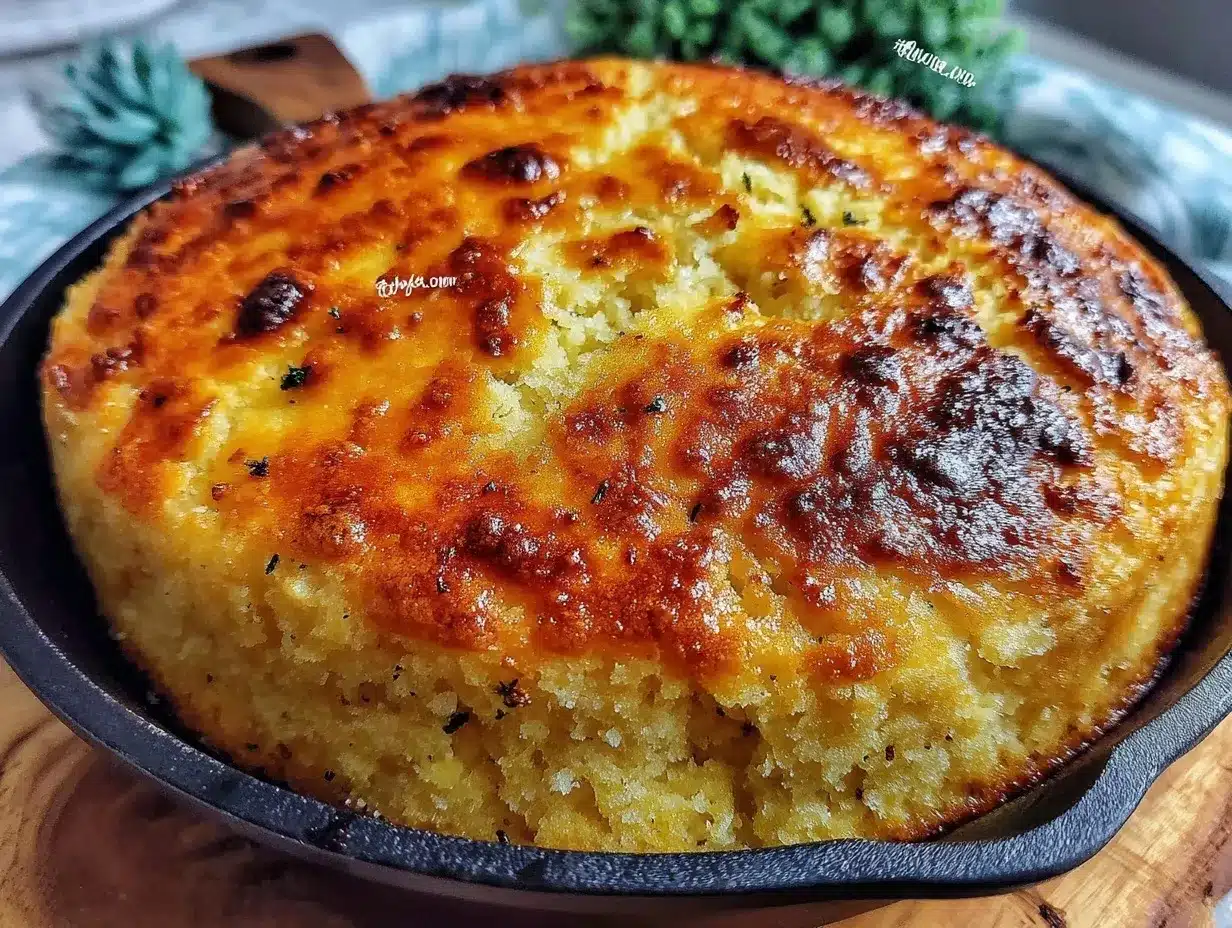
The smell of warm cornbread fresh from a cast iron skillet—crisp edges, golden top, and a tender crumb—instantly makes any meal feel like a cozy Sunday dinner. Honestly, I first fell for this cast iron skillet cornbread recipe on a chilly fall evening when I was craving something comforting but straightforward. It was love at first bite, and since then, it’s become my go-to whenever I want that perfect balance of crispy, buttery, and soft.
Let’s face it, homemade cornbread can be a little tricky if you don’t have the right tools or technique. But cooking it in a cast iron skillet changes everything—those edges get so satisfyingly crunchy without drying out the inside. After making this recipe dozens of times, tweaking it here and there, I can say it’s the easiest way to nail cornbread every time, whether you’re serving it with chili, barbecue, or just on its own with a pat of butter.
This easy homemade cornbread is a crowd-pleaser that’s perfect for weeknights, potlucks, or holiday dinners. If you’re after a recipe that’s simple to throw together but has that wow factor, stick with me. I’ll share everything you need to know to get those perfect crispy edges and a moist, tender crumb you’ll crave again and again.
Why You’ll Love This Recipe
- Quick & Easy: Ready in under 40 minutes, this cornbread recipe fits perfectly into busy schedules or last-minute meal plans.
- Simple Ingredients: No fancy stuff here—just pantry staples like cornmeal, flour, buttermilk, and eggs.
- Perfect for Any Occasion: Whether it’s a casual weeknight dinner, a family gathering, or a picnic, this cornbread shines every time.
- Cast Iron Magic: That skillet is the secret weapon for irresistibly crisp edges and an evenly cooked, golden crust.
- Crowd-Pleaser: Kids and adults alike can’t get enough of this classic Southern comfort food.
- Unbelievably Delicious: You get a tender, moist inside with just the right amount of crumbly texture, balanced by a perfectly buttery crust.
This isn’t just any cornbread recipe—it’s the one I keep coming back to because of the texture and the flavor. Using the cast iron skillet changes the game; it’s like giving your cornbread a crispy little hug all around. Plus, the slight tang from the buttermilk adds depth without overpowering the sweetness of the cornmeal. Honestly, it’s comfort food that feels a little special but never fussy.
What Ingredients You Will Need
This cast iron skillet cornbread recipe relies on a handful of simple ingredients that you probably already have on hand. Each plays a key role in creating that perfect texture and flavor balance.
- Yellow Cornmeal (1 cup / 120g) – The star of the show, providing that classic cornbread flavor and texture. I prefer a medium grind for a nice crumb.
- All-Purpose Flour (1 cup / 120g) – Helps balance the cornmeal and keeps the bread tender.
- Granulated Sugar (2 tablespoons) – Adds a touch of sweetness that complements the cornmeal’s earthiness without being overwhelming.
- Baking Powder (1 tablespoon) – For a light, fluffy rise.
- Baking Soda (1/2 teaspoon) – Works with the buttermilk for extra lift.
- Salt (1/2 teaspoon) – Enhances all the flavors.
- Buttermilk (1 cup / 240ml) – Gives moisture and a subtle tang that makes the cornbread more interesting. If you don’t have buttermilk, you can mix 1 cup milk with 1 tablespoon lemon juice or vinegar and let it sit for 5 minutes.
- Large Egg (1, room temperature) – Binds the batter together and adds richness.
- Unsalted Butter (4 tablespoons / 60g) – Melted, plus extra for the skillet—to get those golden, crispy edges and a rich flavor.
Pro Tip: For best results, use fresh baking powder and soda. I trust brands like Clabber Girl for consistent rising power. Also, if you want a dairy-free option, swap the buttermilk for coconut milk mixed with a bit of apple cider vinegar. It won’t be exactly the same but still tasty.
Equipment Needed
- Cast Iron Skillet (8 or 9-inch) – This is essential for getting the crisp edges and even heat distribution. If you don’t have one, a heavy oven-safe skillet or baking dish can work, but the texture will differ.
- Mixing Bowls – One for dry ingredients, one for wet.
- Whisk – For combining ingredients smoothly.
- Measuring Cups and Spoons – Precise measurements really matter here.
- Rubber Spatula – To fold wet and dry ingredients together without overmixing.
- Oven Mitts – Your cast iron skillet gets seriously hot, so handle with care!
If you’re on a budget, you can find a decent 8-inch cast iron skillet for under $20 at most stores or online. I’ve used both seasoned and unseasoned skillets—just remember to preheat and grease well to prevent sticking. And a quick tip: if you’re new to cast iron, a light coating of vegetable oil after washing keeps it happy and non-stick for your next batch.
Detailed Preparation Method
- Preheat Your Oven and Skillet: Set your oven to 425°F (220°C). Place your cast iron skillet inside while the oven heats so it gets nice and hot—this usually takes about 10 minutes. The hot skillet is key for crispy edges.
- Mix Dry Ingredients: In a large bowl, whisk together 1 cup (120g) yellow cornmeal, 1 cup (120g) all-purpose flour, 2 tablespoons sugar, 1 tablespoon baking powder, 1/2 teaspoon baking soda, and 1/2 teaspoon salt. Make sure they’re well combined to help the cornbread rise evenly.
- Combine Wet Ingredients: In a separate bowl, whisk 1 cup (240ml) buttermilk, 1 large egg (room temperature), and 4 tablespoons (60g) melted unsalted butter. The butter should be warm but not hot—too hot and it might cook the egg.
- Mix Batter: Slowly pour the wet ingredients into the dry mix. Use a rubber spatula to gently fold until just combined. Don’t overmix! It’s okay if a few lumps remain—that’s how you keep the cornbread tender.
- Prepare the Hot Skillet: Carefully remove the heated skillet from the oven (use oven mitts!). Add a tablespoon of butter or oil and swirl to coat the entire bottom and sides. The butter should sizzle when it hits the pan.
- Pour Batter into Skillet: Immediately pour the batter into the hot skillet and spread evenly. You should hear a gentle sizzle—this is what builds that crispy crust.
- Bake: Place the skillet back in the oven and bake for 20-25 minutes. The cornbread should be golden brown on top and a toothpick inserted in the center should come out clean.
- Cool Slightly and Serve: Let the cornbread cool in the skillet for about 10 minutes before slicing. This resting time helps it set and makes cutting easier.
Helpful Hints: If the edges brown too quickly, you can tent with foil halfway through baking. If your cornbread feels dense, double-check your baking powder’s freshness. And if you want an extra buttery crust, brush melted butter on top right after baking.
Cooking Tips & Techniques
Cooking cornbread in a cast iron skillet is an art, but a few tricks make all the difference. First, preheating the skillet is a game-changer. It gives you those crispy edges that regular pans can’t match. I’ve learned the hard way that a cold skillet leads to soggy edges, which defeats the whole point!
When mixing the batter, less is more. Overmixing activates gluten in the flour and can turn your cornbread tough. I usually fold the batter just until the ingredients come together. It might look a little lumpy, but that’s exactly how it should be.
Another tip is to use room temperature eggs and buttermilk. Cold ingredients can slow the baking process and affect texture. Also, don’t skip greasing the skillet well—cast iron is naturally non-stick when well-seasoned, but butter adds flavor and helps with that golden crust.
Lastly, timing is everything. Keep an eye on the cornbread starting at 20 minutes. Ovens vary, and you want it just right: golden on top, no wet batter inside. A toothpick test is your best friend here.
Variations & Adaptations
- Jalapeño Cheddar Cornbread: Fold in 1/2 cup shredded sharp cheddar and 1-2 diced jalapeños for a spicy, cheesy twist. Perfect alongside chili!
- Honey-Sweetened: Replace sugar with 3 tablespoons honey for a naturally sweet flavor and a slightly moister crumb.
- Gluten-Free Version: Swap all-purpose flour with a gluten-free blend or almond flour. The texture changes slightly but still delicious.
- Veggie Boost: Add 1/2 cup finely grated zucchini or corn kernels for extra moisture and a bit of texture.
- Dairy-Free Adaptation: Use coconut milk or almond milk mixed with vinegar instead of buttermilk, and substitute butter with coconut oil or dairy-free margarine.
Personally, I love the jalapeño cheddar version for game day. The melty cheese and a little heat add a whole new dimension without complicating the recipe. When I’m in a rush, I stick to classic, but the variations keep this cornbread feeling fresh and exciting.
Serving & Storage Suggestions
Serve your cast iron skillet cornbread warm, right out of the pan, with a pat of butter melting on top. It pairs wonderfully with hearty soups, stews, chili, or barbecue. For a Southern-style treat, drizzle a little honey or maple syrup over each slice.
Leftovers store well in an airtight container at room temperature for up to 2 days, or in the fridge for about a week. To freeze, wrap tightly in plastic wrap and foil, then thaw overnight in the fridge before reheating.
Reheat slices in a toaster oven or conventional oven at 350°F (175°C) for 5-7 minutes to refresh the crispiness. Microwave works for convenience but can soften the crust.
Fun fact: cornbread flavors actually deepen after a day or two, so sometimes I make it a day ahead on purpose. Just reheat gently and enjoy that rich, comforting taste.
Nutritional Information & Benefits
This cornbread recipe is a modest source of carbohydrates and protein, with about 180-220 calories per serving (1/8 of the skillet). The cornmeal provides fiber and essential minerals like magnesium and phosphorus, while buttermilk adds calcium and probiotics.
Since it’s made with simple, whole-food ingredients, it fits well into balanced diets. For gluten-free eaters, swapping the flour as mentioned keeps it inclusive. Keep in mind it contains dairy and eggs, so it’s not suitable for vegans or those with certain allergies without substitutions.
From a wellness perspective, I appreciate this recipe because it offers that comforting carb fix without overdoing sugar or processed ingredients. It’s a classic side that can be part of mindful, homemade meals.
Conclusion
If you’re after a homemade cornbread recipe that delivers perfect crispy edges with a moist, tender center, this cast iron skillet cornbread is your new best friend. It’s simple, quick, and yields that golden crust you just can’t get with other pans.
Feel free to tweak it with add-ins or swap ingredients to suit your taste and dietary needs. I love how versatile this recipe is—it can be humble or a little fancy depending on the mood. After all, good food should be easy and fun.
Give it a try, and please share your thoughts or any unique twists you come up with. I’d love to hear how it turns out for you. Happy baking!
Frequently Asked Questions
What if I don’t have buttermilk?
No worries! You can make a quick buttermilk substitute by mixing 1 cup of milk with 1 tablespoon of lemon juice or white vinegar. Let it sit for 5 minutes before using.
Can I use a regular baking pan instead of a cast iron skillet?
Yes, but the texture will be different. A cast iron skillet creates crispy edges and even heat that’s hard to match with other pans.
How do I prevent cornbread from sticking to the skillet?
Make sure your skillet is well-seasoned and preheated. Generously butter or oil the skillet before pouring in the batter to create a non-stick surface.
Can I make this cornbread vegan?
You can try replacing the egg with a flax egg and use plant-based milk with vinegar as a buttermilk substitute, plus a vegan butter alternative. The texture will be slightly different but still tasty.
How long does leftover cornbread keep?
Stored in an airtight container at room temperature, it stays fresh for about 2 days. Refrigerated, it can last up to a week, and frozen for up to 3 months.
Pin This Recipe!
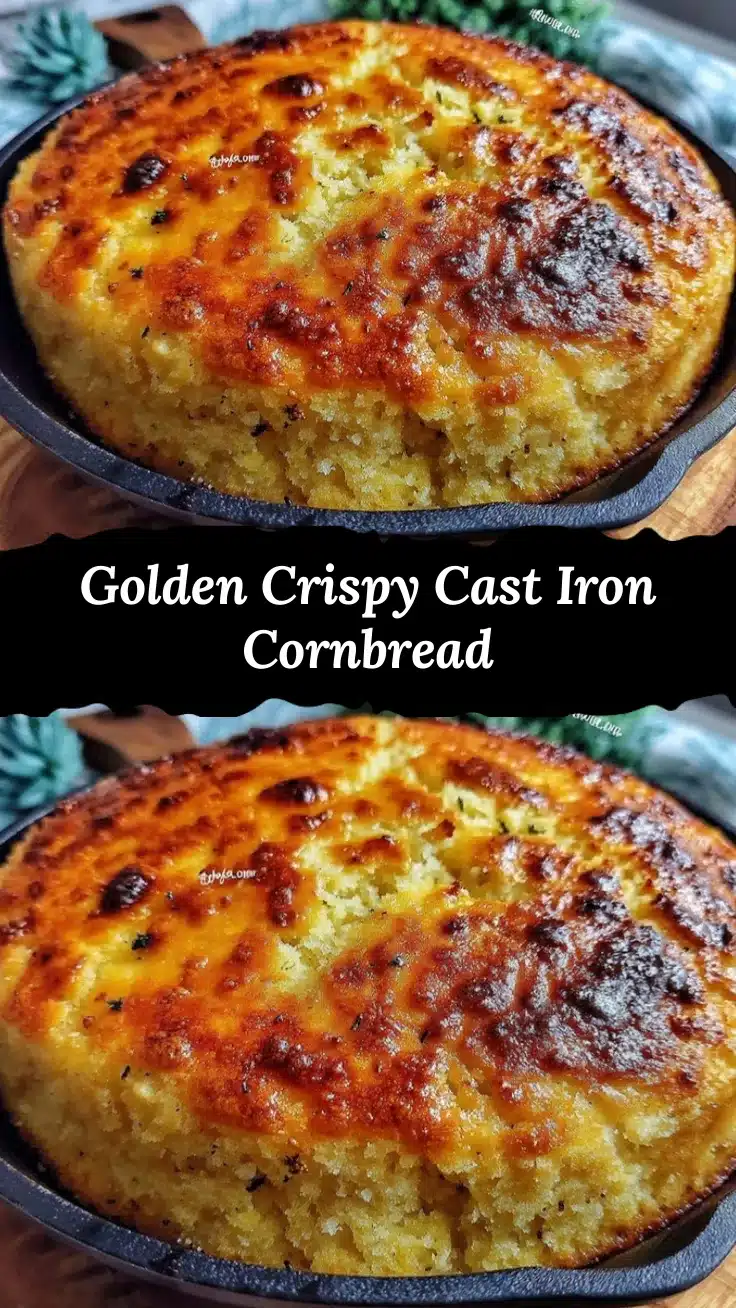
Cast Iron Skillet Cornbread

A quick and easy homemade cornbread recipe cooked in a cast iron skillet for perfect crispy edges and a tender crumb, ideal for any occasion.
- Prep Time: 10 minutes
- Cook Time: 20-25 minutes
- Total Time: 35 minutes
- Yield: 8 servings 1x
- Category: Side Dish
- Cuisine: Southern American
Ingredients
- 1 cup (120g) yellow cornmeal
- 1 cup (120g) all-purpose flour
- 2 tablespoons granulated sugar
- 1 tablespoon baking powder
- 1/2 teaspoon baking soda
- 1/2 teaspoon salt
- 1 cup (240ml) buttermilk (or 1 cup milk + 1 tablespoon lemon juice/vinegar, let sit 5 minutes)
- 1 large egg, room temperature
- 4 tablespoons (60g) unsalted butter, melted, plus extra for skillet
Instructions
- Preheat oven to 425°F (220°C). Place cast iron skillet inside to heat for about 10 minutes.
- In a large bowl, whisk together cornmeal, flour, sugar, baking powder, baking soda, and salt.
- In a separate bowl, whisk buttermilk, egg, and melted butter (warm, not hot).
- Slowly pour wet ingredients into dry ingredients and gently fold with a rubber spatula until just combined; do not overmix.
- Carefully remove hot skillet from oven using oven mitts. Add a tablespoon of butter or oil and swirl to coat bottom and sides.
- Pour batter into hot skillet and spread evenly; you should hear a gentle sizzle.
- Bake for 20-25 minutes until golden brown and a toothpick inserted in the center comes out clean.
- Let cornbread cool in skillet for about 10 minutes before slicing and serving.
Notes
Use fresh baking powder and baking soda for best rise. Preheat skillet for crispy edges. Avoid overmixing batter to keep cornbread tender. Butter the skillet well to prevent sticking. If edges brown too fast, tent with foil halfway through baking. For dairy-free, substitute buttermilk with coconut milk and vinegar, and butter with coconut oil or margarine.
Nutrition
- Serving Size: 1/8 of the skillet
- Calories: 200
- Sugar: 5
- Sodium: 350
- Fat: 9
- Saturated Fat: 5
- Carbohydrates: 27
- Fiber: 2
- Protein: 5
Keywords: cornbread, cast iron skillet, easy cornbread, homemade cornbread, crispy edges, southern comfort food