My neighbor knocked on my door holding a brown paper bag that looked suspiciously wet at the bottom. “I picked too many,” she said, shoving it into my hands. Inside, eight peaches sat bruised and weeping juice, way past their prime for eating out of hand. The farmers market had gotten the best of her again. I stood there holding this bag of almost-gone fruit, thinking about the three habaneros wilting in my fridge from that impulse buy two weeks ago. The one where I convinced myself I’d make something spicy and then promptly forgot about them.
So I did what any reasonable person would do when life hands you overripe peaches and leftover peppers. I made hot sauce. Not just any hot sauce, but this easy small batch habanero peach hot sauce that now lives permanently in my fridge door. The kind that makes you put it on things you’d never normally sauce. Eggs, obviously. But also pizza, roasted vegetables, and honestly, I’ve been known to eat it straight off a spoon when nobody’s watching. The sweetness of the peaches tames the fire of the habaneros just enough that you get this slow-building warmth instead of immediate regret. It’s the hot sauce equivalent of a friendly dragon.
This recipe stuck because it solved a problem I didn’t know I had. I wanted something with heat that didn’t obliterate everything else on my plate. Something that brought complexity, not just punishment. And it turns out, a small batch is exactly the right amount. Enough to share a jar or two, but not so much that you’re stuck with the same hot sauce for a year. Because let’s be honest, even the best hot sauce gets boring after bottle number four.
Why You’ll Love This Recipe
I’ve tested this habanero peach hot sauce more times than I care to admit. The first batch was too watery. The second batch was basically pepper soup with fruit floating in it. The third batch? That was the one where I finally understood what I was doing. And now, after all that trial and error, I can tell you exactly why this version works.
- Small Batch Perfection : This recipe makes just over a pint, which means you get to enjoy it without committing to a lifetime supply. Perfect for testing or gift-giving without the overwhelm.
- Simple Ingredients : Peaches, habaneros, vinegar, sugar, and salt. That’s it. No weird additives or hard-to-find specialty items. Your grocery store has everything.
- Customizable Heat : You control the fire. Keep the seeds for maximum burn or remove them for a milder kick that still has personality.
- No Canning Required : This is a refrigerator sauce. No water baths, no sterilizing jars for hours. Just blend, simmer, and pour.
- Unbelievably Versatile : I’ve put this on everything from these crispy loaded potato skins to simple scrambled eggs. It somehow works with both.
What makes this different from every other fruity hot sauce out there is the texture. I don’t strain it. The peaches break down into this velvety smoothness that clings to whatever you’re saucing. No watery separation, no chunky bits floating around. It’s emulsified in a way that feels intentional, not accidental. And that sweetness from the peaches isn’t cloying. It’s balanced. The kind of balance that makes you wonder why you haven’t been putting fruit in your hot sauce all along.
This is the hot sauce that makes people ask for the recipe. The one that disappears fastest at gatherings. And honestly, it’s the kind of recipe that makes you feel like a kitchen genius with almost zero effort.
Ingredients You Will Need
This recipe relies on a short list of ingredients, each playing a specific role in creating that perfect sweet-heat balance. Nothing here is wasted, and everything works together.
- 3 ripe peaches (medium-sized, peeled and roughly chopped) – The sweetness and acidity of the peaches form the base of this sauce. Use peaches that are soft but not mushy. If your peaches are underripe, the sauce will be more tart than sweet. In a pinch, frozen peaches work, but thaw and drain them first to avoid excess water.
- 2 habanero peppers (stems removed, seeds optional) – These bring the heat. Habaneros have a fruity, almost floral quality that pairs beautifully with peaches. For a milder sauce, remove all seeds and membranes. For serious heat, leave everything in. I usually leave the seeds in one pepper and remove them from the other for medium heat that still has character.
- 1/2 cup apple cider vinegar – The acidity brightens everything and helps preserve the sauce. Apple cider vinegar adds a subtle fruity note that complements the peaches. White vinegar works too, but you’ll lose a little complexity.
- 1/4 cup water – Helps the sauce blend smoothly and reach the right consistency. You can adjust this depending on how thick you like your hot sauce.
- 2 tablespoons honey or maple syrup – This rounds out the heat and adds depth. Honey gives a floral sweetness, while maple syrup adds a slightly smokier note. Both work beautifully.
- 1/2 teaspoon salt – Salt is crucial. It doesn’t just season the sauce; it helps balance the sweetness and heat so nothing feels one-dimensional. I use fine sea salt here.
- 1 clove garlic (optional, but recommended) – Adds a savory backbone that keeps the sauce from tasting like a dessert. Roasted garlic would be even better if you have it on hand.
Ingredient Notes & Substitutions
If you can’t find fresh peaches, frozen peaches work surprisingly well. Just make sure to thaw them completely and drain off any excess liquid before using. For a completely sugar-free version, skip the honey or maple syrup entirely. The peaches provide enough natural sweetness, though the sauce will be noticeably tarter.
For a different flavor profile, try swapping half the habaneros for jalapeños. You’ll get a milder sauce with a greener, grassier flavor. Or use mango instead of peaches for a tropical twist. The method stays exactly the same.
Equipment Needed
You don’t need a fancy kitchen to make this hot sauce. Here’s what you’ll actually use:
- Blender or food processor – A high-speed blender works best for getting that silky smooth texture. If you’re using a food processor, you might need to blend a little longer and scrape down the sides more often.
- Small saucepan – For simmering the sauce after blending. A 1 or 2-quart saucepan is perfect.
- Chef’s knife and cutting board – For prepping the peaches and peppers. Use a separate cutting board for the habaneros if you’re worried about residual heat.
- Vegetable peeler – Makes peeling the peaches much easier. You can also blanch them in boiling water for 30 seconds if the peels are stubborn.
- Fine-mesh strainer (optional) – If you want an ultra-smooth sauce without any fiber or seeds. I don’t bother with this step, but it’s an option if texture is a concern.
- Glass jar or bottle – For storing the finished sauce. A 16-ounce mason jar works perfectly. Make sure it’s clean and dry before filling.
- Rubber gloves – Trust me on this one. Habanero oils linger on your skin for hours. Wearing gloves while handling the peppers saves you from accidentally rubbing your eyes later.
My blender is a basic model I’ve had for years, and it handles this sauce just fine. Don’t feel pressured to buy expensive equipment for a simple recipe like this.
Preparation Method
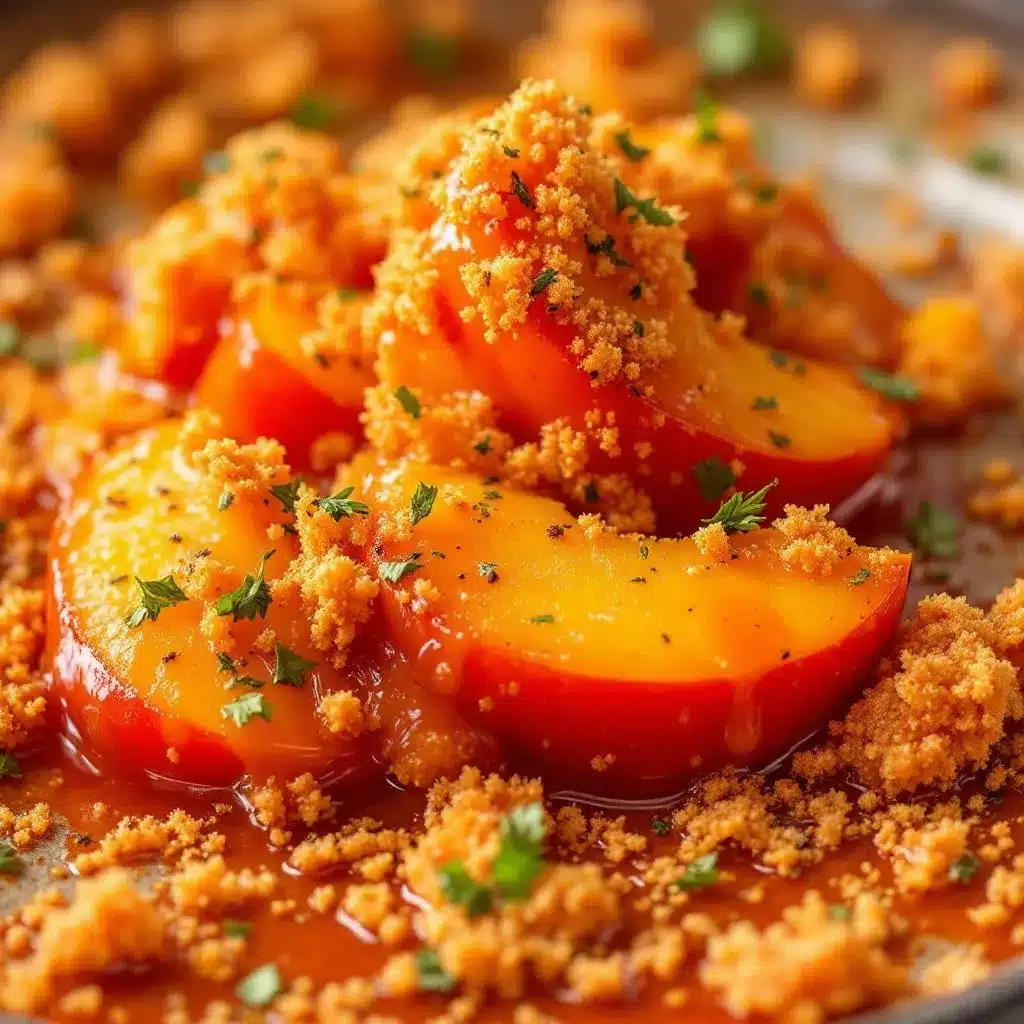
This whole process takes about 30 minutes from start to finish. Most of that time is hands-off simmering, so you can clean up or prep other things while the sauce comes together.
- Prep the peaches. Bring a small pot of water to a boil. Score an X on the bottom of each peach and drop them in for 30 seconds. Transfer to a bowl of ice water. The skins should slip right off. Remove the pits and roughly chop the flesh. You should have about 2 cups of chopped peaches.
- Handle the habaneros carefully. Put on those rubber gloves. Remove the stems from the habaneros. If you want less heat, slice each pepper in half and scrape out the seeds and white membranes with a small spoon. If you want maximum heat, leave everything intact. Roughly chop the peppers.
- Combine everything in the blender. Add the chopped peaches, habaneros, apple cider vinegar, water, honey (or maple syrup), salt, and garlic clove to your blender. Pulse a few times to break everything down, then blend on high for 30 to 45 seconds until completely smooth. The mixture should look like a thick, orange liquid with no visible chunks.
- Simmer the sauce. Pour the blended mixture into your small saucepan. Bring it to a gentle simmer over medium heat, then reduce the heat to low. Let it cook uncovered for 15 to 20 minutes, stirring occasionally. You’ll notice the color deepen and the sauce thicken slightly. The raw vinegar smell will mellow out as it cooks.
- Taste and adjust. After 15 minutes, carefully taste the sauce. Use a clean spoon, and don’t double-dip. This is your chance to adjust. Need more sweetness? Add another teaspoon of honey. Want more heat? You can’t really add heat after cooking, but you can blend in a tiny pinch of cayenne if needed. Need more acidity? A splash of extra vinegar will brighten it up.
- Cool and bottle. Remove the saucepan from heat and let the sauce cool completely at room temperature. It will continue to thicken as it cools. Once cool, pour it into your clean glass jar or bottle. Seal tightly and refrigerate.
- Let it rest (optional but recommended). The flavors meld and deepen overnight. If you can wait 24 hours before diving in, you’ll be rewarded with a more cohesive, complex sauce. I know that’s hard to do when it smells this good, but trust the process.
Sensory Cues
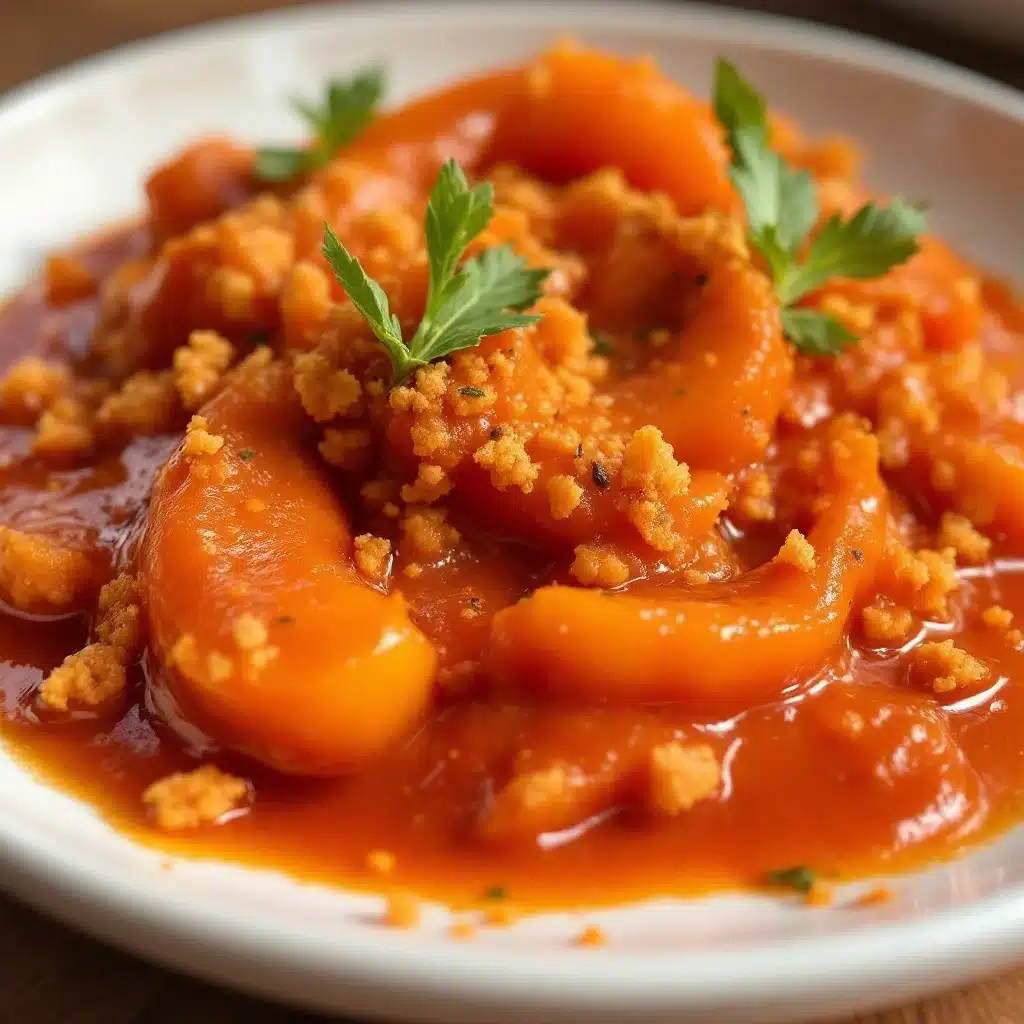
When you first blend the ingredients, the mixture will be a bright, almost neon orange. As it simmers, it darkens to a deeper amber color. The smell shifts from sharp and vinegary to warm and fruity with an unmistakable peppery kick. You’ll know it’s done simmering when the sauce has reduced slightly and coats the back of a spoon like a thin syrup.
Common Issue Fix
If your sauce tastes too vinegary after simmering, let it cool completely and taste again. The vinegar sharpness fades significantly as the sauce sits. If it’s still too sharp, add a tiny pinch of sugar to balance it out.
Cooking Tips & Techniques
I learned most of these lessons the hard way. Like the time I didn’t wear gloves and spent an hour with my hands in a bowl of milk trying to neutralize the burn. Or the batch I oversimmered into a sticky paste that was basically peach habanero jam. Here’s what I wish someone had told me from the start.
Don’t skip the peeling. Peach skins contain tannins that can make your sauce taste slightly bitter. I know it’s an extra step, but the blanch-and-shock method makes it almost effortless. If you’re truly pressed for time, you can leave the skins on, but the texture won’t be as smooth and the flavor might have a subtle astringency.
Simmer, don’t boil. Boiling the sauce can cause it to separate and develop a slightly cooked, flat flavor. A gentle simmer is all you need. You should see tiny bubbles breaking the surface, not a rolling boil. This gentle heat allows the flavors to meld without losing their brightness.
Blend in stages if needed. If your blender struggles with the volume, blend the peaches and vinegar first until smooth, then add the peppers and blend again. This prevents the peppers from getting stuck under the blades.
Use a splatter screen. Hot sauce has a tendency to sputter as it simmers. A splatter screen keeps your stovetop clean and prevents tiny droplets of spicy vinegar from landing on your skin. I learned this one after a particularly aggressive bubble sent a drop into my eye. Not recommended.
Label your jar. This sounds obvious, but homemade hot sauce looks a lot like apple juice or some kind of fruit puree in the fridge. Label it clearly, especially if you have kids or roommates who might mistake it for something drinkable. Trust me, nobody wants that discovery.
Variations & Adaptations
Once you’ve made the basic version, the possibilities open up. Here are a few variations I’ve tried and loved.
Mango Habanero Hot Sauce – Swap the peaches for equal parts ripe mango. The result is slightly less sweet and more tropical. Add a squeeze of lime juice at the end for brightness. This version pairs incredibly well with fish tacos or these 5 ingredient beef tacos.
Smoky Peach Hot Sauce – Grill the peaches and the habaneros before blending. Cut the peaches in half, remove the pits, and grill cut-side down over medium-high heat for 3 to 4 minutes until char marks appear. Toss the whole habaneros on the grill for 2 minutes per side. The smokiness adds incredible depth and complexity.
Low-Sugar Version – Omit the honey or maple syrup entirely. The peaches provide enough natural sweetness for a tart, intensely fruity hot sauce. You might want to add an extra pinch of salt to balance the acidity.
Extra Garlic Lovers – Add 3 or 4 cloves of roasted garlic instead of one raw clove. The roasted garlic brings a mellow, buttery sweetness that complements the peaches beautifully. Just squeeze the roasted cloves out of their skins before adding them to the blender.
Herb-Infused – Add a small handful of fresh cilantro or a sprig of fresh thyme to the blender. The herbs add an unexpected freshness that cuts through the heat. Strain the sauce after blending if you don’t want green flecks throughout.
Serving & Storage Suggestions
This hot sauce is best served at room temperature or slightly chilled. I usually take it out of the fridge about 15 minutes before using so the flavors can open up. Cold temperatures mute both the sweetness and the heat.
What to put it on
Beyond the obvious eggs and tacos, this sauce is incredible on roasted vegetables, grilled chicken, fish, and even pizza. I’ve drizzled it over cream cheese with crackers for an instant appetizer that disappears in minutes. It also works beautifully as a marinade base for chicken or shrimp. Just mix a few tablespoons with olive oil and let everything sit for 30 minutes before cooking.
Storage Instructions
Store the sauce in an airtight glass jar in the refrigerator. It will keep for up to 3 weeks. The vinegar and sugar act as natural preservatives, but because this is a small batch with no canning process, refrigeration is essential. I’ve kept mine for a month with no issues, but the flavor is best within the first two weeks.
Freezing Option
This sauce freezes beautifully. Pour it into ice cube trays and freeze until solid. Pop out the cubes and store them in a freezer bag. Each cube is about 2 tablespoons, perfect for adding a hit of sweet heat to soups, stews, or sauces. Frozen cubes will keep for up to 3 months.
Reheating
If you’ve frozen the sauce, thaw it in the refrigerator overnight or run the frozen cube under warm water. Give it a good stir before using, as the texture might separate slightly during freezing. A quick blitz with an immersion blender or a vigorous shake in the jar brings it right back.
Flavor Development
The sauce mellows and deepens over time. The first day, the heat is sharp and upfront. By day three, the sweetness and heat have settled into a more harmonious balance. By day seven, it’s at its peak. This is another reason to make a small batch — you get to enjoy it through its entire lifecycle without it going bad.
Nutritional Information & Benefits
Because this is a hot sauce, the serving size is small. A typical serving is about 1 tablespoon (15 ml). Here are the estimated values per tablespoon:
| Nutrient | Amount per tbsp |
|---|---|
| Calories | 15 |
| Total Fat | 0g |
| Sodium | 75mg |
| Total Carbohydrates | 4g |
| Sugars | 3g |
| Protein | 0g |
Health Benefits
Habaneros contain capsaicin, which has been studied for its anti-inflammatory properties and ability to boost metabolism. Peaches are rich in vitamins A and C, plus antioxidants that support immune health. The apple cider vinegar in this recipe may aid digestion and help regulate blood sugar levels when consumed as part of a balanced diet.
Dietary Considerations
This recipe is naturally gluten-free, dairy-free, and vegan if you use maple syrup instead of honey. It contains no common allergens beyond potential cross-contamination if using shared equipment. Always check your vinegar and spice labels if you have specific dietary concerns.
Personal Wellness Perspective
I love that this sauce lets me add big flavor without adding big calories. A drizzle transforms a simple bowl of black-eyed peas or roasted vegetables into something exciting. It’s proof that eating well doesn’t have to be boring.
Conclusion
This small batch habanero peach hot sauce is the kind of recipe that makes you feel like you’ve discovered a secret. It’s surprisingly simple, incredibly versatile, and delivers a flavor payoff that far exceeds the effort required. The sweetness of the peaches tames the fire of the habaneros in a way that feels intentional and balanced. Not too hot, not too sweet. Just right.
I love that this recipe encourages experimentation. Use different fruits, adjust the heat level, add herbs or spices. The basic method is forgiving enough to handle almost any variation you throw at it. And because it’s a small batch, there’s no pressure to get it perfect on the first try. You can tweak and adjust until it tastes exactly the way you want.
If you make this sauce, I’d love to hear about it. Drop a comment below and tell me what you put it on. Did you make it spicier? Sweeter? Did you try it with mango instead of peaches? Your experiments might inspire someone else’s next kitchen adventure. And if you really love it, share this recipe with a friend who needs a little more heat in their life. Happy saucing!
Frequently Asked Questions
Can I use canned peaches instead of fresh?
Yes, but drain them well first. Canned peaches are packed in syrup or juice, which will make your sauce sweeter and thinner. Reduce or omit the added honey if using canned peaches in syrup.
How can I make this sauce less spicy?
Remove all the seeds and white membranes from the habaneros before blending. You can also use just one pepper instead of two. For an even milder version, swap one habanero for a jalapeño.
Why is my hot sauce separating?
Separation happens when the sauce cools too quickly or if it wasn’t blended long enough. A quick shake or stir before each use fixes this. For a more stable emulsion, add a teaspoon of mustard powder or xanthan gum to the blender.
Can I can this sauce for long-term storage?
This recipe is not formulated for safe water bath canning. The low acidity from the peaches makes it unsuitable for shelf-stable preservation. Keep it refrigerated or frozen for best results.
How do I clean my blender after making hot sauce?
Rinse the blender jar with hot water and a drop of dish soap immediately after pouring out the sauce. Blend soapy water for 30 seconds, then rinse thoroughly. The heat from the peppers can linger in plastic blender jars, so washing immediately helps minimize that.
Pin This Recipe!
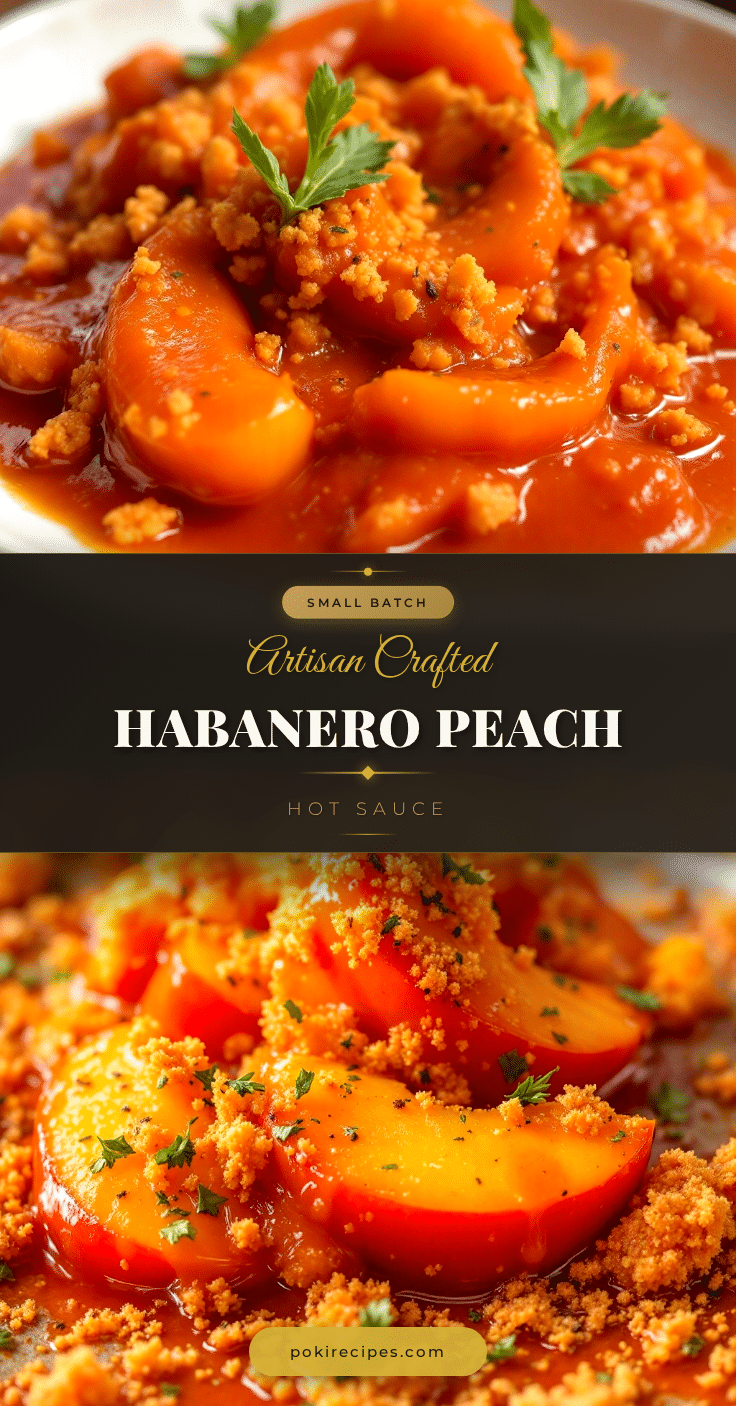
Easy Small Batch Habanero Peach Hot Sauce

This easy small batch habanero peach hot sauce balances sweet peaches with fiery habaneros for a slow-building warmth that enhances everything from eggs to pizza. Made with simple ingredients and no canning required, it’s the perfect refrigerator sauce for adding complex heat to any dish.
- Prep Time: 15 minutes
- Cook Time: 20 minutes
- Total Time: 35 minutes
- Yield: 1 pint (about 16 servings) 1x
- Category: Condiment
- Cuisine: American
Ingredients
- 3 ripe peaches (medium-sized, peeled and roughly chopped)
- 2 habanero peppers (stems removed, seeds optional)
- 1/2 cup apple cider vinegar
- 1/4 cup water
- 2 tablespoons honey or maple syrup
- 1/2 teaspoon salt (fine sea salt)
- 1 clove garlic (optional, but recommended)
Instructions
- Prep the peaches: Bring a small pot of water to a boil. Score an X on the bottom of each peach and drop them in for 30 seconds. Transfer to a bowl of ice water. The skins should slip right off. Remove the pits and roughly chop the flesh. You should have about 2 cups of chopped peaches.
- Handle the habaneros carefully: Put on rubber gloves. Remove the stems from the habaneros. If you want less heat, slice each pepper in half and scrape out the seeds and white membranes with a small spoon. If you want maximum heat, leave everything intact. Roughly chop the peppers.
- Combine everything in the blender: Add the chopped peaches, habaneros, apple cider vinegar, water, honey (or maple syrup), salt, and garlic clove to your blender. Pulse a few times to break everything down, then blend on high for 30 to 45 seconds until completely smooth. The mixture should look like a thick, orange liquid with no visible chunks.
- Simmer the sauce: Pour the blended mixture into your small saucepan. Bring it to a gentle simmer over medium heat, then reduce the heat to low. Let it cook uncovered for 15 to 20 minutes, stirring occasionally. You’ll notice the color deepen and the sauce thicken slightly. The raw vinegar smell will mellow out as it cooks.
- Taste and adjust: After 15 minutes, carefully taste the sauce. Use a clean spoon, and don’t double-dip. This is your chance to adjust. Need more sweetness? Add another teaspoon of honey. Want more heat? You can’t really add heat after cooking, but you can blend in a tiny pinch of cayenne if needed. Need more acidity? A splash of extra vinegar will brighten it up.
- Cool and bottle: Remove the saucepan from heat and let the sauce cool completely at room temperature. It will continue to thicken as it cools. Once cool, pour it into your clean glass jar or bottle. Seal tightly and refrigerate.
- Let it rest (optional but recommended): The flavors meld and deepen overnight. If you can wait 24 hours before diving in, you’ll be rewarded with a more cohesive, complex sauce.
Notes
Don’t skip peeling the peaches as the skins contain tannins that can make the sauce bitter. Simmer gently, don’t boil, to prevent separation. Wear rubber gloves when handling habaneros to avoid skin irritation. The sauce will keep in the refrigerator for up to 3 weeks, or freeze in ice cube trays for up to 3 months. For a smoother texture, strain through a fine-mesh strainer after blending.
Nutrition
- Serving Size: 1 tablespoon (15 ml)
- Calories: 15
- Sugar: 3
- Sodium: 75
- Carbohydrates: 4
Keywords: habanero peach hot sauce, small batch hot sauce, homemade hot sauce, peach hot sauce, spicy condiment, easy hot sauce recipe, refrigerator hot sauce