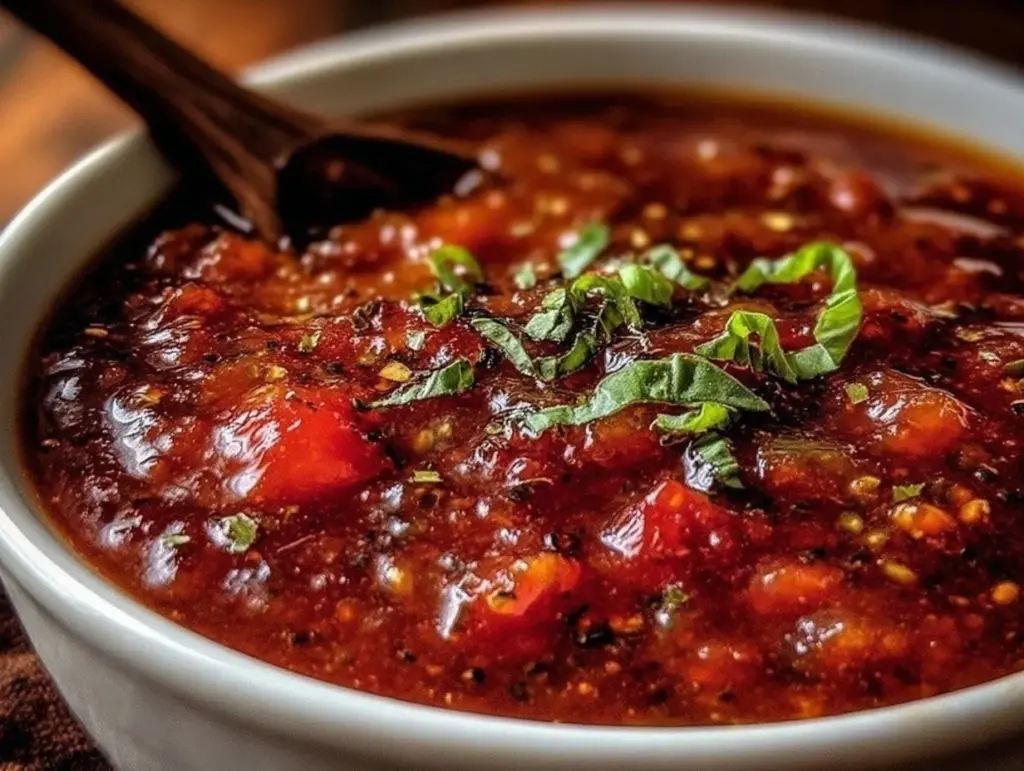
The warmth of sun-ripened tomatoes bursting open on my tongue—that’s the first thing that hits me every time I simmer this fresh homemade tomato sauce with no water added. It’s a smell and a flavor that drifts me back to those long, unhurried summer afternoons in my grandmother’s kitchen, where the air hung thick with the rich scent of stewing tomatoes and crushed garlic. The sound of the sauce bubbling gently on the stove was like a soft lullaby, coaxing everyone to gather around the table.
I remember those moments well—the sticky hands from wiping tomato juice off the counter, the impatient stirring while waiting for the sauce to thicken, and the way the kitchen light danced on the vibrant red bubbling pot. This tomato sauce recipe, no water added, isn’t just about cooking; it’s about capturing that season’s essence in a jar, holding on to the pure, unfiltered taste of garden-fresh tomatoes. It’s a recipe that’s taught me patience, but also the joy of simplicity—letting the natural flavors take center stage without diluting them.
Honestly, making this sauce felt like a small act of love, a quiet ritual that turns ordinary pasta nights into something you remember. The no-water approach means the sauce is intensely tomatoey, thick, and naturally sweet—a far cry from the watery, bland sauces you sometimes get from the store. It’s a reminder that sometimes the best dishes come from slowing down and trusting the ingredients themselves, without rushing to change or mask them.
What sticks with me the most is how this homemade tomato sauce holds a promise: that good food is about connection, about savoring moments, and about making something simple taste unforgettable. That’s why I keep coming back to this recipe, every season, every time I want to feel that sun-soaked kitchen magic again.
Why You’ll Love This Fresh Homemade Tomato Sauce Recipe
After many trials, this fresh homemade tomato sauce no water added has become my go-to for pasta and more. It’s not just about flavor—it’s about the experience of making something wholesome and real. Here’s why it stands out:
- Quick & Easy: You can have this sauce simmering in about 30 minutes, perfect for busy weeknights when you crave something fresh and homemade without fuss.
- Simple Ingredients: No need for complicated spices or add-ins. Just ripe tomatoes, garlic, olive oil, and a few pantry staples—ingredients you probably already have on hand.
- Perfect for Pasta & More: This sauce works beautifully for spaghetti, lasagna, or even as a base for homemade pizza. Its thick, concentrated flavor means it clings beautifully to noodles.
- Crowd-Pleaser: Friends and family always ask for the recipe. The natural sweetness and fresh tomato punch make it a hit with both kids and adults.
- Unbelievably Delicious: The no-water method means the sauce is rich and velvety, with a depth that’s hard to find in store-bought sauces.
What really makes this fresh homemade tomato sauce different is the technique of cooking tomatoes down slowly without adding water. This keeps all the natural juices and intensifies the flavor rather than diluting it. Plus, I like to add a touch of fresh basil at the end, which lifts the whole thing without overpowering the natural tomato taste.
This sauce isn’t just a recipe—it’s comfort food reimagined, where pure tomato flavor shines through in every bite. It’s a dish you can feel good about serving, whether you’re making a quick dinner or preparing something special for guests.
What Ingredients You Will Need
This fresh homemade tomato sauce uses simple, wholesome ingredients to deliver bold flavor and satisfying texture without the fuss. Most are pantry staples, and substitutions are easy if needed.
- Fresh Tomatoes (about 4 lbs / 1.8 kg): Choose ripe, firm tomatoes like Roma or plum tomatoes for the best flavor and texture. These tomatoes have fewer seeds and less water content.
- Extra Virgin Olive Oil (3 tablespoons): Adds richness and helps caramelize the garlic and tomato sugars. I love using a fruity brand like California Olive Ranch for a balanced taste.
- Garlic (4 cloves, minced): Fresh garlic gives a warm, aromatic backbone. Avoid pre-minced garlic for the best flavor.
- Onion (1 small, finely chopped): Adds subtle sweetness and depth. Yellow onion works well here.
- Salt (1 teaspoon): Enhances natural flavors. Use sea salt or kosher salt for a clean finish.
- Black Pepper (¼ teaspoon, freshly ground): Adds gentle heat and complexity.
- Fresh Basil Leaves (a handful, torn): Added at the end for a bright, herbal note. If fresh isn’t available, dried basil (1 teaspoon) can substitute but fresh is best.
- Optional – Red Pepper Flakes (⅛ teaspoon): For a slight kick if you like a little heat.
Substitution tips: If fresh tomatoes are out of season, canned whole tomatoes (preferably San Marzano) can be used, but the sauce will be less vibrant. For a dairy-free or vegan lifestyle, this recipe is naturally compliant—no changes needed.
Keep in mind: the real magic here is letting the tomatoes shine, so avoid heavy seasoning or added sugars. The natural sweetness comes through when you cook them slowly without adding water.
Equipment Needed
- Large Heavy-Bottomed Pot or Dutch Oven: Essential for even heat distribution and preventing the sauce from scorching while simmering.
- Sharp Knife and Cutting Board: For chopping tomatoes, garlic, and onions.
- Wooden Spoon or Silicone Spatula: For stirring gently without scratching your cookware.
- Blender or Immersion Blender (optional): If you prefer a smoother sauce, blending at the end works wonders. I personally like a bit of texture, so I often skip this.
- Fine Mesh Strainer (optional): For straining seeds if you want a silky smooth sauce.
If you don’t have a Dutch oven, a heavy saucepan will do. Just keep an eye on the sauce to avoid burning. For blending, an immersion blender is easier to clean and safer than transferring hot sauce to a regular blender.
As a budget-friendly tip, I’ve found that a sturdy wooden spoon lasts forever and adds a nostalgic touch to the cooking process. Avoid metal spoons that can react with acidic tomatoes.
Preparation Method
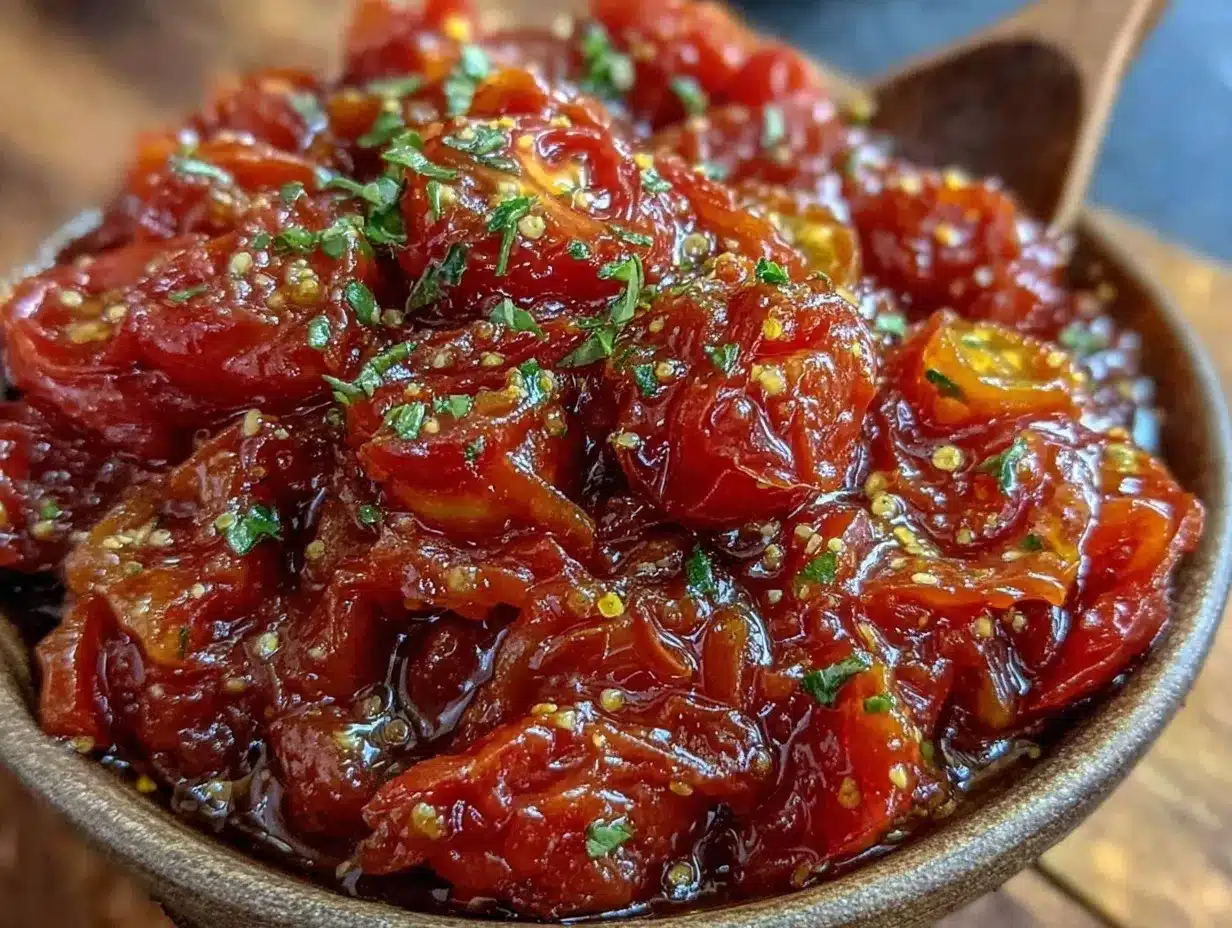
- Prepare the Tomatoes (15-20 minutes): Start by washing your tomatoes thoroughly. Core and roughly chop them into chunks. For a smoother sauce, you can peel the tomatoes by scoring an “X” at the bottom and blanching them in boiling water for 30 seconds, then plunging into ice water. The skins will slip right off. I don’t always peel, especially if the tomatoes are very ripe and tender.
- Sauté Aromatics (5 minutes): Heat the olive oil in your pot over medium heat. Add the minced garlic and chopped onion and sauté until fragrant and soft, about 3-5 minutes. You want them translucent, not browned, to avoid bitterness.
- Add Tomatoes and Season (5 minutes): Add your chopped tomatoes to the pot along with salt, black pepper, and optional red pepper flakes. Stir gently to combine. The tomatoes will start releasing their juices immediately, but remember—no water added here!
- Simmer Low and Slow (30-40 minutes): Reduce heat to low and let the sauce simmer uncovered. Stir occasionally to prevent sticking, especially toward the end. You’ll notice the sauce thickening naturally as water evaporates. This stage is key to concentrating the flavors and achieving that luscious, thick texture.
- Check and Adjust (5 minutes): Taste your sauce and adjust seasoning if needed. If the sauce tastes too acidic, a tiny pinch of sugar can balance it, but honestly, the no-water method usually brings out enough natural sweetness.
- Add Fresh Basil (Last 2 minutes): Stir in torn fresh basil leaves just before turning off the heat. This keeps their flavor bright and fresh, giving the sauce a lovely herbal lift.
- Blend if Desired: If you want a smoother consistency, use an immersion blender directly in the pot or transfer to a blender in batches. Be careful with hot liquids.
Pro tip: Keep the simmer low and be patient. Rushing with high heat can scorch your sauce or make it taste bitter. The slow cooking brings out that deep, rich tomato flavor you’re after.
And yes, this sauce is perfect for tossing with spaghetti or layering in a classic lasagna—try pairing it with my 5 Ingredient Chicken Alfredo for a comforting dinner combo that balances fresh tomato tang with creamy indulgence.
Cooking Tips & Techniques for Perfect Tomato Sauce
Making tomato sauce from scratch can seem intimidating, but these tips will keep you on track:
- Use Ripe Tomatoes: Flavor depends heavily on tomato quality. Avoid underripe or mealy tomatoes—they just won’t have the right sweetness or body.
- Don’t Add Water: It’s tempting when the sauce looks dry early on, but trust the tomatoes. The water content will release and reduce, intensifying the flavor.
- Low & Slow Is the Way: High heat can break down the sauce too fast, making it bitter or uneven. I’ve burned sauces before by rushing—don’t be like me!
- Season Gradually: Salt early to draw out flavors, but add herbs like basil at the end to keep their brightness.
- Stir Gently: Vigorous stirring can break down tomatoes too much and cause a watery sauce. A gentle fold is better.
- Patience Pays Off: Let the sauce reduce naturally. It thickens beautifully without extra thickeners.
This method has saved me countless times when I needed a reliable sauce that wasn’t watery or bland. It’s a solid foundation for experimenting with other herbs or adding extras like olives or capers if you want to try Mediterranean flavors.
Variations & Adaptations
Here are some ways to tweak this fresh homemade tomato sauce to suit your taste or dietary needs:
- Spicy Tomato Sauce: Add extra red pepper flakes or a splash of hot sauce during simmering for a bit of heat.
- Herb-Infused: Swap basil for fresh oregano, thyme, or rosemary for different herbal profiles. Adding a bay leaf while simmering adds depth, just remember to remove it before serving.
- Roasted Tomato Sauce: Roast the tomatoes and garlic in the oven before simmering. This adds a smoky sweetness and richer flavor.
- Chunky vs. Smooth: Leave the sauce chunky for rustic pasta dishes or blend until silky for pizza or dipping sauces.
- Allergen-Friendly: This recipe is naturally gluten-free, dairy-free, and vegan. Just double-check any add-ins to keep it allergy-safe.
Personally, I like to make a batch with fresh basil for pasta and another with oregano and a touch of smoked paprika for a smoky twist that pairs well with grilled meats. It’s a versatile recipe that lets you get creative while keeping the core tomato flavor front and center.
Serving & Storage Suggestions
This fresh homemade tomato sauce is best served warm, spooned generously over your favorite pasta, like a classic spaghetti or hearty penne. It also makes a perfect base for dishes like eggplant parmesan or baked ziti.
Try pairing it with a simple green salad and crusty bread to soak up every last drop. For a cozy meal, toss some cooked pasta right into the sauce pot to finish cooking together—that way every strand is coated in that rich, no-water goodness.
Store leftovers in an airtight container in the refrigerator for up to 4 days. The flavors deepen over time, making it even better the next day. For longer storage, freeze in portions for up to 3 months. Thaw gently in the fridge overnight and reheat on the stove over low heat, stirring occasionally.
When reheating, add a splash of olive oil or a pinch of fresh herbs to refresh the sauce. Avoid microwaving if possible, as it can alter texture and flavor.
If you enjoy breakfast dishes with savory tomato touches, you might appreciate the creamy simplicity of my soft scrambled eggs Gordon Ramsay style, which pairs well with a dollop of this sauce on the side.
Nutritional Information & Benefits
This fresh homemade tomato sauce is naturally low in calories and fat but rich in vitamins and antioxidants. A typical serving (about ½ cup or 125 ml) contains roughly:
| Nutrient | Amount |
|---|---|
| Calories | 70 |
| Fat | 4 g (mainly from olive oil) |
| Carbohydrates | 9 g |
| Fiber | 2 g |
| Vitamin C | 20% DV |
| Lycopene (antioxidant) | High |
Tomatoes are a fantastic source of lycopene, a powerful antioxidant linked to heart health and reduced inflammation. The olive oil adds healthy fats that help your body absorb these nutrients better.
For those watching carbs, this sauce is low-carb and naturally gluten-free, making it suitable for many diets. Just be mindful of any added sugars if you tweak the recipe.
From a wellness standpoint, this sauce feels like a little daily dose of sunshine in a bowl—a fresh, wholesome way to enjoy the benefits of real food without additives.
Conclusion
This fresh homemade tomato sauce no water added stands out because it’s simple, honest, and full of real tomato flavor that reminds me of summer kitchens and slow afternoons. It’s a recipe that welcomes customization but never loses sight of its core: fresh, ripe tomatoes cooked slowly to bring out their natural sweetness and richness.
Whether you’re whipping up a quick pasta dinner on a weeknight or layering it in a special baked dish, this sauce delivers every time. I love how it turns ordinary meals into something comforting and memorable without complicated steps or ingredients.
Give it a try, play around with your favorite herbs or spice levels, and make it your own. I’d love to hear how you adapt it or what dishes you pair it with—so please leave a comment or share your photos. Here’s to many cozy meals made better with fresh homemade tomato sauce!
FAQs About Fresh Homemade Tomato Sauce No Water Added
Can I use canned tomatoes instead of fresh for this sauce?
You can, but fresh tomatoes give the best flavor and texture, especially when cooking without added water. If using canned, choose high-quality whole peeled tomatoes and reduce cooking time slightly.
Why shouldn’t I add water to the sauce?
Adding water dilutes the natural juices and flavor of the tomatoes. Cooking the sauce slowly allows the tomatoes to release their own liquid and thicken naturally for a richer taste.
How long can I store homemade tomato sauce in the fridge?
Stored in an airtight container, it keeps for up to 4 days. For longer storage, freeze it in portions for up to 3 months.
Is this sauce suitable for freezing?
Yes! Freeze in freezer-safe containers or bags. Thaw in the fridge overnight and reheat gently on the stove.
Can I make this sauce spicy?
Definitely. Add red pepper flakes or a splash of hot sauce during simmering to give it a spicy kick that complements the fresh tomato flavor.
Pin This Recipe!
Fresh Homemade Tomato Sauce Recipe Easy No Water Added Perfect for Pasta

A rich and velvety homemade tomato sauce made from fresh ripe tomatoes simmered slowly without adding water, perfect for pasta and more.
- Prep Time: 15-20 minutes
- Cook Time: 40-50 minutes
- Total Time: 55-70 minutes
- Yield: About 4 cups (8 servings) 1x
- Category: Sauce
- Cuisine: Italian
Ingredients
- 4 lbs fresh ripe tomatoes (Roma or plum tomatoes preferred)
- 3 tablespoons extra virgin olive oil
- 4 cloves garlic, minced
- 1 small onion, finely chopped
- 1 teaspoon salt (sea salt or kosher salt recommended)
- 1/4 teaspoon freshly ground black pepper
- A handful fresh basil leaves, torn (or 1 teaspoon dried basil as substitute)
- Optional: 1/8 teaspoon red pepper flakes for heat
Instructions
- Prepare the tomatoes by washing thoroughly, coring, and roughly chopping into chunks. Optionally peel by scoring an ‘X’ on the bottom, blanching in boiling water for 30 seconds, then plunging into ice water.
- Heat olive oil in a large heavy-bottomed pot over medium heat. Add minced garlic and chopped onion and sauté until fragrant and translucent, about 3-5 minutes.
- Add chopped tomatoes, salt, black pepper, and optional red pepper flakes to the pot. Stir gently to combine. Do not add water.
- Reduce heat to low and simmer uncovered for 30-40 minutes, stirring occasionally to prevent sticking and allow sauce to thicken naturally.
- Taste and adjust seasoning if needed. Add a tiny pinch of sugar if sauce tastes too acidic, though usually unnecessary.
- Stir in torn fresh basil leaves during the last 2 minutes of cooking to preserve their bright flavor.
- Optional: Blend the sauce with an immersion blender or regular blender for a smoother consistency.
Notes
Use ripe Roma or plum tomatoes for best flavor and less water content. Avoid adding water to keep sauce thick and flavorful. Simmer low and slow to prevent bitterness and burning. Stir gently to maintain texture. Fresh basil added at the end preserves bright herbal notes. Sauce can be stored in the refrigerator for up to 4 days or frozen for up to 3 months.
Nutrition
- Serving Size: 1/2 cup (125 ml)
- Calories: 70
- Sugar: 6
- Sodium: 400
- Fat: 4
- Saturated Fat: 0.5
- Carbohydrates: 9
- Fiber: 2
- Protein: 1
Keywords: homemade tomato sauce, fresh tomato sauce, no water tomato sauce, easy pasta sauce, Italian sauce, tomato basil sauce, vegan tomato sauce, gluten-free tomato sauce