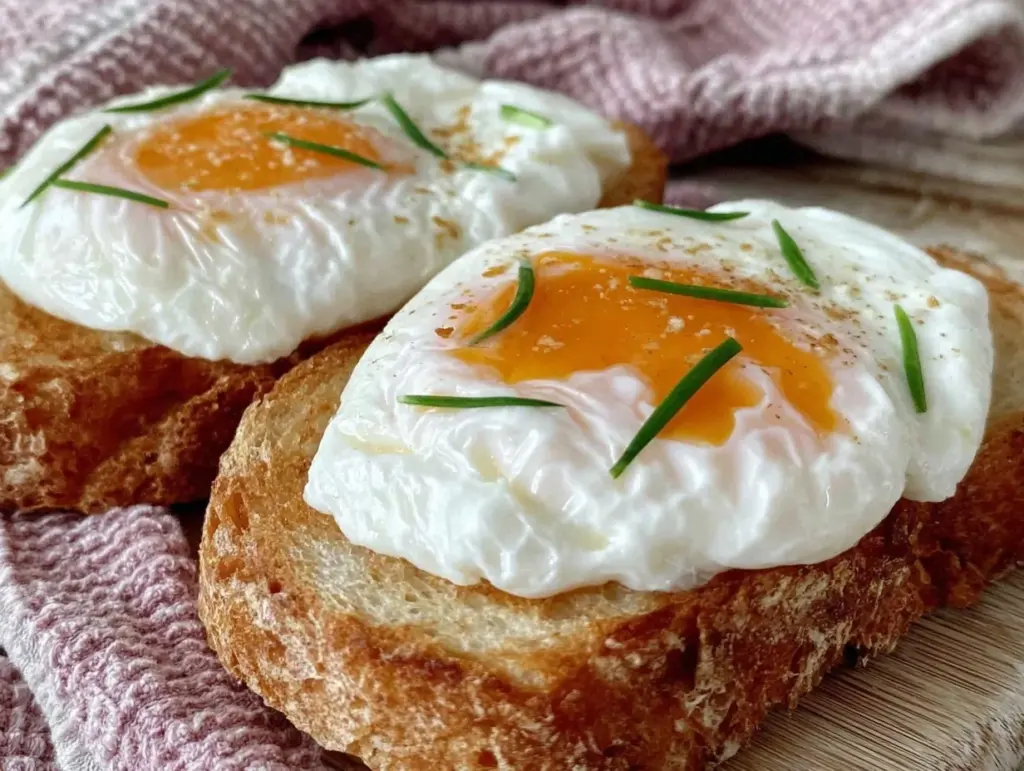
One Sunday morning, I was staring down a carton of eggs, determined to master poached eggs once and for all. I’d burned myself on hot water, ended up with sad, misshapen blobs, and given up way too many times before. But that morning, with my family waiting and my patience dangerously thin, I finally nailed the perfect poached eggs for easy breakfast or brunch. The yolks were silky, the whites tender but set, and the whole thing felt like a tiny kitchen victory. Since then, these eggs have been a weekend staple, a quick weekday treat, and the star of many a lazy brunch.
Here’s the thing — poached eggs feel fancy but don’t have to be complicated. I’ve tested this recipe over 15 times (sometimes accidentally, because my kids keep requesting it) and finally cracked the code. This perfect poached eggs recipe for easy breakfast or brunch uses simple steps, no weird gadgets, and ingredients you probably already have. It’s a little bit magic, a little bit science, and all heart.
Whether you want to impress guests or just treat yourself, this recipe will get you there. And if you’ve been intimidated by poaching eggs before, I promise this method will change your mind.
Why You’ll Love This Perfect Poached Eggs Recipe for Easy Breakfast or Brunch
This recipe has totally changed how I approach breakfast. No more scrambling eggs or settling for runny yolks that aren’t quite right. Everyone in my family, from my picky toddler to my husband who swears by bacon, asks for these poached eggs on repeat.
- Simple, Foolproof Technique — The five steps are straightforward, and I explain exactly how to get the water temperature and timing right. Even my teenage son can make these with no help over FaceTime.
- Quick to Make — From start to finish, you’re looking at about 10 minutes. Perfect for those mornings when you want something special but don’t have forever.
- Minimal Ingredients — Just eggs, water, vinegar, and salt. Pantry staples you likely already have, so no last-minute grocery runs.
- Versatile for Any Meal — Whether it’s a quick breakfast, a weekend brunch, or a protein boost for your salad, poached eggs elevate everything. They’re a fantastic addition to avocado toast or even Greek chicken gyro bowls for a fresh twist.
- Healthy and Light — Poached eggs are cooked without oil or butter, so they’re a great choice if you’re watching calories but still want that rich yolk flavor.
This is my go-to method for easy breakfast or brunch, especially when I want something that feels special but requires zero fancy techniques or equipment. If you’ve ever wondered how to get your poached eggs just right, keep reading — I’m sharing everything.
Ingredients for Perfect Poached Eggs
Here’s the best part: you probably have all of this right now. I’m pretty particular about two ingredients — vinegar and fresh eggs — and I’ll tell you why.
- Fresh Eggs (2 large) — Freshness is everything here. Older eggs spread out in the water and never get that beautiful, tight shape. I buy from my local farmer’s market or trusted brand.
- Water (4 cups / 950 ml) — Just plain tap water works fine, but filtered if your tap is heavily chlorinated.
- White Vinegar (1 tablespoon / 15 ml) — This helps the egg whites coagulate faster. Don’t worry, the vinegar flavor disappears during cooking. I always use plain distilled white vinegar.
- Salt (a pinch) — For seasoning the water and the finished eggs. Adds just a touch of flavor.
Equipment Needed
You don’t need anything fancy for this. Here’s what I actually use:
- Medium saucepan or deep skillet — Big enough to hold the water with some room for swirling. I prefer stainless steel because it heats evenly. Non-stick works too, just be gentle when stirring.
- Slotted spoon — Essential for lifting the eggs out without breaking them. Mine’s been in the drawer for years, and I wouldn’t poach without it.
- Small bowl or ramekin — For cracking each egg before adding it to the water. This helps prevent shells or broken yolks.
- Thermometer (optional) — I use one when I’m teaching friends, but you can eyeball the water temperature with a few clues (more on that below).
How to Make Perfect Poached Eggs for Easy Breakfast or Brunch: Step by Step

Alright, let’s get into it. I’ll walk you through exactly how I make this, including the small tricks that actually make a difference.
- Heat the Water (5 minutes)
Fill your saucepan with 4 cups (950 ml) of water. Add 1 tablespoon (15 ml) white vinegar and a pinch of salt. Heat over medium until the water reaches about 180°F (82°C) — you want it hot but not boiling. There should be small bubbles forming on the bottom, but no rolling boil. If you don’t have a thermometer, look for gentle steam and a few ripples. This temperature is key because boiling water will break the eggs apart. - Prep Your Eggs (1-2 minutes)
Crack each fresh egg into a small bowl or ramekin. This helps you slide the egg gently into the water and check for any shell fragments. Fresh eggs hold together better and give you that pretty, compact shape. - Create a Gentle Whirlpool (30 seconds)
Use a spoon to stir the water in a circular motion, creating a gentle whirlpool. This swirl helps the egg whites wrap around the yolk instead of spreading out. The water should move smoothly, not wildly. - Cook One Egg at a Time (3-4 minutes)
Slowly slide the egg from the bowl into the center of the whirlpool. Let it cook undisturbed for 3 to 4 minutes. The whites will firm up while the yolk stays soft and runny. For a firmer yolk, add 30 seconds to the cook time. Avoid overcrowding the pan — if you’re making multiple eggs, cook them one or two at a time. - Remove and Drain (30 seconds)
Use a slotted spoon to lift the egg from the water. Hold it over a paper towel to drain excess water. Season with salt and pepper immediately, and serve.
Total time: about 10 minutes. Most of that is just waiting, so you can use the time to toast bread or prep a side salad.
Expert Tips & Tricks for Perfect Poached Eggs
Here’s everything I’ve figured out from making this recipe dozens of times. These tips will save you from the mistakes I already made.
- Use Fresh Eggs Only
Fresh eggs are non-negotiable here. Older eggs have thinner whites that spread out in the water. I learned this the hard way after wasting a dozen eggs on my first attempts. If you’re unsure, do the float test — fresh eggs sink. - Don’t Skip the Vinegar
The vinegar helps the whites coagulate quickly, keeping the egg neat and tidy. I get asked all the time if you can leave it out — technically yes, but your eggs won’t hold together as well. - Water Temperature is Everything
Boiling water ruins the texture; tepid water means the eggs fall apart. Aim for gentle simmer (around 180°F/82°C). If the water bubbles too vigorously, turn the heat down immediately. - Gentle Swirl Before Adding Eggs
That whirlpool trick isn’t just for show. It helps the whites wrap around the yolk, creating that signature shape. Skip it and you’ll get wispy whites everywhere. - Cook One or Two Eggs at a Time
Overcrowding leads to merging eggs and uneven cooking. When I’m making brunch for a crowd, I cook in batches and keep finished eggs warm in a bowl of hot water.
Mistake: Eggs are watery or spreading too much? Fix by using fresher eggs and adding vinegar.
Mistake: Egg whites are tough or rubbery? Fix by lowering the water temperature — it should never boil.
Variations & Substitutions for Perfect Poached Eggs
Once you’ve got the base version down, here’s how I mix it up. I’ve actually tried all of these.
- Classic Avocado Toast
Top toasted bread with smashed avocado, a sprinkle of chili flakes, and a perfectly poached egg. This combo is my weekday favorite. - Poached Eggs on Mediterranean Bowls
I love adding poached eggs to a Mediterranean stuffed chicken bowl or with homemade tzatziki — it adds richness and protein without heaviness. - Herbed Poached Eggs
Add chopped fresh herbs like chives or dill on top right after cooking. It makes the eggs feel extra special for a brunch party. - Poached Egg with Hollandaise
If you’re feeling fancy, serve these eggs with a quick hollandaise sauce over English muffins for a homemade Eggs Benedict. - Dairy-Free
Poached eggs are naturally dairy-free, so they fit perfectly if you’re avoiding dairy but still want a creamy texture. - Vegan Alternative
Not really a poached egg, but for a plant-based brunch, try tofu scramble or chickpea flour “egg” pancakes. I often pair those with my spinach artichoke dip stuffed bread bowl for a crowd-pleaser.
Serving & Storage
I usually serve poached eggs straight from the pan or on a warm plate so they stay cozy. They’re delicious on toast, English muffins, or atop sautéed greens.
My favorite sides:
- Garlic toast — because everything’s better with garlic.
- Simple green salad with lemon vinaigrette for freshness.
- Roasted vegetables like asparagus or mushrooms add a savory touch.
Storage: Poached eggs are best fresh but can be refrigerated in an airtight container for up to 2 days. The whites might firm up and the yolks thicken — that’s normal.
Reheating: Reheat gently in simmering water for 30-60 seconds or microwave with a splash of water at low power. Avoid overheating, or you’ll end up with tough whites.
Freezing: Don’t. The texture changes completely and it’s just not worth it.
Nutrition Information
I’m not a nutritionist, but here’s the breakdown if you’re keeping track. Per serving (1 large poached egg):
| Calories | Protein | Carbs | Fiber | Sugar | Fat | Saturated Fat | Sodium |
|---|---|---|---|---|---|---|---|
| 70 | 6g | 0.5g | 0g | 0.5g | 5g | 1.5g | 70mg |
Look — this is simple comfort food made with whole ingredients. It’s not a diet recipe, and I’m not going to pretend it is. But it’s way better than greasy fast food, costs less, and you know exactly what’s going in. When I want something heartier, I pile mine on top of a bowl like the ground turkey taco skillet I make for dinner. Most mornings though? Just eggs, salt, and a little love.
Final Thoughts
Remember that Sunday morning I mentioned? The one where I finally nailed the perfect poached eggs? It wasn’t magic — just patience, the right technique, and a little vinegar. That moment of triumph still feels good every time I make them now. These eggs don’t judge if you add extra salt or forget the swirl step (been there), and they’re forgiving enough to customize.
Make it yours. Add more vinegar if you like, try fresh herbs, or pile them on top of something like banana bread for an unexpected sweet-and-savory combo. Don’t stress the small stuff — the base is forgiving.
If you make this, drop a comment and tell me how it went. And if something goes wrong, tell me that too — I genuinely want to help troubleshoot. That’s what the comments are for.
Happy cooking — I hope your kitchen smells amazing.
Frequently Asked Questions
Q: Can I make perfect poached eggs without vinegar?
A: You can, but your egg whites might spread out more and be less neat. I’ve tried skipping the vinegar to avoid that slight tang, but honestly, it helps the whites set faster without affecting flavor. If you don’t have vinegar, try using lemon juice as a substitute, but be prepared for a little flavor change.
Q: Why did my poached eggs turn out watery or fall apart?
A: This usually happens if the eggs aren’t fresh or the water temperature was too low. Fresh eggs have firmer whites that hold shape better. Also, if your water isn’t hot enough (under 160°F/70°C), the whites won’t coagulate quickly and will disperse. Adding vinegar helps, too. I messed this up plenty of times before learning these tricks.
Q: Can I make poached eggs ahead for a brunch party?
A: Yes, but only up to a point. You can poach eggs an hour or two ahead and keep them warm in a bowl of warm water (not boiling). For larger gatherings, I poach in batches and keep them warm, then quickly reheat in simmering water just before serving. They don’t reheat well after refrigeration, so try to serve fresh whenever possible.
Q: Are poached eggs gluten-free and dairy-free?
A: Yes! Poached eggs are naturally gluten-free and dairy-free, making them a great protein option for many dietary needs. Just be mindful of what you serve them with — bread or sauces might add gluten or dairy.
Q: How do I double or triple this poached eggs recipe?
A: You can, but cook the eggs in batches rather than all at once. Overcrowding the pan causes them to stick together and cook unevenly. Keep finished eggs warm in a bowl of warm water while you finish the rest. I’ve hosted brunches cooking dozens this way without stress.
Q: Why does the egg white sometimes become rubbery?
A: This happens when the water is too hot or the eggs cook too long. Keep the heat below a simmer (180°F/82°C) and stick to 3-4 minutes cooking time. If you’re unsure, take one egg out early to check. I’ve had rubbery whites too many times before dialing in the perfect temp.
Pin This Recipe!

Perfect Poached Eggs Recipe 5 Easy Steps for Breakfast or Brunch

A simple and foolproof method to make perfect poached eggs with silky yolks and tender whites, ideal for breakfast or brunch.
- Prep Time: 2 minutes
- Cook Time: 8 minutes
- Total Time: 10 minutes
- Yield: 2 servings 1x
- Category: Breakfast
- Cuisine: American
Ingredients
- 2 large fresh eggs
- 4 cups (950 ml) water
- 1 tablespoon (15 ml) white vinegar
- A pinch of salt
Instructions
- Fill a medium saucepan with 4 cups (950 ml) of water. Add 1 tablespoon (15 ml) white vinegar and a pinch of salt. Heat over medium until the water reaches about 180°F (82°C) — hot but not boiling, with small bubbles forming on the bottom.
- Crack each fresh egg into a small bowl or ramekin to check for shell fragments and to help slide the egg gently into the water.
- Use a spoon to stir the water in a circular motion, creating a gentle whirlpool to help the egg whites wrap around the yolk.
- Slowly slide the egg from the bowl into the center of the whirlpool. Let it cook undisturbed for 3 to 4 minutes until the whites are firm and the yolk is soft and runny. For a firmer yolk, cook an additional 30 seconds. Cook one or two eggs at a time to avoid overcrowding.
- Use a slotted spoon to lift the egg from the water. Hold it over a paper towel to drain excess water. Season with salt and pepper immediately, and serve.
Notes
Use fresh eggs only for best shape and texture. Maintain water temperature around 180°F (82°C) to avoid rubbery whites or watery eggs. Create a gentle whirlpool before adding eggs to help whites wrap around yolks. Cook one or two eggs at a time to prevent overcrowding. Poached eggs are best served fresh but can be refrigerated for up to 2 days and gently reheated in simmering water.
Nutrition
- Serving Size: 1 large poached egg
- Calories: 70
- Sugar: 0.5
- Sodium: 70
- Fat: 5
- Saturated Fat: 1.5
- Carbohydrates: 0.5
- Protein: 6
Keywords: poached eggs, breakfast, brunch, easy recipe, healthy eggs, vinegar, egg whites, runny yolk