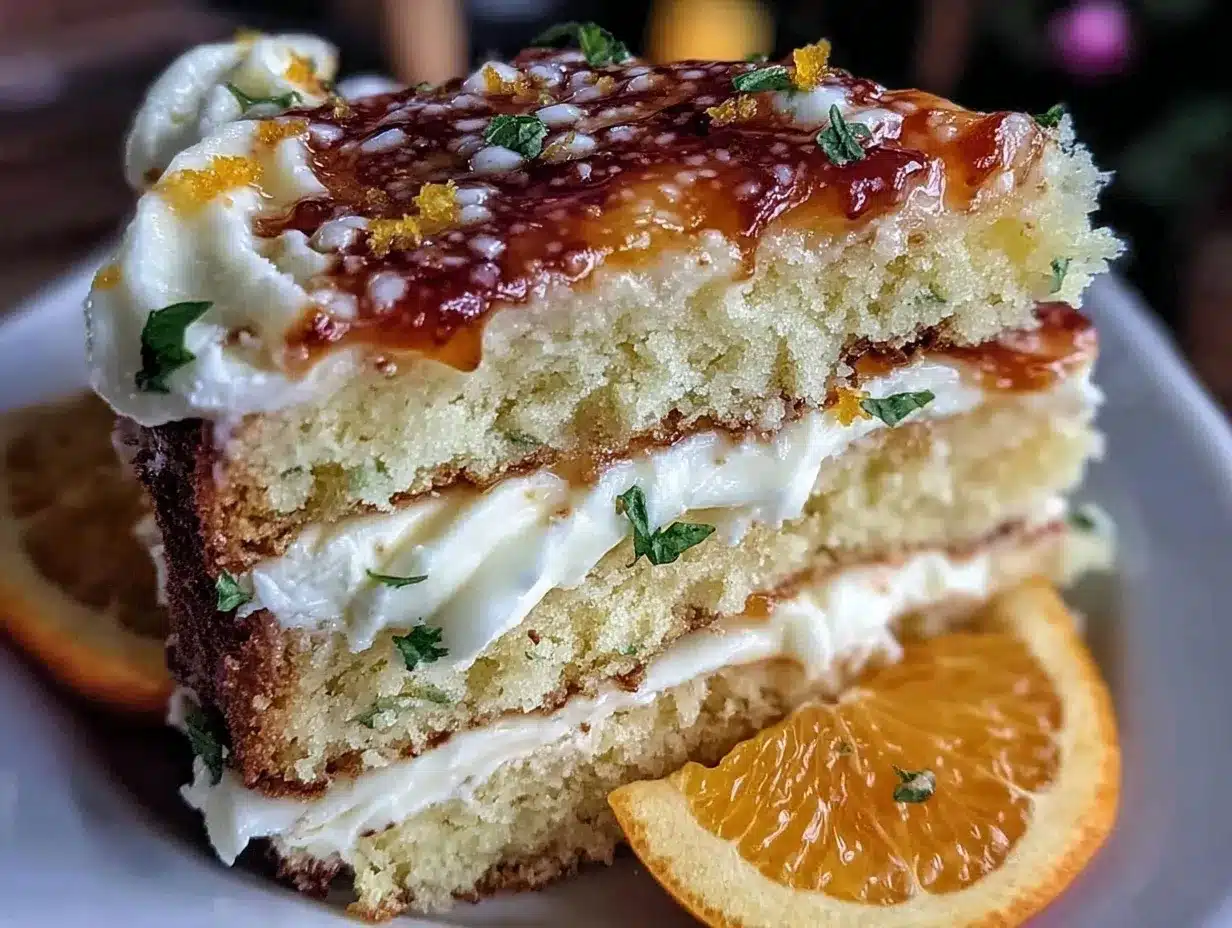
“You brought champagne cake? Seriously?” my friend laughed, eyeing the dessert I showed up with at our impromptu brunch. I’d whipped up this Perfect Champagne Mimosa Cake with Orange Buttercream Frosting on a whim, really just trying to salvage leftover bubbly from New Year’s Eve. Honestly, I wasn’t expecting much — just a way to use that sparkling wine before it went flat. But what started as a last-minute kitchen experiment turned into the highlight of the morning.
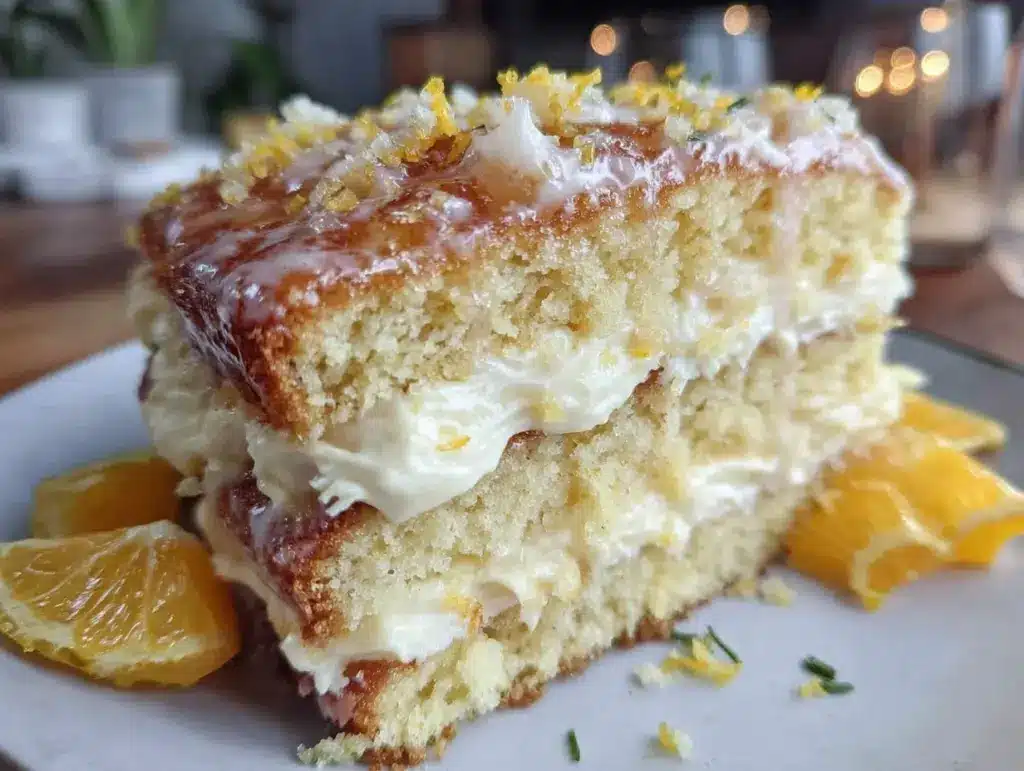
The cake’s delicate crumb soaked up the champagne without turning soggy, while the bright orange buttercream frosting added a zing that made everyone pause mid-bite. There was something about that combination — the celebration in every forkful felt so effortless and real. I remember sitting there, plate in hand, watching my friends’ surprised smiles, thinking, “Okay, this actually works.”
Since then, I’ve made it a handful of times, perfecting the frosting’s balance and finding the right champagne that plays nicely in the batter. Nothing fancy, just a simple cake that somehow tastes like a party and feels like a cozy catch-up with good company. That’s why this recipe stuck around in my rotation — it’s a little bubbly, a little bright, and a whole lot of comforting, just like those mornings when life feels a bit lighter.
Why You’ll Love This Recipe
After testing this Champagne Mimosa Cake with Orange Buttercream Frosting more times than I can count, I’m confident it’s a winner for many reasons. Here’s what makes this cake stand out in the sea of celebration desserts:
- Quick & Easy: The batter comes together in under 20 minutes, making it ideal for those last-minute brunch plans or when you want to impress without the fuss.
- Simple Ingredients: No need for specialty stores — most ingredients are pantry staples, with the exception of the champagne and fresh oranges, which are easy to find year-round.
- Perfect for Celebrations: Whether it’s a birthday, bridal shower, or a casual weekend treat, this cake brings that sparkling vibe without being over the top.
- Crowd-Pleaser: Every time I’ve served it, from family dinners to neighbor gatherings, it disappears fast. Even folks who aren’t big on sweets ask for seconds.
- Unbelievably Delicious: The texture is light and moist, and the orange buttercream frosting isn’t just sweet — it’s got a fresh citrus punch that feels like sunshine in every bite.
What sets this recipe apart is the frosting technique — whipping in fresh orange zest and juice creates a bright yet creamy finish that perfectly complements the subtle champagne notes in the cake. Plus, the champagne itself isn’t just a gimmick; it truly infuses the batter, giving it a delicate flavor that you won’t find in your typical vanilla or citrus cakes.
This cake is the kind of recipe that makes you close your eyes after the first bite and smile, knowing you nailed it. It’s both festive and comforting, ideal for turning simple moments into something a little more special.
What Ingredients You Will Need
This recipe relies on straightforward ingredients that come together to create a cake bursting with flavor and a silky frosting that’s just the right amount of sweet and tangy. Here’s what you’ll need:
- For the Cake Batter:
- All-purpose flour, 2 ½ cups (312g) — I prefer King Arthur for consistent texture
- Baking powder, 2 ½ teaspoons — helps the cake rise beautifully
- Salt, ½ teaspoon — balances sweetness
- Unsalted butter, ½ cup (113g), softened — contributes richness
- Granulated sugar, 1 ¾ cups (350g) — for that perfect sweet base
- Large eggs, 4, room temperature — binds everything together
- Champagne or sparkling wine, 1 cup (240ml) — use a dry or brut style for best flavor
- Whole milk, ½ cup (120ml), room temperature — keeps the batter moist
- Vanilla extract, 2 teaspoons — enhances the flavors
- For the Orange Buttercream Frosting:
- Unsalted butter, 1 cup (227g), softened — the base for a creamy texture
- Powdered sugar, 4 cups (480g) — sifted for smoothness
- Fresh orange juice, 3-4 tablespoons — adds natural tang
- Orange zest, 1 teaspoon — for that fragrant citrus kick
- Vanilla extract, 1 teaspoon — rounds out the flavor
- Pinch of salt — balances sweetness and brightens the orange
Substitution tips: If you want a gluten-free version, almond flour can work, but expect a denser crumb. For dairy-free, swap the butter with a plant-based alternative and use coconut milk instead of whole milk. If you don’t have champagne on hand, a dry sparkling cider makes a nice non-alcoholic twist.
Look for firm, fresh oranges for zesting — a thin-skinned Valencia or Navel is ideal. Using fresh juice (not bottled) really lifts the frosting’s flavor.
Equipment Needed
- Two 8-inch (20cm) round cake pans — non-stick or well-greased and floured
- Electric mixer (stand or hand) — makes whipping the buttercream a breeze
- Mixing bowls — medium and large sizes for batter and frosting
- Measuring cups and spoons — for precise ingredient amounts
- Rubber spatula — great for folding and scraping the batter
- Cooling rack — essential to cool cake layers evenly and avoid sogginess
- Microplane or fine grater — for zesting oranges delicately
If you don’t have cake pans, a 9×13-inch pan can work; just adjust baking time and slice accordingly. For frosting, while a stand mixer is ideal, a hand mixer will do just fine — just be patient while beating to get that fluffy texture.
Keep your mixer’s beaters and spatulas clean and dry for the buttercream — any moisture can cause it to seize up. I’ve found that a good silicone spatula lasts forever and resists staining from citrus zest.
Preparation Method
- Preheat and prepare pans: Set your oven to 350°F (175°C). Grease two 8-inch round cake pans with butter and lightly dust with flour or line the bottoms with parchment paper. This helps the cakes release easily after baking.
- Mix dry ingredients: In a medium bowl, sift together 2 ½ cups (312g) flour, 2 ½ teaspoons baking powder, and ½ teaspoon salt. Set aside.
- Cream butter and sugar: In a large bowl, beat ½ cup (113g) softened unsalted butter with 1 ¾ cups (350g) granulated sugar until light and fluffy—about 3-4 minutes. The mixture should look pale and slightly increase in volume. This step is key for a tender crumb.
- Add eggs: Beat in 4 large eggs one at a time, making sure each is fully incorporated before adding the next. This prevents curdling and ensures a smooth batter.
- Incorporate champagne and vanilla: Stir in 1 cup (240ml) champagne and 2 teaspoons vanilla extract. The batter will loosen up — that’s exactly right.
- Alternate adding dry ingredients and milk: Gradually add the dry ingredients in three parts, alternating with ½ cup (120ml) whole milk. Start and end with the flour mixture. Mix just until combined each time; overmixing can make the cake tough.
- Divide and bake: Pour batter evenly into the prepared pans. Tap gently to remove air bubbles. Bake for 30-35 minutes or until a toothpick inserted into the center comes out clean. The cakes should be golden and spring back lightly when pressed.
- Cool completely: Let cakes cool in pans for 10 minutes before transferring to a wire rack. Cool fully before frosting to avoid melting the buttercream.
- Prepare the orange buttercream: Beat 1 cup (227g) softened unsalted butter until creamy. Gradually add 4 cups (480g) powdered sugar, about 1 cup at a time, beating well after each addition.
- Add orange flavor: Mix in 3-4 tablespoons fresh orange juice, 1 teaspoon orange zest, 1 teaspoon vanilla extract, and a pinch of salt. Beat until light and fluffy, about 3-5 minutes. Adjust the juice or powdered sugar to get your preferred consistency.
- Assemble the cake: Place one cake layer on a serving plate. Spread a generous layer of frosting on top. Add the second cake layer and cover the top and sides with remaining buttercream. Smooth or pipe as you like.
- Chill and serve: Refrigerate the cake for at least 30 minutes before slicing — it helps the frosting set and flavors meld.
Tip: If your buttercream feels too soft, pop it in the fridge for 10 minutes and then re-whip before frosting. And if you want to make your life easier, the frosting can be made a day ahead and stored tightly covered in the fridge.
Cooking Tips & Techniques
One trick I learned the hard way is to not rush the creaming process. The butter and sugar need to be whipped until fluffy — it traps air that gives the cake its tender crumb. If you skip this, the cake can end up dense.
Also, folding in the dry ingredients gently is crucial. I usually switch to a spatula here, mixing just until the flour disappears. Overmixing activates gluten, which toughens the cake — nobody wants that.
Champagne is delicate, so avoid overbaking. Keep an eye on the cake starting at 30 minutes; the toothpick test is your best friend. I’ve found that a dry brut champagne adds a subtle tang without making the cake taste boozy — it’s more about the fizz and flavor notes.
When making the orange buttercream, adding juice slowly helps avoid a runny frosting. If it gets too soft, chilling and re-whipping works wonders. Also, zesting fresh orange right before mixing ensures the oils are at their most fragrant.
Finally, cooling the cake completely before frosting is a must. I learned this the hard way when the buttercream melted into a sad, shiny puddle. Patience here pays off big time.
Variations & Adaptations
This cake is pretty versatile, and I’ve enjoyed tweaking it to suit different occasions and diets.
- Non-Alcoholic Version: Swap champagne for sparkling apple cider or club soda for festive bubbles without alcohol.
- Flavor Twist: Add a teaspoon of almond extract to the batter for a subtle nutty note that pairs beautifully with orange frosting.
- Seasonal Fruits: Fold in fresh raspberries or blueberries into the batter for a fruity surprise, especially delightful in spring and summer.
- Gluten-Free Option: Use a gluten-free all-purpose flour blend, but reduce the baking powder slightly to avoid an overly airy texture.
- Frosting Variations: Try mixing in a tablespoon of Grand Marnier or orange liqueur into the buttercream for an extra grown-up touch.
One of my favorite experiments was layering the cake with a thin spread of homemade lemon curd before frosting, adding a tart contrast that made the whole thing sing. If you like that zing, it’s worth a try!
Serving & Storage Suggestions
This cake shines best served slightly chilled or at room temperature. I like to keep it in the fridge until about 30 minutes before serving so the frosting softens just right. It pairs nicely with fresh berries or a light sparkling rosé if you’re continuing the mimosa theme.
For storage, wrap leftovers tightly with plastic wrap or keep in an airtight container in the fridge for up to 4 days. The flavors actually deepen after a day — the orange zest and champagne meld into a more pronounced aroma.
If you want to freeze it, slice the cake layers and wrap them individually in plastic wrap and foil. Thaw overnight in the fridge and frost just before serving for best texture.
Reheating isn’t necessary, but if you prefer it warm, a few seconds in the microwave (about 10-15) works — just be careful not to melt the frosting.
Nutritional Information & Benefits
Each slice of this Champagne Mimosa Cake (assuming 12 servings) contains approximately 350 calories, with 15 grams of fat, 50 grams of carbohydrates, and 4 grams of protein. The cake provides a modest amount of calcium and vitamin C, thanks to the fresh orange juice and zest in the frosting.
While it’s a treat, the use of fresh citrus adds antioxidants, and the champagne contributes minimal alcohol as most bakes off during cooking. For those watching gluten intake, substituting flour as mentioned can make it gluten-free.
This recipe balances indulgence with bright, fresh flavors that feel lighter than many heavier buttercreams or overly sweet cakes. It’s a nice way to enjoy dessert without the usual heaviness.
Conclusion
This Perfect Champagne Mimosa Cake with Orange Buttercream Frosting has become one of those recipes I reach for when I want something that’s both festive and comforting. It’s got that little bit of sparkle that turns an ordinary day into a celebration, yet it’s simple enough to make without stress.
Feel free to tweak it to your taste — whether that means swapping in sparkling cider, adding fresh berries, or trying a different frosting twist. What matters most is how it makes you feel when you take that first bite: like you’re sharing something special with people you care about.
And hey, if you love citrusy desserts, you might enjoy the homemade lemon curd tartlets I made last summer — they’re a fresh and tangy complement to this cake’s bright vibe.
Would love to hear how your version turns out or any fun twists you try. Sharing recipes is how good ideas spread, after all!
FAQs
Can I use sparkling wine other than champagne?
Yes! Dry or brut sparkling wines work best as they add subtle flavor without overwhelming sweetness. Avoid sweet or flavored sparklers to keep the balance right.
How do I prevent the buttercream from being too runny?
Add orange juice gradually and chill the frosting if it gets soft. Re-whipping after chilling usually brings back the perfect fluffy texture.
Can this cake be made ahead of time?
Absolutely. You can bake the cake layers a day or two in advance and store them wrapped in the fridge. The frosting can also be made ahead and refrigerated, then assembled on the day of serving.
What’s the best way to zest oranges?
Use a microplane or fine grater to zest just the outer colored layer of the orange peel. Avoid the white pith underneath, which is bitter.
Is this recipe suitable for kids?
Yes, the alcohol cooks off during baking, leaving just a mild champagne flavor. If you prefer, substitute with sparkling cider for a completely alcohol-free version.
Pin This Recipe!
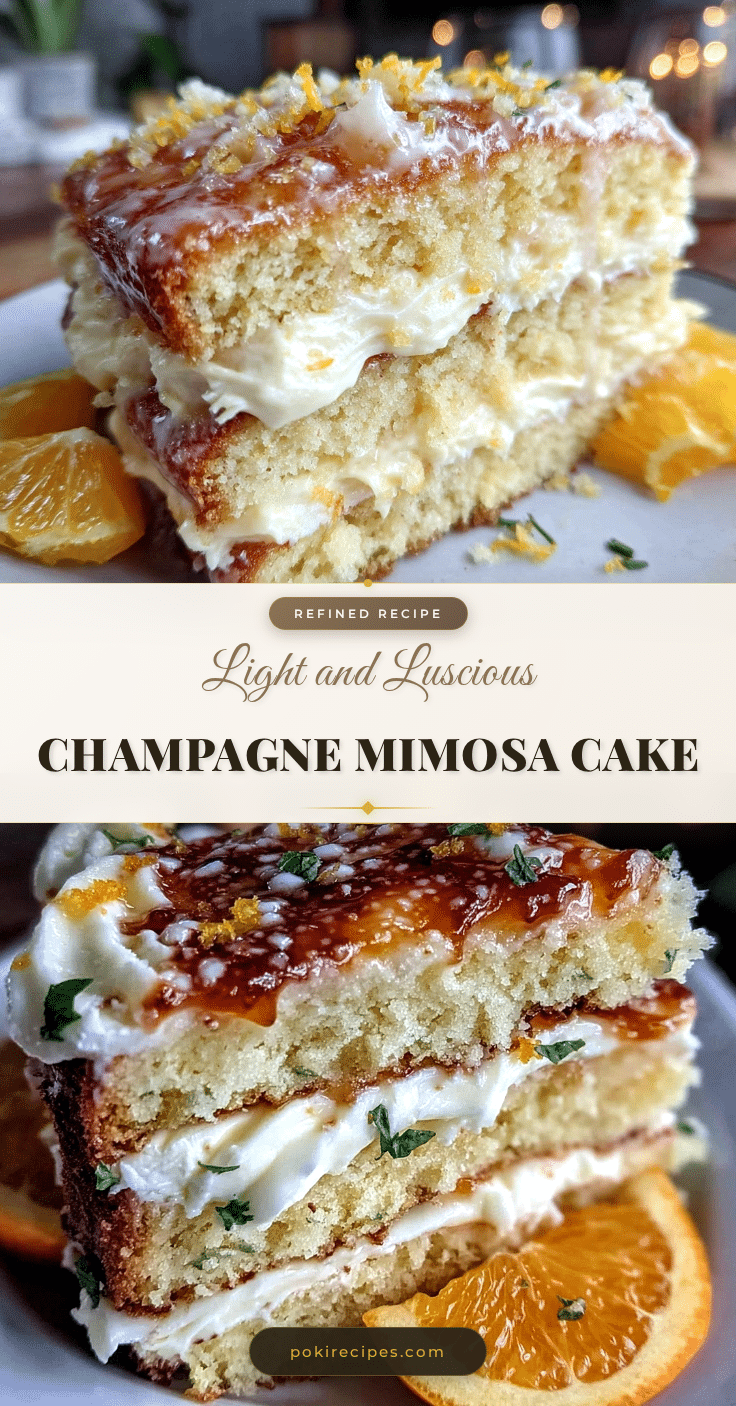
Perfect Champagne Mimosa Cake Recipe with Easy Orange Buttercream Frosting

A light and moist champagne cake infused with sparkling wine and topped with a bright, tangy orange buttercream frosting. Perfect for celebrations and easy to make with simple pantry ingredients.
- Prep Time: 20 minutes
- Cook Time: 30-35 minutes
- Total Time: 50-55 minutes
- Yield: 12 servings 1x
- Category: Dessert
- Cuisine: American
Ingredients
- 2 ½ cups (312g) all-purpose flour
- 2 ½ teaspoons baking powder
- ½ teaspoon salt
- ½ cup (113g) unsalted butter, softened
- 1 ¾ cups (350g) granulated sugar
- 4 large eggs, room temperature
- 1 cup (240ml) champagne or sparkling wine (dry or brut style)
- ½ cup (120ml) whole milk, room temperature
- 2 teaspoons vanilla extract
- 1 cup (227g) unsalted butter, softened (for frosting)
- 4 cups (480g) powdered sugar, sifted
- 3–4 tablespoons fresh orange juice
- 1 teaspoon orange zest
- 1 teaspoon vanilla extract (for frosting)
- Pinch of salt (for frosting)
Instructions
- Preheat oven to 350°F (175°C). Grease two 8-inch round cake pans with butter and lightly dust with flour or line with parchment paper.
- In a medium bowl, sift together flour, baking powder, and salt. Set aside.
- In a large bowl, beat ½ cup softened unsalted butter with granulated sugar until light and fluffy, about 3-4 minutes.
- Beat in eggs one at a time, fully incorporating each before adding the next.
- Stir in champagne and vanilla extract; batter will loosen.
- Gradually add dry ingredients in three parts, alternating with milk, starting and ending with flour mixture. Mix just until combined each time.
- Divide batter evenly into prepared pans. Tap to remove air bubbles.
- Bake 30-35 minutes or until a toothpick inserted in center comes out clean. Cakes should be golden and spring back lightly when pressed.
- Cool cakes in pans for 10 minutes, then transfer to wire rack to cool completely before frosting.
- For frosting, beat 1 cup softened unsalted butter until creamy.
- Gradually add powdered sugar about 1 cup at a time, beating well after each addition.
- Mix in fresh orange juice, orange zest, vanilla extract, and pinch of salt. Beat until light and fluffy, about 3-5 minutes. Adjust consistency as needed.
- Place one cake layer on serving plate. Spread a generous layer of frosting on top.
- Add second cake layer and cover top and sides with remaining buttercream. Smooth or pipe as desired.
- Refrigerate cake for at least 30 minutes before slicing to set frosting and meld flavors.
Notes
Do not rush the creaming process; whip butter and sugar until fluffy to trap air for a tender crumb. Fold dry ingredients gently to avoid toughening the cake. Use dry or brut champagne for subtle flavor without sweetness. Chill and re-whip frosting if too soft. Cool cake completely before frosting to prevent melting buttercream. Frosting can be made a day ahead and stored in fridge.
Nutrition
- Serving Size: 1 slice (1/12th of c
- Calories: 350
- Fat: 15
- Carbohydrates: 50
- Protein: 4
Keywords: champagne cake, mimosa cake, orange buttercream, celebration dessert, brunch cake, sparkling wine cake, easy cake recipe