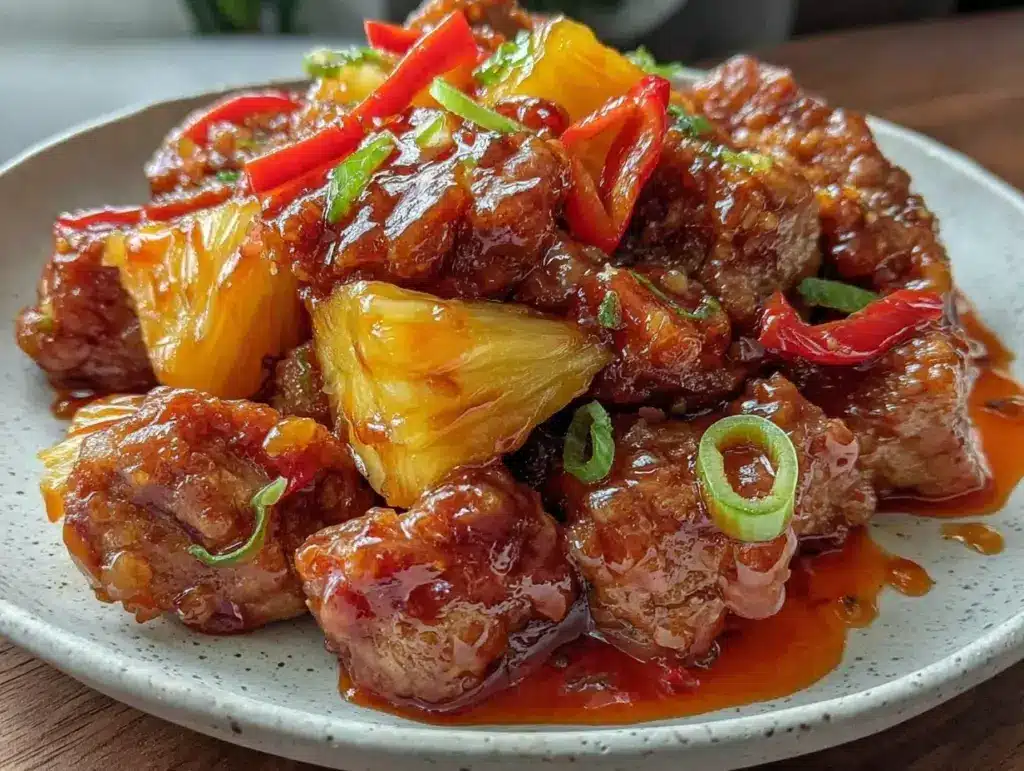
The sizzle of pork hitting hot oil, the tangy aroma of a sweet and sour sauce, and that burst of juicy pineapple – honestly, nothing quite beats homemade sweet and sour pork with pineapple. I first tried this recipe years ago at a small family-run restaurant, and it instantly became my comfort food go-to. There’s something about the perfect balance of tanginess, sweetness, and savory pork that feels like a warm hug on a plate. Over time, I tweaked the sauce and cooking method to nail the texture and flavor just right. This sweet and sour pork with pineapple recipe isn’t just a crowd-pleaser; it’s a dish I come back to when I want to impress guests without fussing over complicated steps. Plus, it’s a fantastic way to sneak a little fruit into a savory meal, making it a winner for both kids and adults.
Whether you’re cooking for busy weeknights or planning a weekend feast, this recipe hits all the right notes. I’ve tested it countless times (and trust me, that means many happy taste testers!), so you can count on it delivering that perfect tangy-sweet punch every time. If you’re craving that takeout flavor but want to keep things homemade and fresh, this sweet and sour pork with pineapple recipe is exactly what you need to try.
Why You’ll Love This Recipe
This sweet and sour pork with pineapple recipe stands out for a bunch of reasons. After making it over and over, here’s what really makes it special:
- Quick & Easy: Ready in under 40 minutes, perfect for those busy evenings when you want something delicious fast.
- Simple Ingredients: You won’t need to hunt down anything fancy – most of these are pantry staples or easy-to-find produce.
- Perfect for Any Occasion: Whether it’s a family dinner, a casual get-together, or a potluck, this dish fits right in.
- Crowd-Pleaser: Kids love the sweet flavors, adults appreciate the tangy balance – it’s a total win-win.
- Unbelievably Delicious: The pork stays juicy with a crisp coating, and the pineapple adds that fresh, tropical zing.
What really sets this recipe apart is how the sauce is crafted for that ideal glossy finish that clings beautifully to every bite. I blend the sauce ingredients carefully, avoiding the overly sticky or bland sauces you sometimes find in takeout versions. Plus, frying the pork in small batches ensures that perfect crispy texture without sogginess. This isn’t just sweet and sour pork with pineapple — it’s your best, most flavorful home-cooked version.
Honestly, every time I serve this up, I see those satisfied smiles and hear “Can I have seconds?” That kind of response makes all the cooking worth it!
What Ingredients You Will Need
This recipe uses simple, wholesome ingredients to deliver bold flavor and satisfying texture without the fuss. Most of these you probably have on hand, and they come together beautifully to create that classic Chinese-American dish you know and love.
- Pork Tenderloin (1 lb / 450g): Trimmed and cut into bite-sized cubes. Tender and lean, it cooks quickly and stays juicy.
- Cornstarch (3/4 cup / 90g): For coating the pork to get that irresistible crispy crust.
- Vegetable Oil (for frying): Neutral-flavored, high smoke point oil like canola or peanut oil works great.
- Fresh Pineapple Chunks (1 cup / 165g): Fresh is best for sweetness and texture, but canned pineapple chunks drained well can be substituted.
- Bell Peppers (1 cup / 150g): Red and green, cut into chunks to add color and crunch.
- Onion (1 medium): Sliced into wedges for that mild sweetness and bite.
- Garlic (2 cloves): Minced, for aromatic depth.
- Ginger (1 tsp / 5g): Freshly grated to brighten the sauce.
For the Sweet and Sour Sauce:
- Ketchup (1/3 cup / 80ml): Adds tang and color.
- Rice Vinegar (1/4 cup / 60ml): The key to that signature sour note.
- Sugar (1/3 cup / 65g): Balances the vinegar with sweetness.
- Soy Sauce (2 tbsp / 30ml): Adds savory umami depth.
- Pineapple Juice (1/4 cup / 60ml): Best if reserved from fresh pineapple for extra flavor.
- Water (1/4 cup / 60ml): To thin the sauce slightly.
- Cornstarch Slurry (1 tbsp cornstarch + 2 tbsp water): For thickening the sauce to the perfect consistency.
For the best texture, I prefer using small-curd fresh pineapple chunks and firm pork tenderloin. When I’m in a pinch, frozen pineapple works just fine — just thaw and drain before using. If you want a gluten-free version, swap soy sauce for tamari or coconut aminos. And for a bit more zing, add a splash of fresh lime juice just before serving.
Equipment Needed
- Wok or Large Skillet: I find a wok best for even heat distribution and tossing ingredients, but a large nonstick skillet works well too.
- Mixing Bowls: For coating the pork and mixing the sauce.
- Sharp Knife and Cutting Board: Essential for prepping pork and veggies safely and efficiently.
- Measuring Cups and Spoons: To get the sauce ratios just right — trust me, this makes a huge difference.
- Slotted Spoon or Spider Strainer: Handy for frying pork pieces and draining excess oil.
If you don’t have a wok, no worries! Use your biggest skillet and just stir often. For frying, I’ve used both a cast iron pan and a deep sauté pan, and both give great results. Just keep an eye on the oil temperature — too hot and the pork burns, too cool and it gets greasy. A simple candy or deep-fry thermometer can be a game changer here, but I usually eyeball it after a few batches.
Detailed Preparation Method
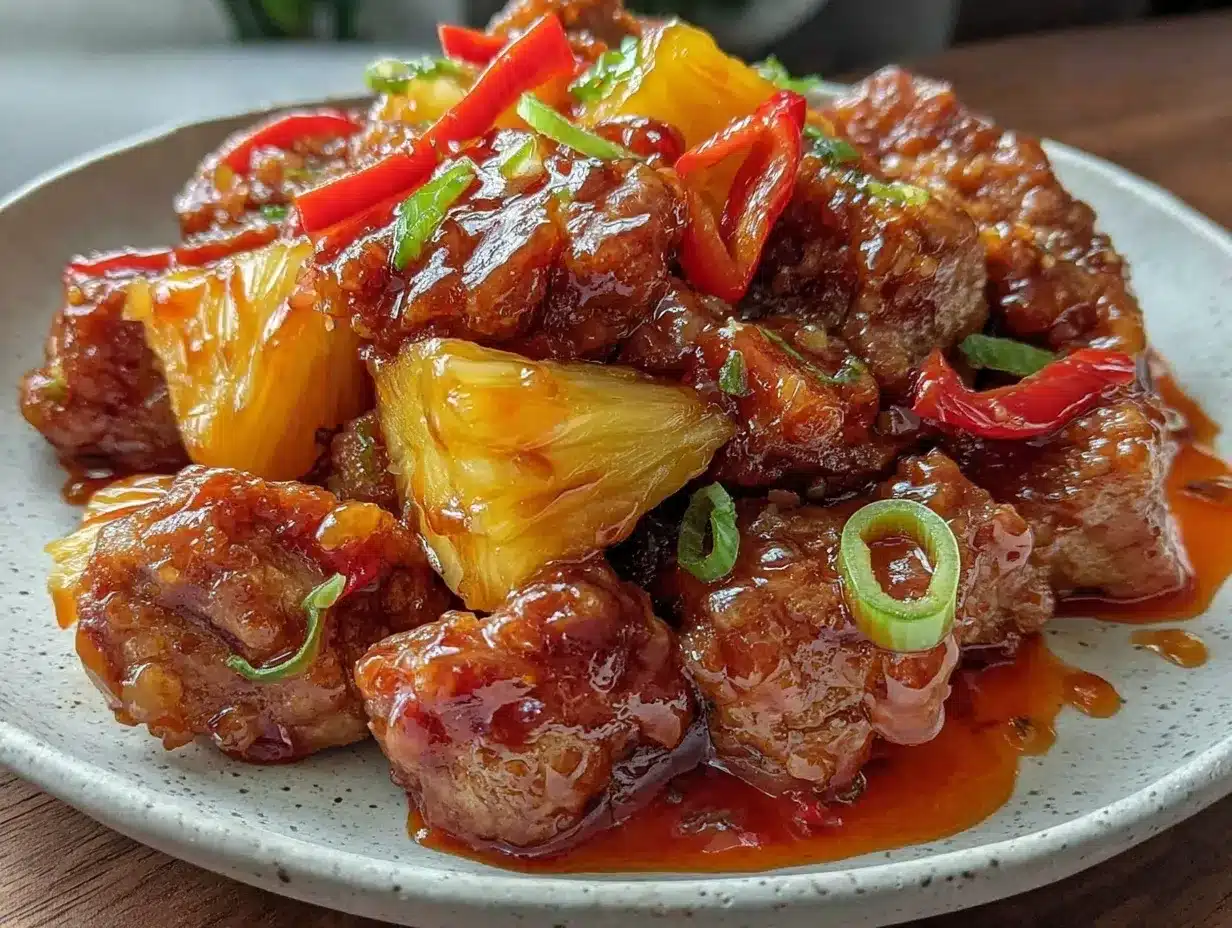
- Prep the Pork: Trim the pork tenderloin and cut into 1-inch (2.5 cm) cubes. Pat dry with paper towels to remove excess moisture – this helps the cornstarch stick better. Set aside.
- Coat the Pork: Place the cornstarch in a large bowl. Add the pork cubes and toss gently until evenly coated. Shake off any excess cornstarch – too much will make the coating gummy. Let the coated pork rest for 10 minutes; this helps the coating adhere during frying.
- Chop Veggies and Pineapple: While the pork rests, slice the bell peppers into 1-inch chunks, cut the onion into wedges, mince the garlic, and grate the ginger. If using fresh pineapple, cut into bite-sized chunks. Reserve 1/4 cup (60 ml) of pineapple juice for the sauce.
- Make the Sweet and Sour Sauce: In a small bowl, whisk together ketchup, rice vinegar, sugar, soy sauce, pineapple juice, and water until smooth. Set aside. Mix the cornstarch slurry (1 tbsp cornstarch + 2 tbsp water) separately.
- Fry the Pork: Heat 2-3 cups (480-720 ml) of vegetable oil in a wok or deep skillet over medium-high heat to about 350°F (175°C). Fry pork in batches (don’t overcrowd) for 3-4 minutes until golden brown and crispy. Use a slotted spoon to transfer pork to a paper towel-lined plate to drain excess oil.
- Cook the Veggies: Remove all but 1 tbsp of oil from the pan. Sauté garlic and ginger for 30 seconds until fragrant. Add bell peppers and onions, stir-fry for 2-3 minutes until slightly tender but still crisp.
- Add Pineapple and Sauce: Toss in pineapple chunks, then pour the sweet and sour sauce into the pan. Bring to a gentle boil, then add the cornstarch slurry slowly while stirring. The sauce should thicken and become glossy in about 1-2 minutes.
- Combine Pork and Sauce: Return the crispy pork to the pan and toss everything together to coat evenly. Cook for another minute just to heat through and marry flavors.
- Serve: Transfer to a serving dish immediately, garnish with chopped green onions or sesame seeds if you like, and enjoy!
If your sauce feels too thick, thin it with a splash of water or pineapple juice. If it’s too thin, add a little more cornstarch slurry but do this gradually. The pork should stay crispy even after mixing with the sauce — if it starts to go soggy, try serving the sauce on the side next time for dipping.
Cooking Tips & Techniques
Getting sweet and sour pork just right isn’t rocket science, but a few tricks make a world of difference. First off, drying your pork well before coating is a must. Moisture is the enemy of crispiness, you know? I learned this the hard way after a soggy first attempt.
When frying, keep your oil at a steady medium-high heat. Too hot, and the pork burns on the outside while raw inside; too cool, and it soaks up oil. I usually test by dropping a small piece of cornstarch-coated pork in — it should sizzle immediately and float to the top.
Don’t crowd the pan during frying — that drops the oil temperature and leads to greasy pork. Frying in small batches gives you crunchy, golden bites every time. Drain on paper towels but don’t leave the pork to sit too long, or it’ll lose its crisp.
For the sauce, whisking sugar thoroughly into the ketchup and vinegar before heating avoids graininess. Adding the cornstarch slurry slowly while stirring keeps the sauce smooth — patience here pays off!
And here’s a tip I picked up: toss the pork into the sauce off the heat just before serving to keep the coating crispy but still nicely sauced. If you want to multitask, prep all your veggies and make the sauce ahead, so the stir-frying and frying happen quickly and smoothly.
Variations & Adaptations
This sweet and sour pork with pineapple recipe is pretty flexible, so you can tweak it to suit your tastes or dietary needs.
- Gluten-Free: Use tamari or coconut aminos instead of soy sauce, and make sure your cornstarch is pure (some brands can be cross-contaminated). This swap keeps the flavor close to the original.
- Low-Carb Version: Swap the sugar for a natural sweetener like erythritol or monk fruit sweetener. You can also replace cornstarch with arrowroot powder for thickening.
- Vegetarian Option: Instead of pork, use firm tofu or seitan, coated and fried the same way. The sauce is naturally vegetarian, and the pineapple adds that same sweet zing.
- Different Fruits: Tried swapping pineapple with mango or peach chunks for a fresh twist. They change the flavor slightly but keep the sweet and sour vibe intact.
- Spicy Kick: Add a teaspoon of chili paste or some red pepper flakes to the sauce for a little heat. I love this variation when I want a bit more punch.
One personal favorite I experimented with was adding a splash of fresh lime juice and chopped cilantro right before serving. It added a zesty brightness that cut through the sweetness beautifully.
Serving & Storage Suggestions
This sweet and sour pork with pineapple is best served hot and fresh for that crispy texture and vibrant flavors. I like to plate it over steamed jasmine rice or fluffy white rice – the perfect base to soak up the sauce.
For a little extra, serve with stir-fried greens or simple steamed broccoli to balance the richness. If you’re feeling fancy, a side of crunchy spring rolls or a light cucumber salad pairs nicely to round out the meal.
Leftovers keep well in the fridge for up to 3 days, stored in an airtight container. When reheating, use a skillet over medium heat instead of the microwave to help keep the pork from getting too soggy. Adding a splash of water and stirring gently helps revive the sauce and veggies.
Over time, the flavors deepen, but the pork might lose some crispness — still delicious, just a different texture experience. If you plan to freeze, separate the pork and sauce, freeze individually, and combine when reheating for best results.
Nutritional Information & Benefits
This recipe offers a balanced mix of protein from pork tenderloin and vitamins from fresh veggies and pineapple. Per serving (based on 4 servings), expect approximately:
| Calories | 350-400 kcal |
|---|---|
| Protein | 28g |
| Carbohydrates | 35g |
| Fat | 12g |
| Fiber | 3g |
Pineapple is a great source of vitamin C and digestive enzymes, which add a nutritional boost while helping with digestion. Pork tenderloin is lean and rich in B vitamins and minerals like zinc and selenium. This dish fits nicely into a balanced diet and can be adapted for gluten-free or lower-carb preferences.
Just a heads up: contains soy (soy sauce) and possibly gluten unless swapped, so keep that in mind for allergies. Overall, it’s a wholesome, tasty meal that doesn’t feel like a compromise on flavor or enjoyment.
Conclusion
So, there you have it — a sweet and sour pork with pineapple recipe that’s easy to make, packed with flavor, and loved by everyone who tries it. It’s one of those dishes that brings a little celebration to the dinner table without needing hours in the kitchen. I hope you’ll give it a go and maybe tweak it to your taste — that’s part of the fun!
I love this recipe because it’s reliably delicious and comforting, with a fresh twist from pineapple that keeps it lively. If you try it, please share your experience or how you adapted it — I’m always curious about new takes! And don’t forget to bookmark it for your next craving or family meal.
Happy cooking — and here’s to many tasty bites ahead!
FAQs About Sweet and Sour Pork with Pineapple
Can I use a different cut of pork for this recipe?
Yes, but pork tenderloin is best for tenderness and quick cooking. You can use pork shoulder if you prefer, but it may be chewier and require longer cooking.
Is it okay to bake the pork instead of frying?
You can bake the coated pork at 425°F (220°C) for about 20-25 minutes, flipping halfway. It won’t be as crispy as frying but still tasty and a bit lighter.
Can I prepare this recipe ahead of time?
Yes! You can prep the sauce and chop veggies earlier. Fry the pork just before serving to keep it crispy.
What can I substitute if I don’t have rice vinegar?
Apple cider vinegar or white wine vinegar works in a pinch but use a little less and add a pinch of sugar to balance the taste.
How do I keep the pork crispy when serving?
Serve immediately after tossing with sauce or keep the sauce on the side for dipping. Avoid letting the pork sit too long in the sauce to prevent sogginess.
Pin This Recipe!

Sweet and Sour Pork with Pineapple

A quick and easy homemade sweet and sour pork recipe featuring juicy pork tenderloin, fresh pineapple, and a perfectly balanced tangy-sweet sauce. This dish delivers crispy pork bites coated in a glossy sauce, ideal for family dinners or entertaining guests.
- Prep Time: 15 minutes
- Cook Time: 20 minutes
- Total Time: 35 minutes
- Yield: 4 servings 1x
- Category: Main Course
- Cuisine: Chinese-American
Ingredients
- 1 lb (450g) pork tenderloin, trimmed and cut into bite-sized cubes
- 3/4 cup (90g) cornstarch
- Vegetable oil (for frying), about 2-3 cups (480-720 ml)
- 1 cup (165g) fresh pineapple chunks (or canned, drained)
- 1 cup (150g) bell peppers, red and green, cut into chunks
- 1 medium onion, sliced into wedges
- 2 cloves garlic, minced
- 1 tsp (5g) fresh grated ginger
- 1/3 cup (80ml) ketchup
- 1/4 cup (60ml) rice vinegar
- 1/3 cup (65g) sugar
- 2 tbsp (30ml) soy sauce
- 1/4 cup (60ml) pineapple juice (reserved from fresh pineapple)
- 1/4 cup (60ml) water
- 1 tbsp cornstarch + 2 tbsp water (cornstarch slurry for thickening)
Instructions
- Trim the pork tenderloin and cut into 1-inch (2.5 cm) cubes. Pat dry with paper towels to remove excess moisture.
- Place the cornstarch in a large bowl. Add the pork cubes and toss gently until evenly coated. Shake off any excess cornstarch. Let rest for 10 minutes.
- Slice bell peppers into 1-inch chunks, cut onion into wedges, mince garlic, and grate ginger. Cut fresh pineapple into bite-sized chunks and reserve 1/4 cup (60 ml) pineapple juice.
- In a small bowl, whisk together ketchup, rice vinegar, sugar, soy sauce, pineapple juice, and water until smooth. Set aside. Mix cornstarch slurry separately.
- Heat 2-3 cups (480-720 ml) vegetable oil in a wok or deep skillet over medium-high heat to about 350°F (175°C). Fry pork in batches for 3-4 minutes until golden brown and crispy. Drain on paper towels.
- Remove all but 1 tbsp of oil from the pan. Sauté garlic and ginger for 30 seconds until fragrant. Add bell peppers and onions, stir-fry for 2-3 minutes until slightly tender but still crisp.
- Add pineapple chunks, then pour in the sweet and sour sauce. Bring to a gentle boil, then add cornstarch slurry slowly while stirring until sauce thickens and becomes glossy (1-2 minutes).
- Return the crispy pork to the pan and toss to coat evenly. Cook for another minute to heat through.
- Transfer to a serving dish immediately, garnish if desired, and serve hot.
Notes
Dry pork well before coating to ensure crispiness. Fry pork in small batches to maintain oil temperature and avoid sogginess. Add cornstarch slurry slowly to avoid lumps in sauce. Serve immediately after tossing with sauce to keep pork crispy or serve sauce on the side for dipping. For gluten-free, substitute soy sauce with tamari or coconut aminos. For a spicy kick, add chili paste or red pepper flakes to the sauce.
Nutrition
- Serving Size: 1 serving (approxima
- Calories: 375
- Fat: 12
- Carbohydrates: 35
- Fiber: 3
- Protein: 28
Keywords: sweet and sour pork, pineapple pork recipe, homemade sweet and sour sauce, easy pork recipe, Chinese-American cuisine, quick dinner, family meal