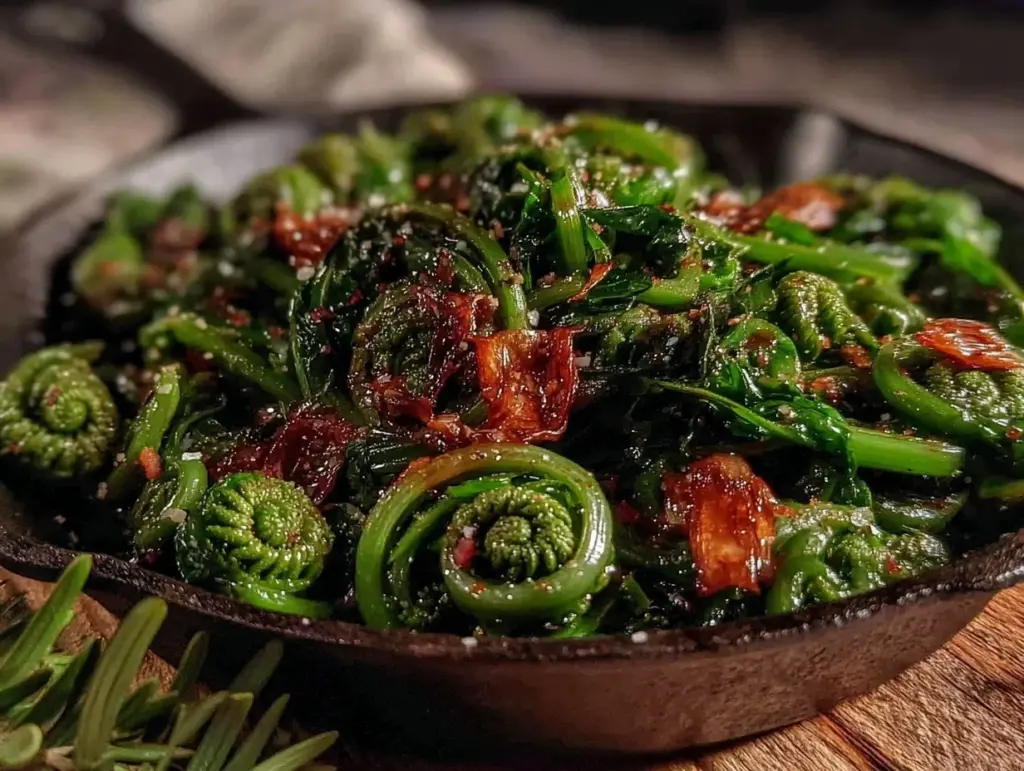
The fresh, bright snap of fiddlehead ferns sizzling in a hot pan with a touch of garlic and butter is something that instantly makes me feel like spring has arrived. Honestly, the first time I sautéed fiddleheads, I was hooked—not just by their unique, slightly nutty flavor, but by how quickly they came together for a crisp, vibrant side dish. For years, I’ve been chasing that perfect fiddlehead sauté recipe, and this one strikes the balance between simplicity and flavor like no other. It’s crisp, fresh, and just a little bit addicting.
Fiddlehead ferns only show up for a short window in the spring, so I make sure to grab them when I can. As a longtime home cook and someone who’s always hunting for seasonal gems, I’ve tested this recipe multiple times, tweaking the timing and seasoning to bring out the best in these wild little greens without losing their delicate crunch. If you’ve never cooked fiddleheads before, don’t worry—you’re in good hands here. This crisp easy fiddlehead fern sauté is approachable, quick, and perfect for anyone who loves fresh, local food with a bit of a punch.
Whether you’re looking to impress guests with something seasonal or just want a fast, flavorful veggie side, this recipe fits the bill. It’s great for busy weeknights, spring brunches, or as a lively addition to your dinner table. Plus, fiddleheads are packed with nutrients, making this not only tasty but a smart choice for your health. So, let’s get cooking and bring a little spring magic to your plate with this crisp easy fiddlehead fern sauté recipe.
Why You’ll Love This Recipe
After cooking fiddleheads dozens of times, I can honestly say this recipe nails what makes them so special. Here’s why this crisp easy fiddlehead fern sauté deserves a spot in your spring cooking rotation:
- Quick & Easy: From start to finish, it takes about 15 minutes tops. Perfect for those nights when you want fresh without fuss.
- Simple Ingredients: No need for fancy spices or hard-to-find items. Just fiddleheads, garlic, butter, a splash of lemon, and salt to taste.
- Seasonal Delight: Fiddleheads only come around for a short time—this recipe captures their fleeting freshness beautifully.
- Crisp & Flavorful: The sauté keeps the fiddleheads just tender enough but still crisp, with a lovely garlicky, buttery finish.
- Versatile Side: It pairs well with everything from grilled chicken to roasted salmon or even a spring pasta.
This isn’t just a quick veggie side; it’s a celebration of fiddleheads’ unique texture and flavor. I’ve found that gently boiling them before sautéing helps keep that crisp bite without any bitterness. The lemon juice at the end lifts the whole dish, making each bite bright and fresh. Honestly, it’s the kind of recipe that makes you want to close your eyes and savor every forkful.
What Ingredients You Will Need
This crisp easy fiddlehead fern sauté uses a handful of simple, fresh ingredients to bring out the best in these springtime treasures. Most are pantry staples, so it’s all about the fiddleheads themselves.
- Fresh fiddlehead ferns (about 1 pound / 450 grams) – Look for firm, tightly coiled, small fiddleheads. Avoid any that look slimy or brown.
- Garlic cloves (3 large, minced) – Adds a punchy aroma and flavor that complements the fiddleheads perfectly.
- Unsalted butter (2 tablespoons / 28 grams) – Gives a rich base; you can swap half for olive oil if preferred.
- Extra virgin olive oil (1 tablespoon / 15 ml) – Helps with sautéing and adds a subtle fruity note.
- Fresh lemon juice (1 tablespoon / 15 ml) – Brightens the dish and cuts through the richness.
- Sea salt (to taste) – Enhances all the natural flavors.
- Freshly ground black pepper (to taste) – Adds a gentle heat and depth.
- Optional: Red pepper flakes (a pinch) – For a mild kick if you like a bit of spice.
For the best results, I recommend sourcing fiddleheads from a trusted local market or forager, especially since they’re seasonal and delicate. Before cooking, they require a good rinse and a brief boil to remove any grit and bitterness. If you prefer, wild ramps or asparagus can make nice substitutes, but nothing quite matches the fiddlehead fern’s unique texture and flavor.
Equipment Needed
- Large skillet or sauté pan: A heavy-bottomed pan works best to distribute heat evenly and get that nice crisp on the fiddleheads.
- Colander or fine mesh strainer: Essential for rinsing and draining the fiddleheads after boiling.
- Large pot: Needed to boil the fiddleheads briefly before sautéing.
- Sharp chef’s knife: For trimming the fiddleheads and mincing the garlic.
- Tongs or slotted spoon: Handy for transferring fiddleheads from boiling water to the pan without losing any precious butter.
If you don’t have a heavy skillet, a cast-iron pan or stainless steel will do just fine. I’ve even used a good non-stick pan for this recipe, and it turns out well. When it comes to boiling the fiddleheads, make sure your pot is large enough to submerge them fully so they cook evenly. For budget-friendly options, you can find affordable stainless steel skillets and mesh strainers at most kitchen supply stores.
Detailed Preparation Method
- Prepare the fiddleheads: Rinse 1 pound (450 grams) of fresh fiddlehead ferns thoroughly under cold running water to remove all dirt and grit. Trim off any brown ends or fuzzy bits with a sharp knife.
- Parboil the fiddleheads: Bring a large pot of salted water to a rolling boil. Add the fiddleheads and boil for 2-3 minutes. This step helps remove bitterness and any potential toxins. Drain immediately in a colander and rinse with cold water to stop cooking. Set aside.
- Heat the pan: Place a large skillet over medium heat. Add 2 tablespoons (28 grams) unsalted butter and 1 tablespoon (15 ml) extra virgin olive oil. Let the butter melt completely without browning.
- Sauté garlic: Add 3 large minced garlic cloves to the pan. Stir constantly for about 30 seconds to 1 minute until fragrant but not browned—burnt garlic will taste bitter.
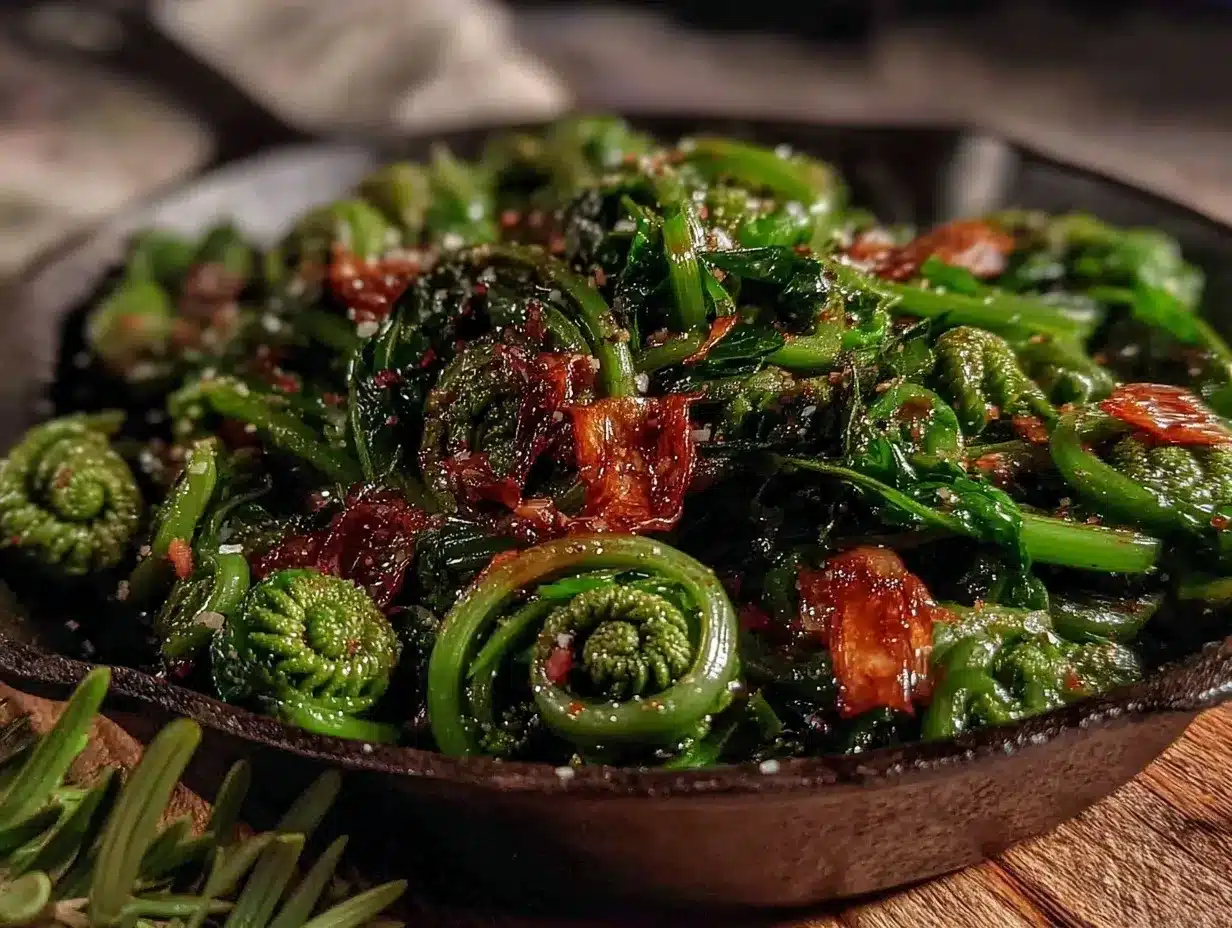
- Add fiddleheads: Toss the parboiled fiddleheads into the pan with the garlic butter. Increase heat slightly to medium-high. Sauté for 5-7 minutes, stirring occasionally. You’re aiming for the fiddleheads to develop a slight crispness but remain tender inside.
- Season: Sprinkle in sea salt and freshly ground black pepper to taste. Add a pinch of red pepper flakes if you like some heat. Stir well to combine all flavors.
- Finish with lemon: Remove the pan from heat and squeeze 1 tablespoon (15 ml) fresh lemon juice over the fiddleheads. Toss gently to coat. The lemon adds brightness and balances the richness of the butter.
- Serve immediately: Plate your crisp easy fiddlehead fern sauté and enjoy while hot for the best texture and flavor.
Keep an eye during sautéing—fiddleheads can go from perfectly crisp to mushy if overcooked. If you notice they’re softening too much, remove them from heat right away. The garlic should be golden but not burnt, so watch it closely. This recipe’s magic is all in timing and fresh ingredients.
Cooking Tips & Techniques
When working with fiddleheads, there are definitely some tricks I’ve picked up the hard way. First off, don’t skip the parboiling step. Fiddleheads can carry a slight bitterness and sometimes a mild toxin that boiling neutralizes. Two to three minutes is just right—any longer, and you risk losing that wonderful snap.
Use medium to medium-high heat for sautéing. Too low, and the fiddleheads steam instead of crisp; too high, and you’ll burn the garlic or the butter. I often start with medium heat to melt the butter and cook the garlic, then bump it up once the fiddleheads hit the pan.
Keep stirring fairly often but gently—this helps them cook evenly and get that light caramelization on the edges. Also, don’t overcrowd the pan. If your skillet is too small, cook in batches to avoid steaming.
Fresh lemon juice at the end is a game changer. It brightens the whole dish and makes the flavors pop. If you forget it, you’ll notice something is missing—trust me on this one.
Variations & Adaptations
While I love this recipe classic style, fiddlehead fern sauté offers plenty of room for creativity. Here are a few ideas I’ve tried or recommend:
- Garlic and herb: Add a tablespoon of fresh chopped parsley or tarragon right at the end for a fresh herbal note.
- Spicy kick: Toss in a pinch of cayenne pepper or a few slices of fresh chili for some heat.
- Vegan style: Swap butter for coconut oil or vegan margarine and use nutritional yeast instead of cheese for a cheesy flavor.
- With nuts: Toasted pine nuts or slivered almonds sprinkled on top add texture and nuttiness.
- Alternate cooking methods: Try roasting fiddleheads with olive oil and garlic at 400°F (200°C) for about 10-12 minutes for a different texture.
Once, on a whim, I added a splash of soy sauce and sesame oil for an Asian twist—it was surprisingly good! Feel free to adjust based on what’s in your pantry and your taste preferences.
Serving & Storage Suggestions
This crisp easy fiddlehead fern sauté is best served hot and fresh. The vibrant green color and crisp texture don’t keep as well once cooled, so aim to enjoy it right away. It makes a fantastic springtime side for grilled meats, roasted fish, or even atop toasted sourdough with a sprinkle of parmesan for a light lunch.
If you have leftovers, store them in an airtight container in the refrigerator for up to 2 days. The texture softens in the fridge, so gently reheat in a skillet over low heat to revive some crispness. Avoid the microwave if you can—it tends to make fiddleheads rubbery.
Flavors tend to mellow and blend a bit in storage, so if reheating, you can freshen it up with a squeeze of lemon juice or a dusting of fresh herbs. This dish also freezes poorly, so best to enjoy fresh or refrigerated.
Nutritional Information & Benefits
Fiddleheads are a nutrient-dense wild green offering a good dose of vitamins A and C, iron, and antioxidants. This sauté is low in calories yet rich in flavor, making it a smart addition to any meal plan. The garlic and olive oil add heart-healthy compounds, while the butter provides a satisfying richness—balance is key!
For those watching carbs, fiddleheads are naturally low-carb and gluten-free, making this recipe suitable for paleo and keto diets. Just be mindful of the butter if you’re dairy-sensitive and swap for a plant-based fat as needed.
Personally, I enjoy this dish as a fresh spring treat that feels indulgent but nourishes at the same time. It’s a reminder that eating seasonally can be both delicious and good for you.
Conclusion
This crisp easy fiddlehead fern sauté recipe is exactly the kind of simple, flavorful dish I reach for when spring rolls around. It’s quick, fuss-free, and highlights fiddleheads in their best light—bright, crisp, and full of fresh flavor. I love how it brings a little excitement to the dinner table without demanding hours in the kitchen.
Feel free to tweak the seasoning, add your favorite herbs, or switch up the fats to suit your taste. The key is to cook the fiddleheads just right so they stay crisp and vibrant. I hope you enjoy making this recipe as much as I do—it’s a little spring treasure that never fails to impress.
If you try it, please drop a comment below and share your variations or tips. I’m always curious how others put their spin on fiddleheads!
Frequently Asked Questions
What are fiddlehead ferns and where can I find them?
Fiddlehead ferns are the curled young shoots of certain fern species, harvested early in spring before they unfurl. You can find them at farmers’ markets, specialty grocery stores, or through local foragers during their short season.
Do fiddleheads need to be cooked before eating?
Yes, fiddleheads should always be boiled or steamed before eating to remove any bitterness and potential toxins. Raw fiddleheads can cause stomach upset, so parboiling for 2-3 minutes is essential.
Can I freeze fiddleheads?
Fresh fiddleheads don’t freeze well raw but can be blanched and frozen. However, the texture may degrade. It’s best to enjoy them fresh or refrigerated for a day or two after cooking.
What if I can’t find fiddlehead ferns?
If fiddleheads aren’t available, you can substitute with asparagus, ramps, or even broccoli rabe for a similar flavor and texture in this sauté recipe.
How do I know when the sautéed fiddleheads are done?
They should be tender but still have a slight snap when bitten. The edges might crisp lightly, but they shouldn’t be mushy or overly soft. Usually, 5-7 minutes sautéing after boiling is perfect.
Pin This Recipe!

Crisp Easy Fiddlehead Fern Sauté Recipe Perfect for Spring Meals

A quick and flavorful sauté of fresh fiddlehead ferns with garlic, butter, and lemon, perfect for a crisp and vibrant spring side dish.
- Prep Time: 10 minutes
- Cook Time: 7 minutes
- Total Time: 17 minutes
- Yield: 4 servings 1x
- Category: Side Dish
- Cuisine: American
Ingredients
- 1 pound (450 grams) fresh fiddlehead ferns, rinsed and trimmed
- 3 large garlic cloves, minced
- 2 tablespoons (28 grams) unsalted butter
- 1 tablespoon (15 ml) extra virgin olive oil
- 1 tablespoon (15 ml) fresh lemon juice
- Sea salt, to taste
- Freshly ground black pepper, to taste
- Optional: pinch of red pepper flakes
Instructions
- Rinse 1 pound (450 grams) of fresh fiddlehead ferns thoroughly under cold running water to remove all dirt and grit. Trim off any brown ends or fuzzy bits with a sharp knife.
- Bring a large pot of salted water to a rolling boil. Add the fiddleheads and boil for 2-3 minutes to remove bitterness and potential toxins. Drain immediately in a colander and rinse with cold water to stop cooking. Set aside.
- Place a large skillet over medium heat. Add 2 tablespoons (28 grams) unsalted butter and 1 tablespoon (15 ml) extra virgin olive oil. Let the butter melt completely without browning.
- Add 3 large minced garlic cloves to the pan. Stir constantly for about 30 seconds to 1 minute until fragrant but not browned.
- Toss the parboiled fiddleheads into the pan with the garlic butter. Increase heat slightly to medium-high. Sauté for 5-7 minutes, stirring occasionally, until fiddleheads develop slight crispness but remain tender inside.
- Season with sea salt and freshly ground black pepper to taste. Add a pinch of red pepper flakes if desired. Stir well to combine.
- Remove the pan from heat and squeeze 1 tablespoon (15 ml) fresh lemon juice over the fiddleheads. Toss gently to coat.
- Serve immediately while hot for best texture and flavor.
Notes
Do not skip parboiling fiddleheads to remove bitterness and toxins. Avoid overcooking to maintain crisp texture. Fresh lemon juice added at the end brightens the dish. Reheat leftovers gently in a skillet to preserve texture; avoid microwave.
Nutrition
- Serving Size: Approximately 1/2 cu
- Calories: 90
- Sugar: 0.5
- Sodium: 150
- Fat: 8
- Saturated Fat: 4.5
- Carbohydrates: 3
- Fiber: 2
- Protein: 1
Keywords: fiddlehead ferns, sauté, spring recipe, easy side dish, garlic butter, seasonal vegetables