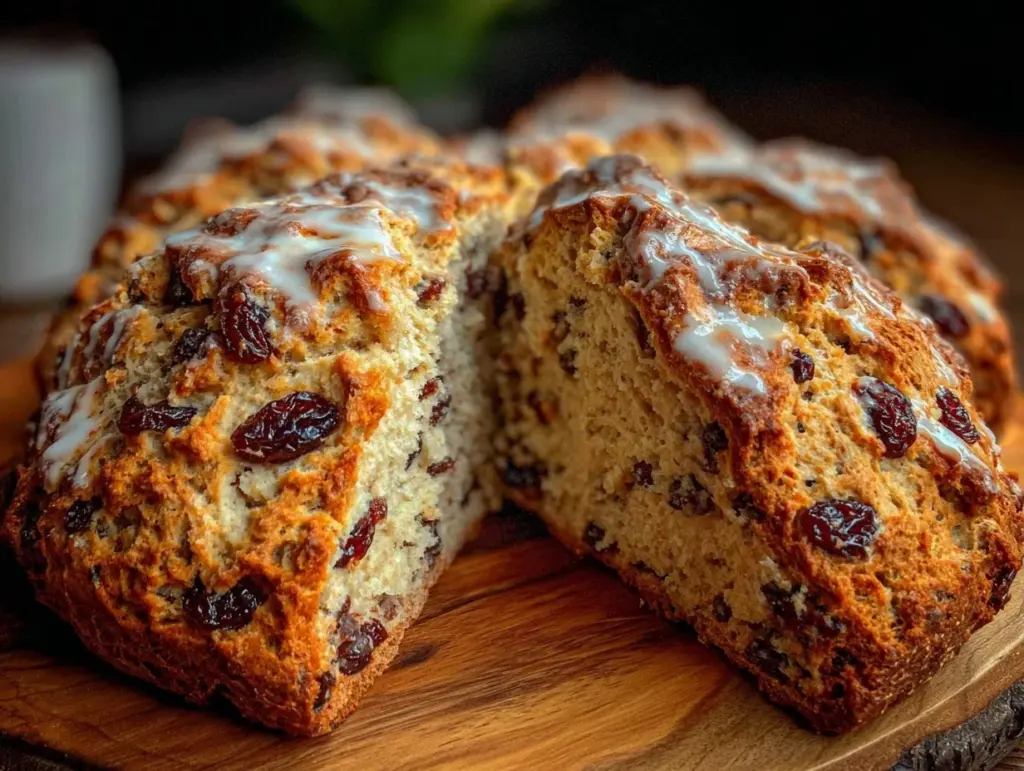
The smell of warm Irish soda bread fresh from the oven, with those sweet bursts of raisins, instantly takes me back to cozy kitchen mornings in my grandmother’s home. I first baked this classic Irish soda bread with raisins when I was craving something comforting but quick to whip up — no yeast, no waiting around. Honestly, it quickly became one of my go-to recipes for weekend breakfasts and impromptu tea times. This recipe’s simplicity and old-fashioned charm make it a staple in my baking repertoire.
Irish soda bread has a long history, dating back to the 1800s when baking soda was a novel leavening agent in Ireland. Unlike yeast breads, it relies on a simple chemical reaction between baking soda and buttermilk to rise, which means you can have a fresh loaf ready in under an hour. Adding raisins gives it a sweet twist that’s just right, balancing the hearty, rustic crumb with little pockets of chewy goodness.
What makes this classic Irish soda bread with raisins truly special to me is how approachable it is yet so full of character. It’s perfect for busy families, last-minute guests, or anyone who loves a slice of homemade comfort with their morning coffee. After testing this recipe multiple times, tweaking the flour ratio and baking time, I’m confident it’s a reliable crowd-pleaser that you’ll want to bake again and again.
Why You’ll Love This Classic Irish Soda Bread with Raisins Recipe
I’ve baked Irish soda bread with raisins more times than I can count, and here’s why this version stands out:
- Quick & Easy: Ready in under 45 minutes — no yeast, no proofing, just mix and bake.
- Simple Ingredients: Uses pantry staples you probably already have — flour, baking soda, buttermilk, raisins.
- Perfect for Any Occasion: Whether it’s a cozy breakfast, a St. Patrick’s Day celebration, or a casual snack, this bread fits right in.
- Crowd-Pleaser: Kids and adults alike love the sweet surprise of raisins in every bite.
- Unbelievably Delicious: The crust bakes up beautifully crisp, while the inside stays moist and tender.
What sets this recipe apart is the balance it strikes between tradition and ease. I blend the raisins gently into the dough so they don’t sink, and I use a mix of white and whole wheat flour for a bit more depth without heaviness. The baking soda reacts perfectly with tangy buttermilk to give it that classic rise and texture. Honestly, it’s the kind of bread that makes you close your eyes after the first bite and say, “Yep, this is comfort food done right.”
What Ingredients You Will Need
This classic Irish soda bread with raisins recipe calls for simple, wholesome ingredients that come together to create that familiar, satisfying flavor and texture. Most are pantry staples, so no special trips needed!
- All-purpose flour: 3 cups (360g) – provides structure; I prefer King Arthur brand for consistent results.
- Whole wheat flour: 1 cup (120g) – adds a hearty, nutty flavor and wholesome texture.
- Baking soda: 1 teaspoon – the leavening agent that reacts with buttermilk for rise.
- Salt: 1 teaspoon – balances flavors.
- Buttermilk: 1 ¾ cups (420ml), preferably full-fat – the acid activates the baking soda and adds moisture and tang.
- Raisins: ¾ cup (110g) – plump and sweet, they add delightful bursts of flavor throughout.
- Granulated sugar: 2 tablespoons (optional) – just a touch for subtle sweetness.
- Unsalted butter: 2 tablespoons (28g), melted – adds richness and tenderness.
Ingredient tips: For best texture, look for firm, plump raisins (Thompson Seedless works well). If you don’t have buttermilk, you can make a substitute by adding 1 tablespoon lemon juice or white vinegar to 1 ¾ cups milk and letting it sit for 10 minutes. Also, if you prefer a gluten-free version, swapping the flour for a gluten-free blend is possible, but results may vary.
Equipment Needed
- Large mixing bowl: For combining dry and wet ingredients — a sturdy glass or metal bowl works best.
- Measuring cups and spoons: Accurate measurements are key for soda bread’s rise and texture.
- Wooden spoon or silicone spatula: For gentle mixing without overworking the dough.
- Baking sheet: A rimmed baking sheet or stone provides even heat and crisp crust.
- Parchment paper or silicone baking mat: Prevents sticking and makes cleanup easier.
- Cooling rack: To cool the bread evenly, preventing sogginess.
If you don’t have a cooling rack, placing the bread on a clean kitchen towel works in a pinch. For measuring, I recommend investing in a good set of stainless steel measuring cups — they last forever and give you consistent results every time.
Detailed Preparation Method
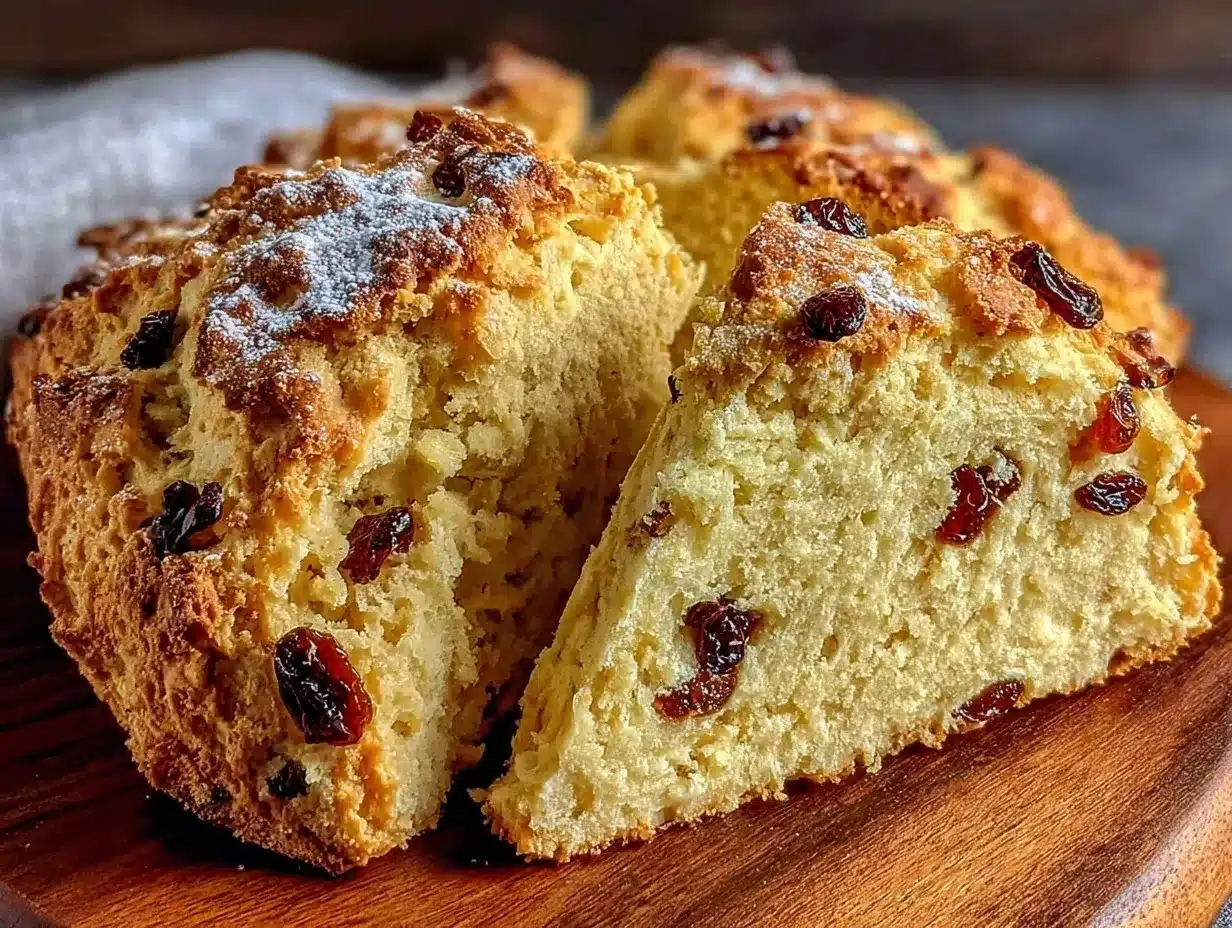
- Preheat your oven to 425°F (220°C). Line your baking sheet with parchment paper — this helps prevent sticking and allows for easy cleanup. Preheating ensures a hot oven that helps develop a crusty exterior.
- Mix dry ingredients: In the large bowl, whisk together 3 cups (360g) all-purpose flour, 1 cup (120g) whole wheat flour, 1 teaspoon baking soda, 1 teaspoon salt, and 2 tablespoons sugar if using. This evenly distributes the leavening and salt throughout the flour. If you skip this step, your rise might be uneven.
- Add raisins: Stir in ¾ cup (110g) raisins so they’re well coated with flour. This prevents them from sinking to the bottom when baking.
- Combine wet ingredients: In a separate bowl or measuring cup, whisk 1 ¾ cups (420ml) buttermilk with 2 tablespoons (28g) melted butter.
- Make the dough: Pour the wet ingredients into the dry mixture. Using a wooden spoon or spatula, gently stir until just combined. The dough will be sticky and shaggy — don’t overmix or it’ll get tough. If it feels too dry, splash in a little extra buttermilk, tablespoon by tablespoon.
- Shape the loaf: Turn the sticky dough out onto a lightly floured surface. With floured hands, pat it into a round about 8 inches (20cm) in diameter and 2 inches (5cm) thick. Avoid kneading like regular bread; just shape gently.
- Score the bread: Using a sharp knife, cut a deep cross (about 1/2 inch or 1.3cm) across the top. This traditional step helps the bread bake evenly and release steam.
- Bake: Transfer the loaf to your prepared baking sheet. Bake for 35-40 minutes, or until the crust is golden brown and a toothpick inserted in the center comes out clean. If the bread browns too quickly, tent loosely with foil.
- Cool properly: Remove from the oven and place the bread on a cooling rack for at least 30 minutes before slicing. This resting time lets the crumb set and prevents it from being gummy inside.
Tip: You’ll know it’s done when you tap the bottom of the loaf and it sounds hollow — that’s a classic test I learned from my Irish granny.
Cooking Tips & Techniques
Making classic Irish soda bread with raisins is pretty straightforward, but a few tricks make all the difference:
- Don’t overmix: The dough should come together but remain a bit rough and sticky. Overworking develops gluten and makes the bread dense.
- Flour your hands and surface: This helps shape the dough without adding too much extra flour, which could dry the bread out.
- Use fresh baking soda: It’s the key to that rise. If it’s old, your bread won’t puff up properly.
- Score the loaf deeply: The classic cross isn’t just for show — it helps heat penetrate and the bread expand evenly.
- Baking temperature matters: Starting hot (425°F/220°C) creates a crisp crust, but if your bread browns too fast, tent with foil to avoid burning.
- Rest before slicing: It’s tempting to cut right away, but waiting lets the crumb finish cooking and improves texture.
Early on, I made the mistake of kneading this dough like typical yeast bread, which yielded a tough loaf. Now, I keep it gentle and minimal — that’s the secret to tender soda bread.
Variations & Adaptations
This classic Irish soda bread with raisins is wonderfully flexible. Here are some ways I’ve personalized it over time:
- Gluten-Free: Swap the flours for a 1:1 gluten-free baking blend. Add 1 teaspoon xanthan gum if your blend doesn’t include it for better structure.
- Seeded Version: Add 2 tablespoons mixed seeds (pumpkin, sunflower, flax) to the dry ingredients for crunch and nutrition.
- Fruit Swap: Substitute raisins with dried cranberries or chopped dried apricots for a different fruity note.
- Whole Milk Yogurt: Replace buttermilk with plain whole milk yogurt thinned with a bit of water if you don’t have buttermilk.
- Cheese and Herb: Omit the sugar and raisins, add ½ cup shredded sharp cheddar and 2 tablespoons chopped fresh chives for a savory twist.
One of my favorite variations is adding orange zest to the dough for a subtle citrus aroma — it pairs beautifully with the raisins and adds a fresh lift.
Serving & Storage Suggestions
This Irish soda bread tastes best warm, just out of the oven, with a slather of butter melting into the crumb. I love serving it alongside a hearty bowl of soup or a creamy Irish stew for a comforting meal. It also pairs perfectly with strong tea or a robust cup of coffee.
To store, wrap the cooled bread tightly in plastic wrap or foil. It keeps well at room temperature for 2 days. For longer storage, slice and freeze it in a sealed bag for up to 3 months. Toast slices straight from the freezer for a quick breakfast or snack.
Reheating in a low oven (around 300°F/150°C) for 10 minutes refreshes the crust nicely. Over time, the flavors meld and deepen, making leftover soda bread even tastier the next day.
Nutritional Information & Benefits
One slice (about 1/12th of the loaf) of this classic Irish soda bread with raisins contains approximately:
| Nutrient | Amount per slice |
|---|---|
| Calories | 150 kcal |
| Carbohydrates | 30 g |
| Protein | 4 g |
| Fat | 3 g |
| Fiber | 2 g |
The use of whole wheat flour adds beneficial fiber and nutrients, while the raisins provide natural sweetness and antioxidants. Buttermilk contributes calcium and probiotics, making this bread a wholesome choice for breakfast or snacks. It’s naturally free of yeast and can be made dairy-free with simple swaps, fitting a variety of dietary needs.
Conclusion
If you’re after a bread that’s quick, comforting, and packed with old-world charm, this classic Irish soda bread with raisins is a must-try. It’s simple enough for weeknight baking but special enough to impress friends and family. I love how it brings a little slice of Ireland into my kitchen — warm, hearty, and bursting with sweet raisins.
Go ahead and make it your own by swapping in your favorite dried fruits or herbs. Then come back and tell me how it turned out! There’s nothing better than sharing baking stories and tips — so drop a comment below, share your variations, or ask any questions. Happy baking!
FAQs About Classic Irish Soda Bread with Raisins
Can I use regular milk instead of buttermilk?
Yes! To mimic buttermilk, add 1 tablespoon of lemon juice or white vinegar to 1 ¾ cups of milk and let it sit for 10 minutes before using.
Why does soda bread need to be scored on top?
The cross cut helps the steam escape during baking and allows the bread to expand evenly, preventing cracks.
Can I freeze Irish soda bread?
Absolutely! Slice it first and store in an airtight bag. Toast slices directly from the freezer for best results.
What’s the best way to keep soda bread moist?
Wrap it tightly after cooling and store at room temperature. Avoid refrigeration, which can dry it out faster.
Can I substitute raisins with other dried fruits?
Yes, dried cranberries, chopped apricots, or currants work wonderfully as alternatives.
Pin This Recipe!

Classic Irish Soda Bread with Raisins
A quick and easy traditional Irish soda bread with sweet bursts of raisins, perfect for cozy breakfasts or tea times. This recipe uses simple pantry staples and requires no yeast or proofing.
- Prep Time: 15 minutes
- Cook Time: 35-40 minutes
- Total Time: 50-55 minutes
- Yield: 12 servings 1x
- Category: Bread
- Cuisine: Irish
Ingredients
- 3 cups (360g) all-purpose flour
- 1 cup (120g) whole wheat flour
- 1 teaspoon baking soda
- 1 teaspoon salt
- 1 3/4 cups (420ml) buttermilk, preferably full-fat
- 3/4 cup (110g) raisins
- 2 tablespoons granulated sugar (optional)
- 2 tablespoons (28g) unsalted butter, melted
Instructions
- Preheat your oven to 425°F (220°C). Line your baking sheet with parchment paper.
- In a large bowl, whisk together all-purpose flour, whole wheat flour, baking soda, salt, and sugar if using.
- Stir in the raisins so they are well coated with flour.
- In a separate bowl or measuring cup, whisk together buttermilk and melted butter.
- Pour the wet ingredients into the dry mixture. Gently stir with a wooden spoon or spatula until just combined. The dough will be sticky and shaggy.
- Turn the dough out onto a lightly floured surface. Pat into a round about 8 inches (20cm) in diameter and 2 inches (5cm) thick.
- Using a sharp knife, cut a deep cross about 1/2 inch (1.3cm) across the top of the loaf.
- Transfer the loaf to the prepared baking sheet. Bake for 35-40 minutes until the crust is golden brown and a toothpick inserted in the center comes out clean. Tent with foil if browning too quickly.
- Remove from oven and cool on a rack for at least 30 minutes before slicing.
Notes
Do not overmix the dough to avoid toughness. Flour your hands and surface lightly when shaping. Use fresh baking soda for best rise. Score the loaf deeply to help it bake evenly. Let the bread cool completely before slicing to prevent gumminess. For a dairy-free version, substitute buttermilk with a mixture of milk and lemon juice or vinegar.
Nutrition
- Serving Size: 1 slice (1/12th of t
- Calories: 150
- Fat: 3
- Carbohydrates: 30
- Fiber: 2
- Protein: 4
Keywords: Irish soda bread, soda bread with raisins, quick bread, traditional Irish bread, no yeast bread, easy bread recipe